
 EN
EN
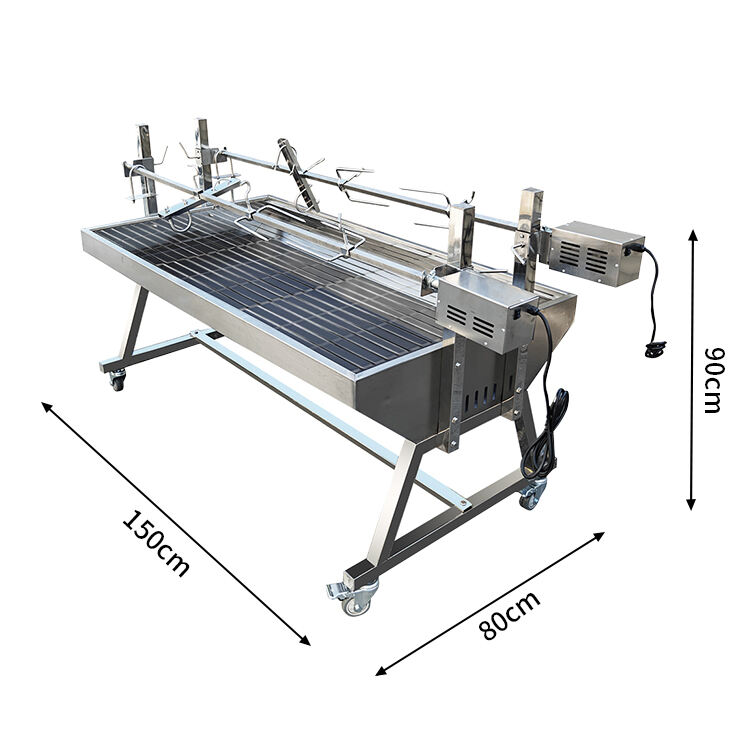
Selecting the right barbecue grills can transform your outdoor cooking experience from ordinary to extraordinary. Whether you're hosting weekend gatherings or simply enjoying a quiet family dinner under the stars, the perfect grill becomes the centerpiece of memorable meals. Modern grilling enthusiasts face an overwhelming array of options, from traditional charcoal models to sophisticated gas-powered units and innovative electric alternatives. Understanding the key factors that separate exceptional grills from mediocre ones will help you make an informed decision that enhances your culinary adventures for years to come.
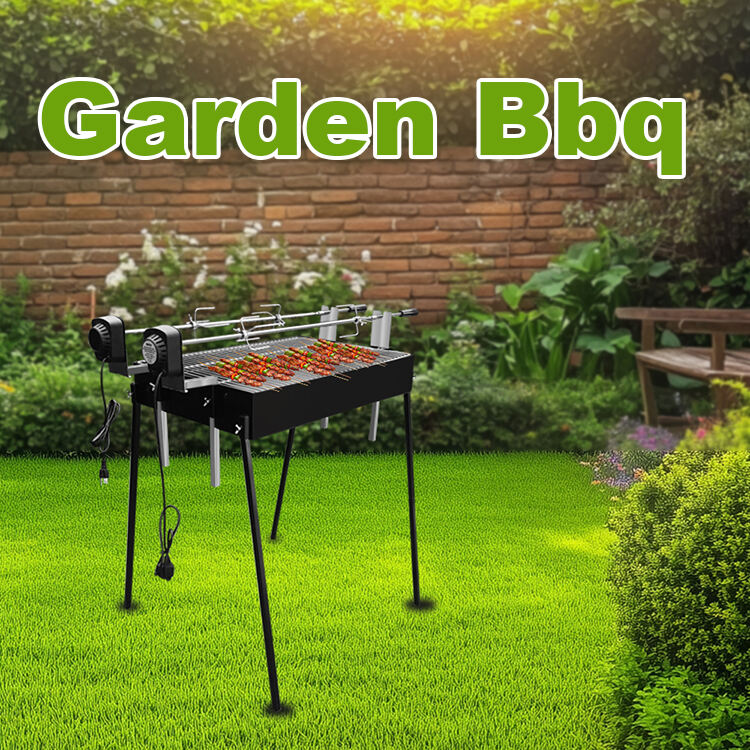
Understanding Different Types of Grilling Systems
Gas-Powered Grilling Solutions
Gas barbecue grills offer unparalleled convenience and precise temperature control for outdoor cooking enthusiasts. These systems utilize propane or natural gas as fuel sources, providing instant ignition and consistent heat distribution across the cooking surface. Professional-grade gas grills feature multiple burner zones, allowing simultaneous cooking of different foods at varying temperatures. The ability to adjust flame intensity with simple knob controls makes gas units ideal for beginners and experienced grillers alike.
Modern gas grilling systems incorporate advanced features such as infrared burners, rotisserie attachments, and built-in thermometers. These enhancements expand cooking versatility beyond traditional grilling methods, enabling techniques like slow roasting and indirect cooking. Maintenance requirements for gas barbecue grills remain minimal, with easy-to-clean drip pans and removable cooking grates simplifying post-cooking cleanup.
Charcoal Grilling Traditions
Charcoal barbecue grills deliver authentic smoky flavors that gas alternatives cannot replicate, making them favorites among purist grilling enthusiasts. The high-heat capabilities of charcoal systems excel at searing meats, creating the coveted caramelized exterior that defines perfect barbecue. Traditional kettle-style charcoal grills offer excellent heat retention and circulation, while ceramic kamado-style units provide superior insulation for extended cooking sessions.
Temperature management in charcoal systems requires skill and experience, as heat levels depend on coal arrangement and airflow control. Offset smoker designs allow for true barbecue smoking, where foods cook slowly in aromatic smoke chambers. Despite longer setup times compared to gas units, charcoal barbecue grills reward patient cooks with distinctively rich flavors and satisfying cooking rituals.
Essential Features and Specifications
Cooking Surface Considerations
The cooking surface area directly impacts your grilling capacity and food preparation flexibility. Standard residential barbecue grills range from compact 300-square-inch surfaces suitable for small families to expansive 800-square-inch platforms capable of feeding large gatherings. Multi-level cooking grates maximize space utilization, allowing simultaneous preparation of appetizers, main courses, and vegetables at different heat zones.
Material composition of cooking surfaces significantly affects heat distribution and food release properties. Stainless steel grates resist corrosion and clean easily, while cast iron options retain heat exceptionally well and develop natural non-stick seasoning over time. Some premium barbecue grills feature porcelain-coated surfaces that combine durability with easy maintenance, providing optimal cooking performance for diverse menu requirements.
Heat Distribution and Control Systems
Effective heat distribution ensures even cooking results and prevents troublesome hot spots that can burn foods. Advanced barbecue grills incorporate flavorizer bars, heat tents, or ceramic briquettes that spread flames evenly across cooking surfaces. These systems also vaporize drippings, creating flavorful smoke that enhances food taste while reducing flare-ups that can char expensive cuts of meat.
Temperature control mechanisms vary significantly between grill types and price ranges. Premium gas models feature precise BTU ratings per burner, typically ranging from 10,000 to 15,000 BTUs for adequate heating power. Digital temperature displays and wireless monitoring systems allow remote oversight of cooking progress, particularly valuable for low-and-slow barbecue techniques requiring hours of consistent heat.
Construction Quality and Durability Factors
Material Selection and Longevity
High-quality barbecue grills utilize corrosion-resistant materials designed to withstand outdoor elements and frequent use. Stainless steel construction offers superior durability and maintains attractive appearance despite exposure to heat, moisture, and temperature fluctuations. The gauge thickness of steel components indicates structural integrity, with heavier materials providing better heat retention and longer service life.
Powder-coated finishes on barbecue grills provide additional protection against rust and weathering while offering attractive color options. Cast aluminum components combine lightweight portability with excellent heat distribution properties, making them popular choices for portable grilling solutions. Premium manufacturers often provide extended warranties reflecting confidence in their construction quality and material selection.
Assembly and Maintenance Requirements
Professional-grade barbecue grills feature modular designs that simplify initial assembly and future component replacement. Clear instruction manuals and pre-drilled mounting points reduce setup complexity, allowing weekend assembly by homeowners with basic tool skills. Thoughtful engineering includes accessible grease management systems and removable components that facilitate thorough cleaning and maintenance.
Regular maintenance practices extend grill lifespan and ensure consistent performance throughout years of outdoor cooking. Seasonal deep cleaning, burner inspection, and protective covers help preserve barbecue grills against environmental damage. Replacement part availability from manufacturers ensures long-term serviceability, making initial investment in quality units more economically justifiable over extended ownership periods.
Size and Portability Considerations
Space Planning and Installation
Proper space planning ensures barbecue grills integrate seamlessly into outdoor living areas while maintaining safety clearances from structures and vegetation. Standard patio installations require minimum three-foot clearances from walls and overhangs, with additional space for side tables and storage accessories. Built-in installations demand precise measurements and utility connections, particularly for natural gas lines and electrical accessories.
Compact barbecue grills serve apartment dwellers and small patio spaces without sacrificing cooking capability. These units often feature fold-down shelves and removable components that reduce storage footprint when not in use. Balcony-approved electric models comply with restrictive housing regulations while delivering satisfying grilling experiences in urban environments.
Mobile and Portable Options
Portable barbecue grills enable camping adventures, tailgating events, and beach cookouts with convenient transportation features. Lightweight designs incorporate sturdy wheels, folding legs, and secure latching systems that protect components during transport. Tabletop models provide cooking capability in minimal space, perfect for RV travel and small group gatherings.
Battery-powered ignition systems eliminate dependence on external electrical connections, while built-in fuel storage compartments keep propane tanks secure during transport. Some innovative portable units feature rapid setup mechanisms that deploy cooking surfaces within minutes, maximizing convenience for spontaneous outdoor cooking adventures.
Budget Planning and Value Assessment
Price Range Categories
Entry-level barbecue grills typically range from $200 to $500, offering basic functionality suitable for occasional use and small family cooking needs. These units provide adequate performance for standard grilling tasks while maintaining affordability for budget-conscious consumers. Mid-range options between $500 and $1,200 incorporate enhanced features like multiple cooking zones, better construction materials, and improved temperature control systems.
Premium barbecue grills exceeding $1,200 deliver professional-grade performance with advanced features like infrared heating, rotisserie systems, and smart connectivity options. These investments target serious cooking enthusiasts who frequently entertain large groups and demand restaurant-quality results. Luxury models can exceed $3,000, featuring custom designs, premium materials, and comprehensive warranty coverage.
Long-term Value Considerations
Quality barbecue grills justify higher initial costs through extended lifespan and superior performance over budget alternatives. Professional-grade units often operate reliably for decades with proper maintenance, while cheaper models may require replacement within five years. Fuel efficiency improvements in premium grills reduce operating costs, particularly for frequent users who benefit from optimized burner designs.
Resale value retention varies significantly between brands and construction quality levels. Well-maintained premium barbecue grills from respected manufacturers often retain substantial value, making upgrades more affordable through trade-in programs. Extended warranty coverage and parts availability further enhance long-term ownership value by protecting against unexpected repair costs.
Safety Features and Operational Considerations
Built-in Safety Systems
Modern barbecue grills incorporate multiple safety features designed to prevent accidents and protect users during outdoor cooking activities. Automatic shut-off valves detect gas leaks and interrupt fuel flow when abnormal conditions occur, preventing dangerous accumulations of combustible gases. Flame failure devices monitor burner operation and close gas valves if flames extinguish unexpectedly during cooking sessions.
Heat-resistant handles and control knobs protect users from burns during operation, while tempered glass viewing windows allow monitoring without opening cooking chambers. Grease fire suppression systems in premium barbecue grills automatically deploy flame retardants when excessive temperatures trigger safety sensors, minimizing property damage and personal injury risks.
Proper Operation and Maintenance
Safe operation of barbecue grills requires understanding proper startup procedures, temperature management, and shutdown protocols. Pre-cooking inspections should verify gas connections, burner cleanliness, and structural integrity before each use. Regular cleaning prevents grease accumulation that can cause dangerous flare-ups and extends equipment lifespan through proper maintenance practices.
Professional installation of permanent gas lines ensures code compliance and optimal performance while reducing safety risks associated with portable tank connections. Annual safety inspections by qualified technicians identify potential problems before they create hazardous conditions, particularly important for frequently used barbecue grills in commercial or heavy residential applications.
FAQ
What size barbecue grill do I need for my family
Family size directly influences the appropriate cooking surface area for barbecue grills, with general guidelines suggesting 100 square inches per person for adequate capacity. A family of four typically requires 400-500 square inches of primary cooking space, allowing simultaneous preparation of main courses and side dishes. Consider entertaining frequency when sizing grills, as occasional large gatherings may justify investing in larger units despite typical smaller family meals.
How often should I clean and maintain my barbecue grill
Regular maintenance schedules depend on usage frequency and environmental conditions, but monthly deep cleaning maintains optimal performance for frequently used barbecue grills. After each use, brush cooking grates while warm and empty grease collection systems to prevent accumulation. Seasonal maintenance should include thorough interior cleaning, burner inspection, and protective cover application during storage periods to extend equipment lifespan.
Are expensive barbecue grills worth the higher cost
Premium barbecue grills justify higher costs through superior construction materials, advanced features, and extended warranty coverage that reduces long-term ownership expenses. Quality differences become apparent in heat distribution, temperature control precision, and durability under frequent use conditions. However, budget-conscious consumers can achieve satisfactory results with mid-range options that balance performance with affordability for typical residential applications.
Can I use my barbecue grill year-round in cold climates
Year-round grilling remains feasible in cold climates with proper equipment selection and operational adjustments for winter conditions. Gas barbecue grills perform more reliably in cold weather than charcoal alternatives, though extended preheating times may be necessary for optimal cooking temperatures. Insulated grill covers and wind barriers help maintain consistent heat, while cold-weather accessories like thermal blankets improve efficiency during winter cooking sessions.