
 EN
EN
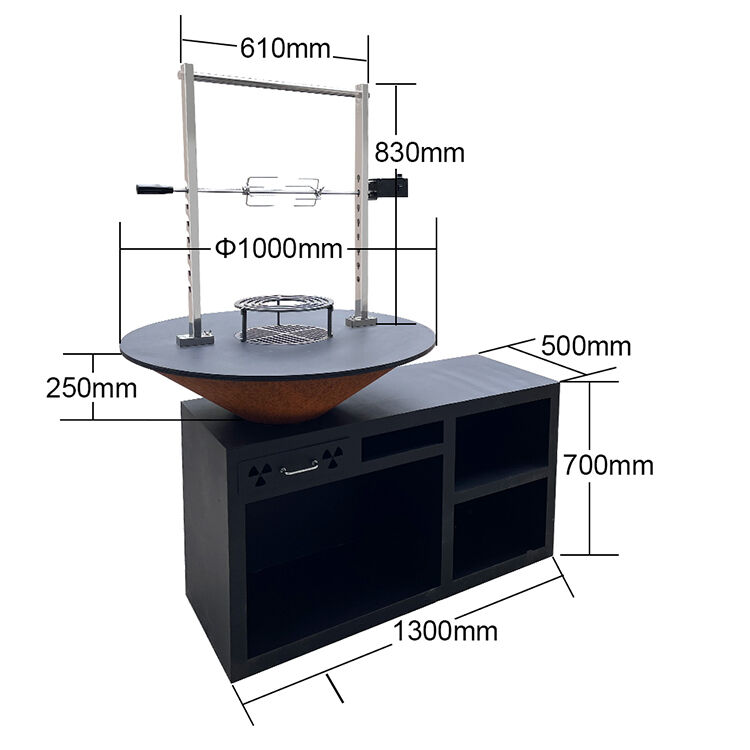
Creating the perfect outdoor entertainment space requires careful consideration of heating solutions that combine functionality with aesthetic appeal. An outdoor brazier serves as both a practical heat source and an elegant focal point that transforms any patio into a welcoming gathering place. Whether you're hosting intimate dinner parties or large family celebrations, the right outdoor brazier can extend your outdoor season well into cooler months while adding sophisticated charm to your exterior design.
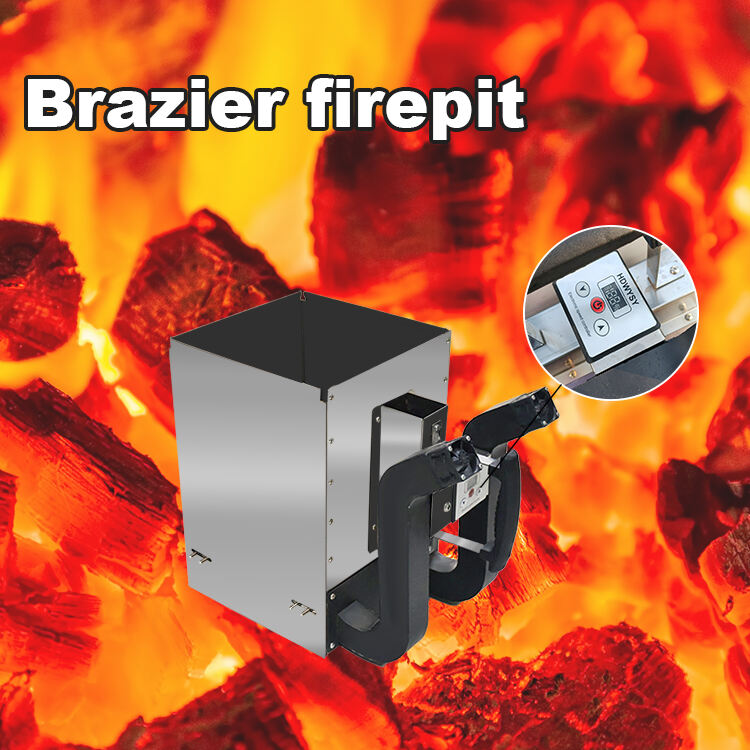
The selection process for an outdoor brazier involves evaluating multiple factors including size requirements, fuel type preferences, and integration with existing patio furniture. Modern homeowners increasingly recognize that an outdoor brazier represents more than just a heating appliance—it becomes the centerpiece around which memorable outdoor experiences unfold. Understanding the various options available helps ensure your investment delivers years of reliable performance and enjoyment.
Understanding Different Types of Outdoor Braziers
Traditional Wood-Burning Models
Wood-burning outdoor brazier designs remain the most popular choice among homeowners seeking authentic fire experiences. These traditional models provide the crackling sounds and aromatic wood smoke that create genuine campfire ambiance. The fuel cost remains relatively low, especially for those with access to seasoned hardwood, making wood-burning units economically attractive for regular use.
However, wood-burning outdoor brazier units require more maintenance and preparation compared to other fuel types. Users must store dry firewood, clean ash regularly, and ensure proper ventilation for safe operation. The heat output can be inconsistent depending on wood quality and burning technique, requiring some skill development for optimal performance.
Gas-Powered Convenience Options
Gas-powered outdoor brazier models offer instant ignition and precise temperature control through adjustable flame settings. These units connect to standard propane tanks or natural gas lines, eliminating the need for wood storage and ash cleanup. The consistent heat output makes gas models ideal for predictable entertaining schedules and weather-dependent events.
The installation process for gas outdoor brazier units often requires professional setup, particularly for natural gas connections. While operating costs may exceed wood-burning alternatives, the convenience factor and clean-burning characteristics make gas models appealing for urban environments with fire restrictions or air quality concerns.
Material Construction and Durability Factors
Steel and Iron Construction Benefits
Steel construction provides excellent durability for outdoor brazier applications while maintaining reasonable weight for portability. High-quality steel models feature powder coating or other protective finishes that resist rust and weather damage. The thermal conductivity of steel ensures efficient heat distribution, creating even warmth distribution around the entire unit perimeter.
Cast iron outdoor brazier models offer superior heat retention and classic aesthetic appeal reminiscent of traditional European designs. The material naturally develops protective patina over time, enhancing weather resistance while creating distinctive visual character. However, cast iron units typically weigh significantly more than steel alternatives, making relocation more challenging.
Copper and Bronze Premium Options
Copper outdoor brazier designs provide exceptional corrosion resistance and develop beautiful patina coloring through natural oxidation processes. The material conducts heat efficiently while maintaining structural integrity across wide temperature ranges. Premium copper models often feature handcrafted details that elevate overall patio aesthetics.
Bronze construction offers similar benefits to copper with enhanced durability for high-use applications. The material resists saltwater corrosion, making bronze outdoor brazier units ideal for coastal properties. While initial costs exceed steel alternatives, the longevity and minimal maintenance requirements often justify the premium investment for discerning homeowners.
Size and Placement Considerations
Measuring Your Available Space
Proper sizing ensures your outdoor brazier provides adequate heating coverage without overwhelming the available patio space. Measure the primary seating area to determine the optimal unit diameter and height specifications. Consider furniture arrangement and traffic flow patterns to identify the ideal placement location that maximizes both functionality and safety.
The heating radius of an outdoor brazier typically extends 6-10 feet from the unit center, depending on model specifications and wind conditions. Account for clearance requirements from structures, overhanging branches, and combustible materials when finalizing placement decisions. Most residential patios accommodate 24-36 inch diameter units effectively.
Safety Clearance Requirements
Building codes and manufacturer specifications dictate minimum clearance distances for safe outdoor brazier operation. Maintain at least 10 feet of clearance from structures, including house walls, deck railings, and outdoor furniture with fabric cushions. Overhead clearance should exceed 8 feet to prevent fire hazards from tree branches or roof overhangs.
Ground surface preparation involves creating a stable, non-combustible base using pavers, concrete, or specialized fire-resistant pads. Ensure adequate drainage around the outdoor brazier location to prevent water accumulation that could cause structural damage or safety hazards during operation.
Design Styles and Aesthetic Integration
Contemporary Minimalist Approaches
Modern outdoor brazier designs emphasize clean lines and geometric shapes that complement contemporary patio furniture and architectural styles. Stainless steel and powder-coated aluminum models feature sleek profiles that integrate seamlessly with modern outdoor living spaces. These designs often incorporate hidden gas connections and streamlined control mechanisms for uncluttered appearances.
Minimalist outdoor brazier models focus on functional efficiency while maintaining visual elegance through material quality and proportional balance. The understated aesthetic allows other patio elements to shine while providing reliable heating performance. Color options typically include neutral tones like black, white, and natural metal finishes.
Traditional and Rustic Styling
Traditional outdoor brazier designs draw inspiration from historical European and Mediterranean heating traditions. These models feature ornate metalwork, decorative legs, and classic bowl or urn shapes that evoke timeless elegance. Hand-forged details and aged finishes contribute authentic character that complements natural stone and wood patio elements.
Rustic styling incorporates weathered textures and earth-tone coloring that harmonizes with natural landscaping and casual outdoor furniture. These outdoor brazier models often feature wider, deeper bowls designed for larger wood logs and extended burning sessions. The robust construction suits properties with extensive outdoor entertainment requirements.
Fuel Type Selection and Efficiency
Wood Selection for Optimal Performance
Hardwood species like oak, hickory, and maple provide the longest burning times and highest heat output for wood-burning outdoor brazier applications. Seasoned wood with moisture content below 20 percent ignites easily and produces minimal smoke, creating pleasant burning experiences. Avoid softwood species like pine that create excessive sparking and rapid consumption rates.
Proper wood storage involves keeping seasoned logs in covered, ventilated areas that prevent moisture absorption while allowing air circulation. Pre-cut lengths should match your outdoor brazier dimensions to eliminate cutting requirements during entertaining events. Consider purchasing kiln-dried wood for consistent moisture content and reliable ignition characteristics.
Gas Efficiency and Control Options
Propane outdoor brazier models provide approximately 8-12 hours of operation per standard 20-pound tank, depending on heat settings and environmental conditions. Natural gas connections offer unlimited fuel supply but require professional installation and permanent mounting considerations. Both options deliver instant ignition and precise temperature control through adjustable valve systems.
Advanced gas outdoor brazier models incorporate electronic ignition systems and remote control capabilities for enhanced convenience. Some units feature multiple burner rings that allow zone heating control and flame pattern customization. Consider models with safety features like automatic shut-off valves and wind guards for reliable operation.
Maintenance and Seasonal Care
Regular Cleaning Procedures
Routine maintenance extends outdoor brazier lifespan while ensuring safe operation throughout multiple seasons. Remove ash and debris after each use, allowing the unit to cool completely before cleaning. Use mild soap solutions and soft brushes to clean metal surfaces without damaging protective finishes or decorative elements.
Inspect gas connections, burner assemblies, and ignition components monthly during active seasons. Look for signs of corrosion, loose fittings, or damaged components that could affect performance or safety. Replace worn parts promptly using manufacturer-approved components to maintain warranty coverage and operational reliability.
Winter Storage and Protection
Seasonal storage preparation involves thorough cleaning and moisture removal to prevent rust formation during winter months. Apply protective wax or oil treatments to exposed metal surfaces according to manufacturer recommendations. Store removable components like grates and spark screens in dry indoor locations.
Weather-resistant covers provide additional protection for outdoor brazier units left in place during off-seasons. Choose covers specifically designed for your model dimensions with secure tie-down systems that withstand wind loads. Ensure adequate ventilation to prevent condensation accumulation that could promote corrosion.
Budget Considerations and Value Assessment
Initial Investment Ranges
Entry-level outdoor brazier models typically range from $150-400, offering basic functionality with steel construction and simple designs. Mid-range options priced between $400-800 feature enhanced materials, decorative elements, and improved durability specifications. Premium models exceeding $800 incorporate high-end materials, custom features, and superior craftsmanship.
Factor installation costs for gas models, which may require professional setup ranging from $200-500 depending on complexity and local regulations. Consider ongoing fuel costs when comparing wood-burning versus gas outdoor brazier options. Wood costs vary by region and availability, while propane prices remain relatively stable nationwide.
Long-term Value Considerations
Quality outdoor brazier investments deliver 10-15 years of reliable service with proper maintenance and care. Calculate cost-per-use based on expected frequency and seasonal usage patterns to evaluate true value propositions. Consider resale value potential for premium models that maintain aesthetic and functional appeal over time.
Energy efficiency ratings help compare operating costs between different fuel types and model specifications. Look for outdoor brazier units with high thermal efficiency ratings that maximize heat output while minimizing fuel consumption. Warranty coverage provides additional value protection for significant investments.
FAQ
What size outdoor brazier works best for a small patio
For small patios measuring 8x10 feet or less, choose an outdoor brazier with a 24-30 inch diameter to provide adequate heating without overwhelming the space. Compact models offer sufficient warmth for 4-6 people while maintaining safe clearance distances from walls and furniture. Consider portable units that can be relocated for optimal positioning.
How often should I clean my outdoor brazier
Clean your outdoor brazier after every 3-4 uses during active seasons, removing ash and debris completely. Perform deep cleaning with soap and water monthly, inspecting all components for wear or damage. Annual professional servicing ensures gas connections and safety systems function properly for reliable operation.
Can I use an outdoor brazier on a wooden deck
Most outdoor brazier models require non-combustible surfaces like concrete, stone, or specialized fire-resistant pads for safe operation. Wooden decks need protective barriers and increased clearance distances according to local fire codes. Consult building officials before installation to ensure compliance with safety regulations.
What accessories enhance outdoor brazier functionality
Essential outdoor brazier accessories include protective covers, cooking grates, spark screens, and long-handled tools for safe operation. Consider wind guards for exposed locations and specialized log holders for wood-burning models. Fire-resistant furniture and lighting create complete outdoor entertainment environments around your heating centerpiece.