
 EN
EN

The Santa Maria BBQ tradition represents one of America's most authentic regional barbecue styles, originating from California's Central Coast in the mid-1800s. This distinctive cooking method combines simple seasonings, red oak wood, and elevated grilling techniques to create an unforgettable culinary experience. Understanding the fundamentals of Santa Maria barbecue opens doors to mastering a time-honored approach that emphasizes quality ingredients and traditional craftsmanship over complicated preparations.
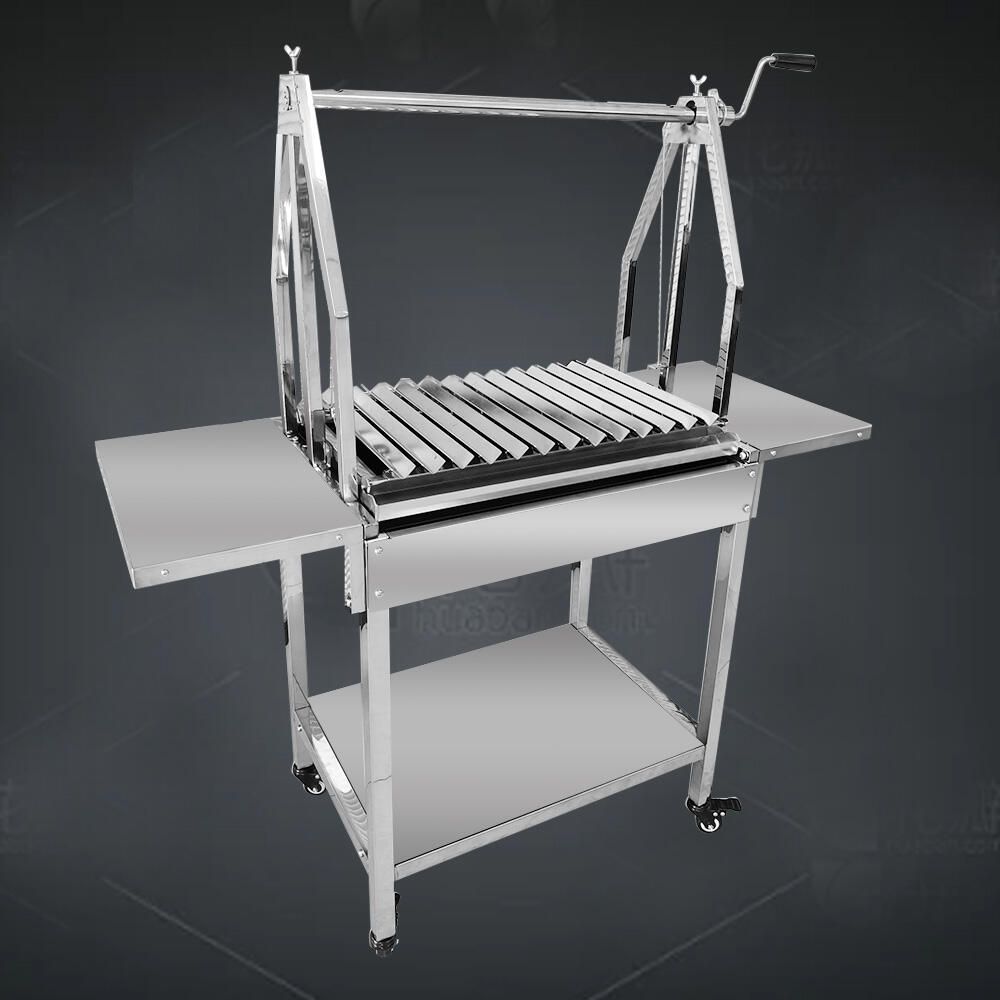
The authentic Santa Maria style demands specific equipment designed to handle the unique requirements of this cooking method. Traditional setups feature adjustable height mechanisms that allow pitmasters to control cooking temperatures by raising or lowering the grill grate relative to the fire. This precision becomes essential when working with the intense heat generated by red oak coals, which burn hotter and cleaner than most other hardwoods commonly used in barbecue.
Modern interpretations of this classic style have evolved to accommodate contemporary outdoor cooking enthusiasts while preserving the essential elements that define authentic Santa Maria barbecue. Today's equipment options range from portable units suitable for backyard gatherings to commercial-grade installations capable of feeding large crowds at events and restaurants.
Essential Equipment Components
Grill Grate Configuration
The heart of any effective Santa Maria setup lies in its grill grate system, which typically features heavy-duty steel construction designed to withstand extreme temperatures. Professional-grade grates often incorporate spacing patterns that allow proper airflow while preventing smaller food items from falling through. The thickness of these grates plays a crucial role in heat retention and distribution, with thicker materials providing more consistent cooking surfaces.
Adjustable height mechanisms represent the defining characteristic that separates authentic Santa Maria grills from conventional barbecue equipment. These systems typically employ either hand-crank wheels or lever-operated chains to raise and lower the cooking surface. The ability to make precise adjustments during cooking allows operators to maintain optimal temperatures without constantly managing the fire itself.
Fire Management Systems
Effective fire management begins with proper firebox design, which must accommodate the specific burning characteristics of red oak wood. Traditional fireboxes feature deep construction with adequate ventilation to support the intense combustion required for Santa Maria cooking. The positioning of air vents and dampers allows operators to control oxygen flow and maintain consistent coal production throughout extended cooking sessions.
Modern fire management innovations include features such as built-in thermometers, adjustable air intake controls, and ash management systems that simplify cleanup procedures. These enhancements maintain the authentic cooking experience while reducing the technical barriers that might intimidate newcomers to this barbecue style.
Traditional Cooking Techniques
Wood Selection and Preparation
Authentic Santa Maria barbecue relies exclusively on red oak wood, which provides the characteristic flavor profile that defines this regional style. Red oak burns exceptionally hot and clean, producing minimal smoke while generating the intense heat necessary for proper searing. The wood's density ensures long burning times, reducing the frequency of fuel additions during extended cooking sessions.
Proper wood preparation involves selecting seasoned red oak that has been dried for at least six months to achieve optimal moisture content. Fresh or improperly seasoned wood produces excessive smoke and inconsistent burning patterns that compromise both flavor and temperature control. Splitting wood into uniform sizes, typically ranging from two to four inches in diameter, ensures consistent burning rates and easier fire management.
Temperature Management Strategies
Mastering temperature control represents the most challenging aspect of santa maria bbq grill operations, requiring constant attention to fire conditions and grate positioning. Experienced pitmasters develop intuitive understanding of heat zones by observing coal color, flame patterns, and cooking surface temperatures. The traditional hand-test method, where operators hold their hands above the grill to gauge heat intensity, remains a reliable technique for experienced practitioners.
Advanced temperature management involves creating multiple heat zones across the cooking surface by manipulating coal distribution and grate height variations. This technique allows simultaneous cooking of different food items requiring varying temperature ranges, maximizing efficiency during large-scale cooking operations.
Seasoning and Flavor Development
Classic Santa Maria Seasoning
Traditional Santa Maria seasoning maintains deliberate simplicity, typically consisting of coarse salt, freshly ground black pepper, and garlic powder in specific proportions. This minimalist approach allows the natural flavors of high-quality meats to shine through while the red oak wood contributes subtle smoky undertones. The coarse texture of properly prepared seasoning creates an appealing crust when exposed to high-heat searing.
Application timing proves critical for optimal flavor penetration and crust formation. Most experienced practitioners apply seasoning between thirty minutes to two hours before cooking, allowing sufficient time for salt to begin drawing moisture from meat surfaces. This process creates the foundation for the distinctive crust formation that characterizes properly executed Santa Maria barbecue.
Modern Flavor Variations
Contemporary interpretations of Santa Maria seasoning incorporate additional herbs and spices while maintaining respect for traditional foundations. Popular variations include additions of dried oregano, paprika, or onion powder that complement rather than overwhelm the basic salt, pepper, and garlic combination. These modifications allow personal expression while preserving the essential character of authentic Santa Maria flavoring.
Regional influences have introduced specialty seasoning blends that reflect local preferences and ingredient availability. West Coast variations might incorporate Mediterranean herbs, while Southwest interpretations often include mild chili powders or cumin that add complexity without masking the fundamental Santa Maria flavor profile.
Meat Selection and Preparation
Traditional Protein Choices
Tri-tip steak represents the most iconic protein associated with Santa Maria barbecue, originally popularized by local ranchers who appreciated this affordable yet flavorful cut. The triangular muscle's unique grain structure responds excellently to high-heat cooking methods, developing a crusty exterior while maintaining tender, juicy interiors. Proper tri-tip selection involves choosing cuts with adequate marbling and consistent thickness for even cooking results.
Top sirloin steaks offer another traditional option that showcases the Santa Maria cooking method's ability to enhance leaner cuts through proper technique. These steaks benefit from the intense searing capabilities of red oak coals, which quickly develop flavorful crusts while preserving moisture content. The relatively uniform thickness of sirloin cuts makes temperature management more predictable for less experienced operators.
Contemporary Protein Applications
Modern Santa Maria practitioners have successfully adapted traditional techniques to accommodate diverse protein preferences, including chicken, pork, and even vegetarian alternatives. Chicken pieces benefit from the adjustable height system, starting at higher positions for gentle cooking before finishing closer to coals for crispy skin development. This versatility expands the appeal of Santa Maria grilling beyond its traditional beef-centric origins.
Seafood applications represent an exciting frontier for Santa Maria technique adaptation, with firm fish varieties and shellfish responding well to high-heat searing over red oak coals. The clean-burning characteristics of properly prepared red oak complement delicate seafood flavors without overwhelming them with excessive smoke, creating opportunities for innovative menu development.
Setup and Installation Considerations
Space Requirements and Planning
Proper Santa Maria grill installation requires careful consideration of space requirements, safety clearances, and local fire regulations. Most installations need minimum clearances of ten feet from structures and adequate ventilation to handle smoke production during initial fire building phases. The weight of professional-grade equipment also demands stable foundations capable of supporting several hundred pounds of steel construction plus fuel loads.
Site preparation should account for wind patterns, drainage requirements, and accessibility for fuel delivery and equipment maintenance. Positioning installations to take advantage of prevailing winds can improve combustion efficiency while directing smoke away from gathering areas. Proper drainage prevents water accumulation that could damage equipment or create safety hazards around cooking areas.
Safety and Compliance Factors
Fire safety considerations become paramount when installing Santa Maria grills, particularly in areas with strict fire regulations or drought conditions. Many jurisdictions require permits for permanent outdoor cooking installations, with specific requirements for fire suppression systems, spark arrestors, and emergency access procedures. Understanding local regulations before installation prevents costly modifications or operational restrictions.
Insurance considerations often require documentation of proper installation procedures and ongoing maintenance protocols. Professional installation services typically provide necessary certifications and warranties that satisfy insurance requirements while ensuring optimal equipment performance and longevity.
Maintenance and Care
Routine Cleaning Procedures
Maintaining Santa Maria grills requires consistent attention to cleaning procedures that preserve equipment functionality while preventing dangerous buildup of grease and ash residues. Post-cooking cleaning should begin while equipment remains warm, making removal of food residues and grease deposits significantly easier. Wire brushes designed for high-temperature applications effectively remove stubborn deposits without damaging grill grate surfaces.
Deep cleaning procedures, performed monthly or after heavy use periods, involve complete disassembly of removable components for thorough cleaning and inspection. This process provides opportunities to identify wear patterns, corrosion issues, or mechanical problems before they compromise cooking performance or safety. Proper cleaning extends equipment life while maintaining optimal cooking conditions.
Long-term Preservation Strategies
Protecting Santa Maria grills from weather exposure requires appropriate covering systems during periods of non-use. High-quality covers designed for outdoor cooking equipment provide protection from rain, snow, and UV radiation that can degrade metal surfaces and mechanical components. Seasonal maintenance procedures should include lubrication of moving parts and inspection of adjustment mechanisms for proper operation.
Storage considerations for portable units involve clean, dry environments that prevent corrosion and mechanical degradation. Proper storage preparation includes complete cleaning, light oil coating on metal surfaces, and positioning that prevents stress on adjustable components during extended storage periods.
FAQ
What makes Santa Maria BBQ different from other barbecue styles
Santa Maria BBQ distinguishes itself through its use of red oak wood exclusively, simple salt-pepper-garlic seasoning, and an adjustable height grill system that allows precise temperature control. Unlike other regional barbecue styles that rely on low-and-slow cooking methods, Santa Maria technique emphasizes high-heat searing over glowing red oak coals. The tradition originated in California's Central Coast and focuses on beef cuts, particularly tri-tip, rather than pork-centric approaches common in other regions.
Can I use other types of wood besides red oak for Santa Maria grilling
While red oak remains the traditional and preferred fuel for authentic Santa Maria barbecue, other hardwoods can substitute when red oak is unavailable. White oak provides similar burning characteristics and clean flavor profiles, making it the closest alternative. Avoid softwoods, fruit woods, or heavily flavored hardwoods like hickory or mesquite, as they produce excessive smoke or overpowering flavors that mask the clean, simple taste profile that defines Santa Maria style cooking.
How do I maintain proper temperature control on a Santa Maria grill
Temperature control on Santa Maria grills relies primarily on adjusting the distance between the cooking grate and the fire rather than manipulating the fire itself. Start with a hot bed of red oak coals and raise or lower the grate to achieve desired cooking temperatures. The hand-test method helps gauge heat levels: holding your hand five inches above the grate, you should be able to hold it there for 2-3 seconds for high heat, 4-5 seconds for medium-high heat suitable for most Santa Maria cooking.
What cuts of meat work best for Santa Maria style barbecue
Tri-tip steak represents the classic Santa Maria protein choice due to its perfect balance of flavor, tenderness, and affordability. Top sirloin steaks also work excellently with this cooking method, providing consistent results for less experienced grillers. Other suitable options include thick-cut ribeye steaks, top round steaks, and even chicken pieces when proper temperature management techniques are applied. The key is selecting cuts that benefit from high-heat searing while maintaining moisture through relatively quick cooking times.