
 EN
EN
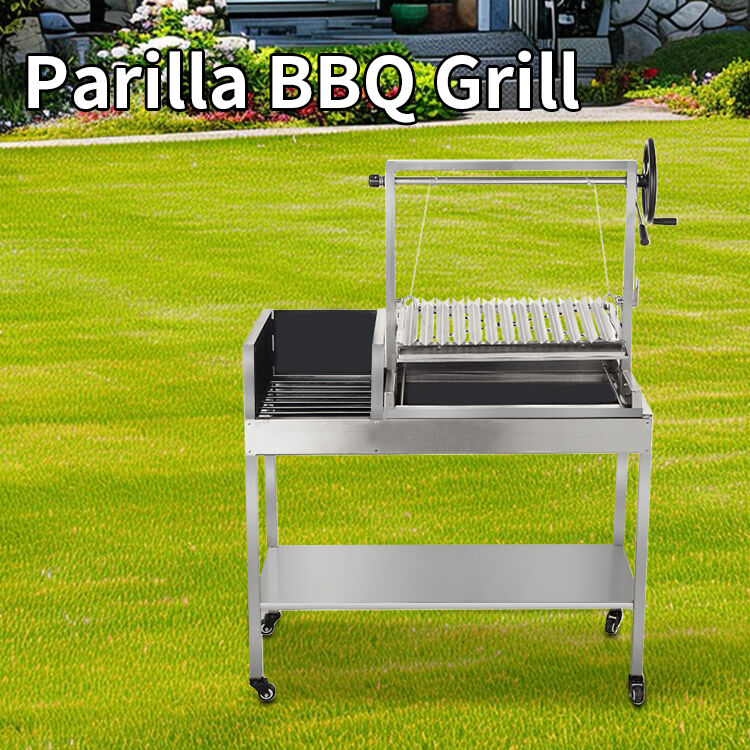
The outdoor cooking revolution continues to evolve as more homeowners discover the unmatched flavor and social experience that comes with grilling. Whether you're a weekend warrior or a serious pitmaster, finding the right barbecue grills can transform your backyard into a culinary destination. Modern grilling technology has advanced significantly, offering features like precision temperature control, innovative fuel systems, and durable construction materials that ensure years of reliable performance. Understanding the key factors that separate exceptional grills from mediocre options will help you make an informed decision that enhances your outdoor cooking adventures.

Essential Features of High-Performance Grills
Heat Distribution and Temperature Control
Professional-grade barbecue grills excel in their ability to maintain consistent temperatures across the entire cooking surface. Advanced heat distribution systems utilize multiple burners or heat zones that allow for versatile cooking techniques, from high-heat searing to low-and-slow smoking. Temperature gauges built into premium models provide accurate readings, enabling precise control over the cooking process. The ability to create different temperature zones on a single grill surface opens up countless possibilities for preparing multiple dishes simultaneously.
Quality grills incorporate innovative airflow designs that promote even heat circulation, reducing hot spots that can cause uneven cooking. Adjustable dampers and vents give experienced grillers fine-tuned control over combustion and smoke production. These features become particularly important when preparing delicate foods like fish or vegetables that require gentle, consistent heat. The thermal mass of the grill body also plays a crucial role in temperature stability, with heavier construction materials typically providing superior heat retention.
Construction Materials and Durability
The longevity and performance of barbecue grills depend heavily on the quality of construction materials used throughout the design. Stainless steel remains the gold standard for exterior surfaces, offering excellent resistance to rust, corrosion, and weather damage. However, the grade of stainless steel varies significantly, with higher grades providing superior durability and easier maintenance. Cast iron cooking grates deliver exceptional heat retention and create beautiful sear marks, though they require proper seasoning and maintenance to prevent rust.
Ceramic and porcelain-enameled surfaces combine durability with easy cleanup, making them popular choices for both interior and exterior applications. The thickness of metal components directly impacts both durability and heat retention, with thicker materials generally providing better performance over time. Quality fasteners, hinges, and hardware ensure that moving parts continue to function smoothly even after years of regular use. Investment in well-constructed barbecue grills pays dividends through consistent performance and reduced maintenance requirements.
Fuel Types and Their Advantages
Gas Grill Benefits and Features
Gas-powered barbecue grills offer unmatched convenience and control, making them the preferred choice for many home cooks who value quick startup times and precise temperature management. Modern gas grills feature multiple independently controlled burners that create distinct cooking zones for different foods. Push-button ignition systems eliminate the hassle of lighting charcoal, while instant heat adjustment allows for immediate temperature changes during cooking. Side burners expand cooking capabilities by providing additional space for sauces, sides, or warming dishes.
Advanced gas grill models incorporate infrared burners that generate intense, even heat perfect for searing steaks and other proteins. Built-in thermometers and smart connectivity features enable remote monitoring and control through smartphone apps. The consistent fuel supply from propane tanks or natural gas lines ensures reliable performance without the need to constantly tend the fire. Gas grills also produce less smoke than charcoal alternatives, making them suitable for urban environments with strict fire regulations.
Charcoal Grilling Advantages
Charcoal barbecue grills provide an authentic grilling experience that many enthusiasts believe produces superior flavor profiles compared to other fuel types. The high heat generated by burning charcoal creates excellent searing conditions that lock in juices and develop complex flavor compounds through the Maillard reaction. Wood chips and chunks can be easily added to charcoal fires to introduce specific smoke flavors that complement different types of meat and vegetables. The ritual of building and managing a charcoal fire adds an element of craftsmanship that many grillers find deeply satisfying.
Kettle-style charcoal grills excel at both direct and indirect cooking methods, making them versatile tools for everything from quick burgers to slow-cooked roasts. The ability to adjust coal placement and add fresh fuel during cooking provides experienced grillers with precise control over heat distribution and cooking times. Modern charcoal grills feature improved ventilation systems and ash management solutions that simplify cleanup and maintenance. Despite requiring more hands-on attention than gas models, charcoal grills often cost significantly less while delivering exceptional cooking results.
Size and Capacity Considerations
Determining Your Cooking Needs
Selecting the appropriate size for barbecue grills requires careful consideration of your typical cooking requirements and available outdoor space. Family size, entertaining frequency, and preferred cooking styles all influence the ideal grill dimensions. Compact models with 400-500 square inches of cooking space work well for small families or occasional use, while larger gatherings may require 600-800 square inches or more. Consider both primary cooking surface and warming rack space when evaluating total capacity.
The physical footprint of the grill must fit comfortably in your designated outdoor cooking area while maintaining proper clearances from combustible materials. Folding side tables, storage compartments, and additional features can significantly increase the overall dimensions beyond the basic cooking chamber. Vertical clearance requirements also matter, particularly for covered patios or low-hanging obstacles. Planning for adequate workspace around the grill ensures safe and comfortable cooking experiences.
Portability and Storage Options
Portable barbecue grills serve specific needs for camping, tailgating, and small-space living situations where full-sized models aren't practical. Compact designs prioritize lightweight construction and easy transport without sacrificing essential cooking capabilities. Folding legs, removable components, and integrated carrying handles make these units convenient for outdoor adventures. Despite their smaller size, many portable grills deliver impressive performance for their intended applications.
Storage considerations extend beyond seasonal protection to include everyday convenience and accessibility. Built-in storage compartments keep grilling tools, seasonings, and accessories organized and readily available. Weather-resistant covers protect the investment from harsh elements when not in use. Some barbecue grills feature modular designs that allow for partial disassembly to reduce storage space requirements. Indoor storage options may be necessary in extreme climates or for security purposes.
Advanced Features and Technology
Smart Connectivity and Digital Controls
Modern barbecue grills increasingly incorporate smart technology that enhances user control and monitoring capabilities through wireless connectivity and mobile applications. Digital temperature probes provide real-time monitoring of both grill temperature and internal food temperatures, sending alerts when target temperatures are reached. Smartphone apps allow remote adjustment of settings and provide access to recipes, cooking guides, and community features. These technological advances make precision grilling more accessible to home cooks of all skill levels.
Automated pellet feed systems in pellet grills maintain consistent temperatures with minimal user intervention, while digital controllers provide precise temperature regulation within narrow ranges. LED displays show current temperatures, timer information, and system status at a glance. Some advanced models include weather-resistant touchscreen interfaces that remain functional in various outdoor conditions. Integration with smart home systems enables voice control and automation routines that coordinate grilling with other outdoor entertainment features.
Specialized Cooking Systems
Innovative cooking systems expand the versatility of barbecue grills beyond traditional grilling applications to include smoking, roasting, baking, and even pizza preparation. Rotisserie attachments enable even cooking of whole birds and large roasts while self-basting for enhanced flavor and moisture retention. Smoker boxes and dedicated smoking chambers allow for true low-and-slow barbecue techniques that develop complex flavors over extended cooking periods. Pizza stones and high-temperature capabilities transform grills into outdoor pizza ovens.
Multi-zone cooking systems create distinct temperature areas on a single cooking surface, enabling simultaneous preparation of foods requiring different heat levels. Reversible cooking grates offer both traditional bars for searing and flat surfaces for delicate foods or breakfast items. Steam injection systems and water pans help maintain moisture during long cooking sessions. These specialized features transform basic barbecue grills into comprehensive outdoor cooking systems capable of handling diverse culinary challenges.
Maintenance and Care Guidelines
Regular Cleaning Procedures
Proper maintenance ensures that barbecue grills continue to perform optimally while extending their operational lifespan significantly. Regular cleaning after each use prevents grease buildup and food residue that can affect flavor and create fire hazards. Preheating the grill before cleaning helps loosen stuck-on debris, making removal easier with appropriate grill brushes and scrapers. Cooking grates should be cleaned while still warm but not dangerously hot to avoid burns.
Deep cleaning sessions should address all grill components including interior surfaces, exterior finishes, and removable parts like drip pans and heat deflectors. Grease management systems require regular attention to prevent overflow and potential fire risks. Stainless steel surfaces benefit from specialized cleaners that maintain their appearance without causing damage. Proper cleaning techniques preserve warranty coverage and ensure food safety standards are maintained throughout the grill's service life.
Seasonal Storage and Protection
Seasonal storage procedures protect barbecue grills from weather damage and extend their functional life through proper preparation and protection measures. Thorough cleaning before storage removes food residues and grease that could attract pests or cause corrosion during inactive periods. All fuel sources should be properly disconnected and stored according to manufacturer guidelines and local safety regulations. Moving parts benefit from light lubrication to prevent seizure during storage.
Quality grill covers provide essential protection from moisture, UV radiation, and debris accumulation during storage periods. Ventilation considerations prevent condensation buildup that could promote rust and corrosion in vulnerable areas. Indoor storage offers superior protection but requires adequate space and ventilation for safety. Regular inspections during storage periods allow for early detection of potential problems before they become serious issues requiring expensive repairs.
Budget Considerations and Value Assessment
Entry-Level vs Premium Options
The barbecue grill market offers options across a wide price spectrum, with entry-level models providing basic functionality at accessible price points while premium units deliver advanced features and superior build quality. Budget-conscious consumers can find capable grills that handle fundamental grilling tasks effectively, though they may lack some convenience features and premium materials found in higher-priced models. Understanding the compromises inherent in lower-priced options helps set realistic expectations for performance and longevity.
Premium barbecue grills justify their higher cost through superior materials, advanced features, and enhanced durability that provides better long-term value despite the larger initial investment. Professional-grade construction, precise temperature control, and comprehensive warranty coverage characterize high-end models. The decision between entry-level and premium options should consider cooking frequency, feature requirements, and long-term ownership costs including maintenance and replacement needs.
Long-Term Investment Analysis
Evaluating barbecue grills as long-term investments requires consideration of total ownership costs beyond the initial purchase price. Higher-quality units typically require less frequent repairs and replacement, potentially offering better value over extended ownership periods. Energy efficiency, fuel consumption, and maintenance requirements all contribute to ongoing operational costs. Warranty coverage and parts availability affect both peace of mind and potential future expenses.
Resale value considerations may be relevant for those who regularly upgrade their outdoor cooking equipment or relocate frequently. Well-maintained premium grills often retain significant value while budget models depreciate rapidly. The frequency of use, cooking style preferences, and available storage conditions all influence the practical lifespan of different grill types. Careful analysis of these factors helps determine the optimal balance between features, quality, and cost for individual circumstances.
FAQ
What size barbecue grill do I need for a family of four
For a family of four, a grill with 450-550 square inches of primary cooking space typically provides adequate capacity for regular meals and occasional entertaining. This size accommodates 12-16 burgers or 4-6 steaks simultaneously, with additional warming rack space for sides and vegetables. Consider your entertaining habits and cooking style preferences when determining the ideal size, as frequent hosts may benefit from larger models with 600+ square inches of total cooking area.
How often should I clean my barbecue grill
Basic cleaning should occur after every use, focusing on cooking grates and immediate debris removal while the grill is still warm. Deep cleaning sessions should happen monthly during active grilling season, addressing all interior surfaces, grease management systems, and removable components. Annual maintenance including inspection of gas lines, burner tubes, and ignition systems ensures safe operation and optimal performance throughout the grill's lifespan.
What's the difference between gas and charcoal barbecue grills
Gas grills offer convenience through instant ignition, precise temperature control, and consistent heat output, making them ideal for frequent use and quick meals. Charcoal grills provide authentic smoky flavors and higher searing temperatures but require more time and attention to maintain proper cooking conditions. Gas models typically cost more initially but offer lower per-use costs, while charcoal grills are often less expensive upfront but require ongoing fuel purchases.
Can I use my barbecue grill year-round
Most quality barbecue grills can operate safely in various weather conditions with proper precautions and maintenance. Cold weather may require longer preheating times and increased fuel consumption, while wind protection improves cooking efficiency and safety. Rain and snow should be avoided during cooking, though many grill enthusiasts successfully use their equipment throughout winter months. Regular maintenance and proper storage between uses become more critical in harsh weather conditions.