
 EN
EN

Santa Maria barbecue represents one of America's most distinctive regional grilling traditions, originating from California's Central Coast in the mid-1800s. This unique cooking style has captured the hearts of barbecue enthusiasts nationwide with its emphasis on simplicity, quality ingredients, and the distinctive open-fire grilling method. The authentic Santa Maria experience centers around using red oak wood to create intense heat and distinctive smoky flavors that transform simple cuts of beef into extraordinary culinary experiences. Understanding the fundamentals of this traditional cooking method will elevate your outdoor grilling game and connect you with a rich cultural heritage that spans generations.
Essential Equipment and Setup for Authentic Santa Maria Grilling
Traditional Grill Design and Construction
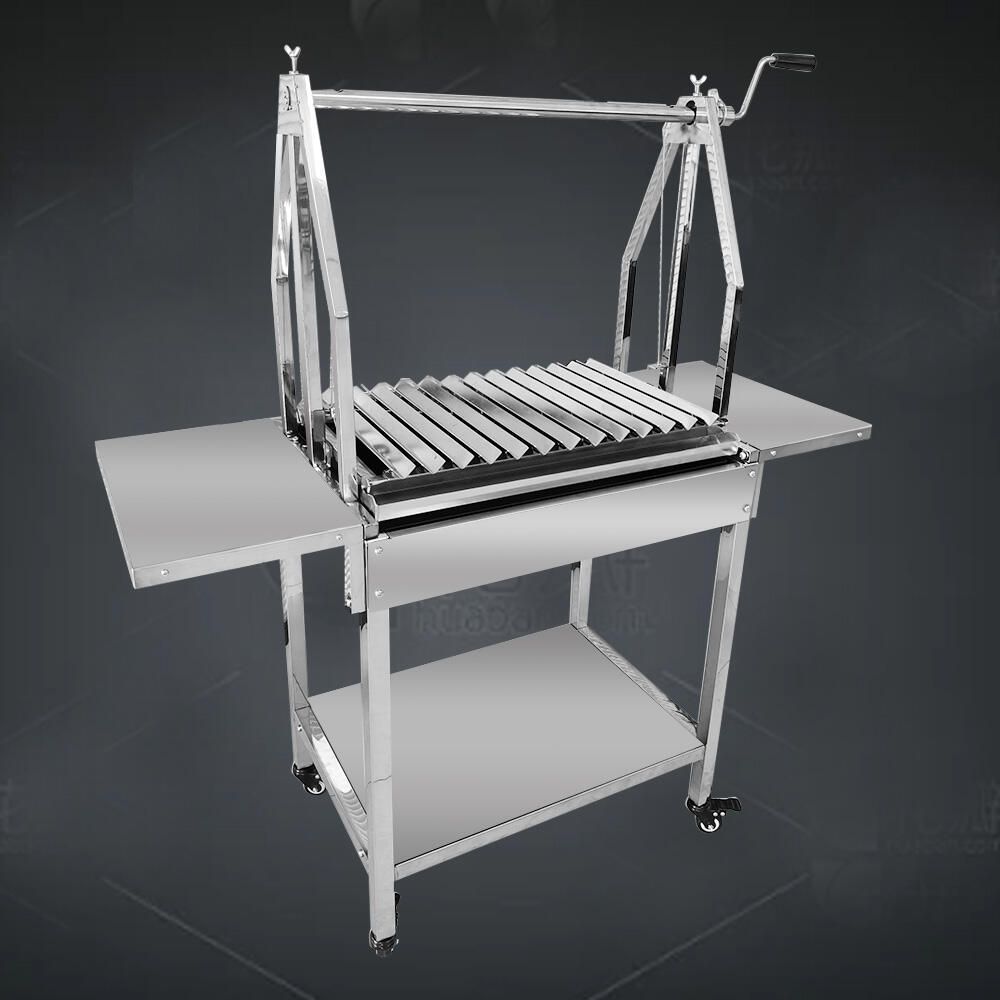
The authentic Santa Maria grilling setup features a distinctive V-shaped firebox design that allows for optimal heat distribution and wood placement. Traditional setups include a heavy-duty steel construction with adjustable grate heights, enabling precise temperature control throughout the cooking process. The grill's unique geometry creates natural airflow patterns that maintain consistent burning conditions while allowing excess fat to drain away from the cooking surface. Modern interpretations maintain these core design principles while incorporating contemporary materials and convenience features that enhance the overall grilling experience.
Key structural elements include a sturdy base that can withstand high temperatures, removable cooking grates for easy cleaning, and adequate ventilation systems that promote proper combustion. The firebox should be deep enough to accommodate substantial wood loads while maintaining safe clearances from cooking surfaces. Quality construction materials such as heavy-gauge steel or cast iron ensure longevity and consistent heat retention throughout extended cooking sessions. Proper assembly and positioning create the foundation for successful Santa Maria grilling adventures.
Wood Selection and Fire Management
Red oak stands as the traditional fuel choice for authentic Santa Maria barbecue, prized for its clean-burning properties and distinctive flavor profile. This hardwood produces intense heat while imparting subtle smoky notes that complement beef without overwhelming natural meat flavors. Proper wood preparation involves seasoning oak for at least six months to reduce moisture content and ensure clean combustion. Alternative hardwoods such as white oak or hickory can substitute when red oak proves unavailable, though purists maintain that red oak delivers the most authentic flavor experience.
Fire management techniques focus on creating and maintaining proper coal beds that provide consistent cooking temperatures. Building the fire starts with smaller kindling and gradually adding larger oak pieces to establish a strong foundation. The goal involves creating glowing coals that radiate steady heat rather than active flames that can char meat surfaces. Temperature control relies on adjusting grate heights and managing airflow through strategic wood placement and ventilation adjustments. Mastering these fire management skills distinguishes experienced Santa Maria practitioners from casual backyard grillers.
Signature Ingredients and Traditional Preparations
Tri-Tip Selection and Preparation
Tri-tip beef serves as the cornerstone protein for traditional Santa Maria barbecue, representing a relatively affordable cut that transforms into tender, flavorful results when grilled properly. This triangular muscle from the bottom sirloin offers excellent marbling and responds beautifully to high-heat cooking methods. Selecting quality tri-tip involves looking for bright red color, firm texture, and adequate fat marbling throughout the muscle. Proper trimming removes excess surface fat while leaving enough to provide moisture and flavor during the cooking process.
Traditional seasoning remains remarkably simple, typically consisting of coarse salt, black pepper, and garlic powder applied generously before grilling. This minimalist approach allows the beef's natural flavors to shine while the santa maria bbq grill imparts its distinctive smoky character. Some variations include adding dried herbs such as oregano or rosemary, but authentic preparations avoid complex marinades or heavy spice blends. The key lies in timing the seasoning application to allow flavors to penetrate the meat without drawing out excessive moisture.
Traditional Side Dishes and Accompaniments
Classic Santa Maria barbecue features specific side dishes that complement the grilled beef and reflect the region's agricultural heritage. Pinquito beans represent the traditional legume accompaniment, featuring small pink beans native to the Santa Maria Valley region. These beans are typically slow-cooked with bacon, onions, and simple seasonings to create a hearty side that balances the richness of grilled meats. The beans' creamy texture and mild flavor provide an excellent counterpoint to the bold, smoky characteristics of oak-fired beef.
Salsa fresca serves as another essential component, combining fresh tomatoes, onions, cilantro, and jalapeños in a bright, acidic mixture that cuts through rich meat flavors. This fresh salsa provides textural contrast and helps cleanse the palate between bites of grilled beef. French bread, specifically sourdough varieties, completes the traditional meal by offering a vehicle for soaking up meat juices and salsa. The bread's crusty exterior and soft interior create satisfying textural elements while remaining neutral enough to highlight the main attractions.
Advanced Grilling Techniques and Temperature Control
Heat Zone Management
Successful Santa Maria grilling requires understanding and managing multiple heat zones across the cooking surface to accommodate different proteins and cooking stages. Creating distinct temperature areas allows for searing, moderate cooking, and warming zones that provide flexibility throughout the cooking process. The hottest zone typically sits directly above the coals, perfect for initial searing and developing attractive grill marks. Medium heat areas work well for continued cooking and managing flare-ups, while cooler zones provide space for resting meat or keeping finished items warm.
Temperature monitoring becomes crucial for consistent results, though traditional practitioners often rely on hand-testing methods rather than digital thermometers. The classic technique involves holding your hand five inches above the grate and counting seconds before heat becomes uncomfortable. Two to three seconds indicates high heat suitable for searing, while four to five seconds suggests medium heat appropriate for continued cooking. Developing this intuitive temperature sense takes practice but provides valuable skills that enhance grilling confidence and consistency.
Timing and Doneness Indicators
Proper timing coordination ensures all menu components finish simultaneously while maintaining optimal temperatures and textures. Tri-tip typically requires 25-35 minutes total cooking time, depending on thickness and desired doneness level. The cooking process begins with high-heat searing for 4-5 minutes per side to develop attractive crusts and lock in juices. Subsequent cooking occurs over moderate heat, allowing internal temperatures to rise gradually while maintaining tender, juicy textures throughout the muscle.
Visual and tactile cues help determine doneness without constantly piercing the meat with thermometers. Experienced grillers recognize the firmness changes that indicate different doneness levels, from soft and yielding for rare preparations to firmer resistance for medium-well results. Color changes in meat juices also provide valuable information, with clear juices typically indicating well-done meat while pink or red juices suggest less-cooked interiors. Resting periods of 5-10 minutes after cooking allow juices to redistribute throughout the muscle, ensuring optimal flavor and texture in the final presentation.
Modern Adaptations and Equipment Innovations
Contemporary Grill Designs
Modern Santa Maria grill manufacturers have incorporated technological advances while maintaining traditional cooking principles that define authentic barbecue experiences. Contemporary designs feature improved materials, enhanced safety systems, and convenience features that make the cooking process more accessible to home enthusiasts. Stainless steel construction provides superior durability and easier maintenance compared to traditional carbon steel options, while maintaining excellent heat retention and distribution properties essential for quality results.
Innovative features include motorized grate adjustment systems that eliminate manual cranking, integrated temperature monitoring systems, and improved ventilation designs that enhance combustion efficiency. These modern conveniences reduce physical demands while maintaining the hands-on cooking experience that defines Santa Maria barbecue culture. Modular designs allow for customization and expansion, enabling enthusiasts to build systems that match their specific needs and available space constraints.
Alternative Fuel Options and Hybrid Systems
While red oak remains the gold standard for authentic Santa Maria barbecue, modern practitioners have explored alternative fuel options that provide similar results with improved convenience and availability. Hardwood pellets made from oak and other suitable species offer consistent burning characteristics with reduced preparation requirements compared to traditional split wood. Gas-assisted ignition systems help establish fires more reliably while maintaining wood-fired cooking throughout the primary cooking process.
Hybrid systems combine gas burners for initial heating and temperature maintenance with wood additions for flavor enhancement, providing flexibility for different cooking situations and skill levels. These systems appeal to urban dwellers with limited wood storage space or those seeking more predictable cooking conditions. While purists may prefer traditional all-wood approaches, these modern alternatives help introduce more people to Santa Maria cooking principles and techniques, potentially expanding appreciation for this distinctive regional barbecue style.
FAQ
What makes Santa Maria BBQ different from other regional barbecue styles
Santa Maria barbecue distinguishes itself through its emphasis on simple seasoning, red oak wood fuel, and specific cut selections, particularly tri-tip beef. Unlike other regional styles that feature complex rubs, sauces, or long smoking periods, Santa Maria focuses on high-heat grilling over glowing oak coals. The cooking method produces distinctive char and smoke flavors while maintaining tender, juicy interiors. Traditional accompaniments also set this style apart, featuring pinquito beans, salsa fresca, and French bread rather than the coleslaw, baked beans, or sauce-heavy sides common in other barbecue regions.
How long should I cook tri-tip on a Santa Maria grill
Tri-tip cooking times typically range from 25-35 minutes total, depending on meat thickness and desired doneness level. Begin with 4-5 minutes of high-heat searing per side to develop proper crusts, then move to medium heat zones for continued cooking. Internal temperatures should reach 125°F for rare, 135°F for medium-rare, or 145°F for medium doneness. Always allow 5-10 minutes resting time after cooking to redistribute juices throughout the muscle. Thickness variations and coal temperature differences can affect timing, so rely on temperature readings and visual cues rather than strict time schedules.
Can I use other types of wood instead of red oak
While red oak provides the most authentic Santa Maria flavor profile, other hardwoods can produce excellent results when red oak proves unavailable. White oak offers similar burning characteristics with slightly different flavor notes, while hickory provides more pronounced smoky qualities that some prefer. Avoid softwoods like pine or cedar, which produce harsh flavors and excessive smoke. Fruit woods such as apple or cherry can work for lighter proteins but may not provide sufficient heat intensity for proper tri-tip searing. Whatever wood you choose, ensure it's properly seasoned and free from chemicals or treatments that could affect food safety.
What temperature should my Santa Maria grill reach for optimal cooking
Effective Santa Maria grilling requires multiple temperature zones rather than uniform heat across the entire cooking surface. The hottest zone should reach 500-600°F for initial searing, while medium zones maintain 350-450°F for continued cooking. Cooler areas around 250-300°F provide space for resting meat and keeping finished items warm. These temperatures refer to grate-level measurements rather than air temperatures above the grill. Proper coal bed management and grate height adjustments help create and maintain these temperature zones throughout the cooking process.