
 EN
EN
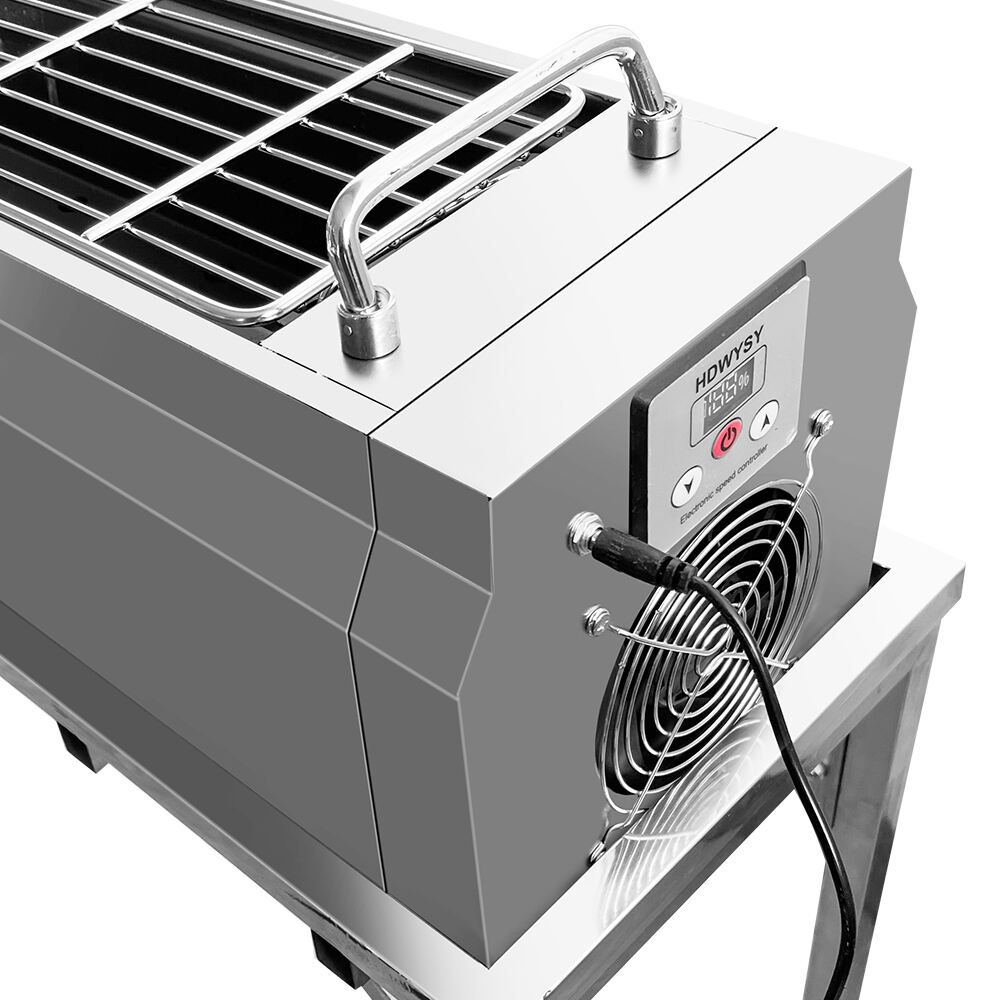
Barbecue enthusiasts know that achieving authentic smoky flavor requires the right equipment and technique. While gas grills offer convenience, nothing compares to the rich, complex flavors produced by traditional wood-fired cooking methods. Understanding the fundamentals of low and slow cooking transforms ordinary backyard gatherings into memorable culinary experiences that showcase your mastery of classic barbecue techniques.
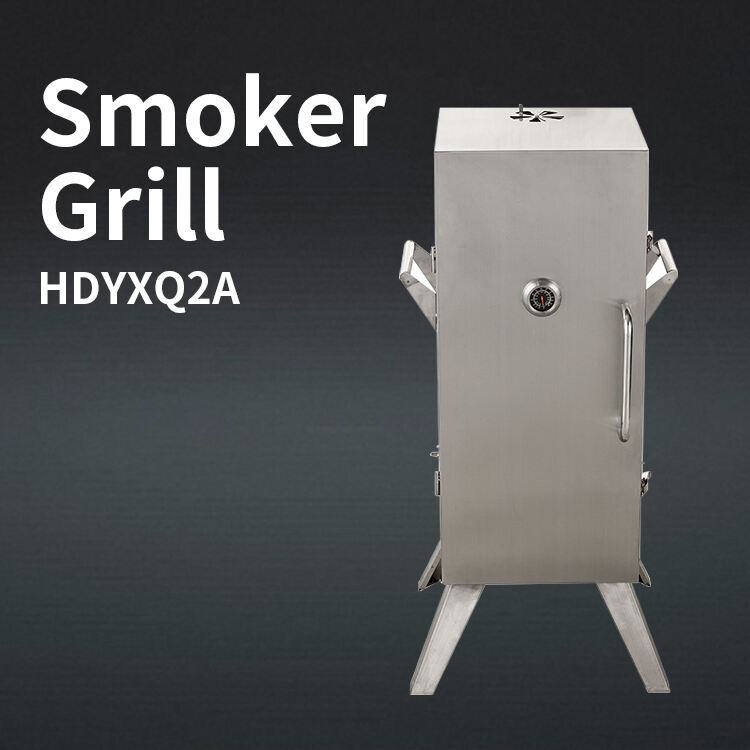
The art of smoking meat dates back centuries, with pitmasters developing regional styles that define American barbecue culture. Each cooking method produces distinct flavor profiles, textures, and aromatic qualities that cannot be replicated through conventional cooking methods. Modern outdoor cooking enthusiasts embrace these time-tested approaches to create restaurant-quality results in their own backyards.
Understanding the Fundamentals of Wood-Fired Cooking
Heat Management Principles
Successful barbecue cooking relies on maintaining consistent temperatures between 225 and 275 degrees Fahrenheit throughout extended cooking periods. This temperature range allows connective tissues to break down slowly, creating tender, flavorful results. Professional pitmasters monitor multiple temperature zones to ensure even cooking across different sections of their cooking chamber.
The firebox design directly impacts temperature stability and fuel efficiency. Proper airflow management involves adjusting intake dampers and exhaust vents to control oxygen supply to the fire. Understanding these principles helps achieve consistent results regardless of weather conditions or fuel variations.
Wood Selection and Preparation
Different wood species impart unique flavor characteristics to smoked foods. Fruit woods like apple and cherry provide mild, sweet notes perfect for poultry and pork. Hardwoods such as oak and hickory deliver robust, earthy flavors that complement beef and game meats. Combining wood types creates complex flavor profiles that enhance the natural taste of your ingredients.
Proper wood preparation involves seasoning logs for at least six months to reduce moisture content. Well-seasoned wood burns cleaner, produces less creosote, and maintains more consistent temperatures. Splitting logs to uniform sizes ensures predictable burn rates and easier fire management throughout long cooking sessions.
Essential Setup and Configuration Techniques
Initial Assembly and Positioning
Strategic placement of your cooking equipment affects performance and safety. Position your smoker away from structures and overhanging branches, allowing adequate clearance for heat and smoke dissipation. Level positioning ensures even heat distribution and prevents grease accumulation in unwanted areas.
Weather protection extends equipment lifespan and improves cooking consistency. Wind screens redirect airflow patterns that can disrupt temperature control. Covering unused air intakes prevents debris accumulation and maintains optimal airflow characteristics during operation.
Temperature Monitoring Systems
Accurate temperature measurement requires multiple monitoring points throughout the cooking chamber. Grate-level thermometers provide more relevant readings than dome-mounted gauges. Digital wireless systems allow remote monitoring without constantly opening the cooking chamber and losing heat.
Calibrating thermometers ensures accurate readings and consistent results. Ice water tests verify thermometer accuracy at freezing point, while boiling water tests confirm readings at higher temperatures. Regular calibration maintains measurement precision throughout extended use periods.
Advanced Fire Management Strategies
Building and Maintaining Optimal Fires
Creating the perfect fire begins with establishing a solid coal base using hardwood charcoal. This foundation provides steady heat output while wood logs contribute flavor and maintain temperature. The coal bed should cover approximately one-third of the firebox floor for optimal heat generation.
Adding fuel incrementally prevents temperature spikes that can overcook exterior surfaces before interiors reach target temperatures. Small, frequent additions maintain steady heat output better than large fuel loads that create dramatic temperature swings. Experienced pitmasters develop intuitive timing for fuel additions based on visual cues and temperature trends.
Airflow Control Methods
Mastering damper adjustments allows precise temperature control throughout extended cooking sessions. Intake dampers control oxygen supply to the fire, directly affecting burn intensity and heat output. Exhaust dampers regulate smoke flow and create proper draft conditions for consistent combustion.
Understanding how offset smokers utilize natural convection helps optimize airflow patterns. Hot air rises from the firebox, flows across the cooking chamber, and exits through the chimney. Adjusting damper positions fine-tunes this airflow to maintain target temperatures while ensuring proper smoke circulation.
Meat Preparation and Seasoning Techniques
Selection and Trimming Methods
Quality ingredient selection forms the foundation of exceptional barbecue results. Look for well-marbled cuts with consistent thickness that promote even cooking. Prime and choice grades offer superior fat distribution that enhances flavor development during extended cooking periods.
Proper trimming techniques remove excess fat while preserving enough marbling for moisture retention. Uniform thickness ensures consistent cooking times across different portions of the same cut. Strategic scoring of fat caps allows better seasoning penetration and rendering during the cooking process.
Seasoning Application Strategies
Timing seasoning applications affects flavor penetration and surface texture development. Dry rubs applied several hours before cooking allow salt to penetrate deeper into the meat structure. This process, known as dry brining, enhances flavor distribution and improves moisture retention during cooking.
Balancing salt, sugar, and spice ratios creates complex flavor profiles that complement natural meat flavors without overwhelming them. Salt enhances existing flavors while sugar promotes beneficial surface browning reactions. Spice combinations should reflect regional preferences or personal taste preferences developed through experimentation.
Cooking Process Optimization
Temperature Control Throughout Extended Sessions
Maintaining consistent cooking temperatures requires constant attention during the initial hours of cooking. Temperature fluctuations early in the process can significantly impact final results. Establishing stable conditions early allows for more relaxed monitoring during later stages of the cooking process.
The stall phenomenon occurs when internal meat temperatures plateau despite continued heat application. This natural process results from moisture evaporation cooling effects. Patient pitmasters allow this process to complete naturally, resulting in superior texture development compared to methods that attempt to rush through this phase.
Smoke Production and Quality Management
Quality smoke appears thin and blue-white, indicating clean combustion with minimal creosote production. Thick, white smoke suggests incomplete combustion that can impart bitter flavors to food. Adjusting airflow and fuel size helps achieve optimal smoke characteristics throughout the cooking session.
Smoke ring development occurs during the initial hours of cooking when meat surfaces remain receptive to smoke penetration. This visual indicator of proper smoking technique results from chemical reactions between smoke compounds and meat proteins. Maintaining steady smoke production during this critical period ensures maximum flavor development.
Troubleshooting Common Challenges
Temperature Fluctuation Solutions
Identifying causes of temperature instability helps develop effective solutions for maintaining consistent cooking conditions. Wind patterns, fuel quality, and equipment condition all influence temperature stability. Systematic troubleshooting approaches address root causes rather than symptoms for lasting improvements.
Weather conditions significantly impact cooking performance, requiring adjustments to standard operating procedures. Cold ambient temperatures increase fuel consumption and extend cooking times. Wind affects airflow patterns and can create hot spots or cool zones within the cooking chamber.
Equipment Maintenance and Care
Regular maintenance prevents performance degradation and extends equipment lifespan. Cleaning ash and grease buildup maintains proper airflow and prevents flavor contamination. Inspecting gaskets, dampers, and other moving parts identifies wear patterns before they affect cooking performance.
Proper storage protects equipment from weather damage and corrosion. Covering exposed surfaces prevents rust formation while allowing air circulation to prevent moisture accumulation. Periodic seasoning of cooking surfaces maintains non-stick properties and prevents food contamination.
Safety Considerations and Best Practices
Fire Safety Protocols
Establishing comprehensive safety procedures protects people and property during outdoor cooking activities. Maintaining adequate clearances from combustible materials reduces fire risk while ensuring proper ventilation. Emergency plans should include fire suppression methods and evacuation procedures appropriate for your cooking location.
Carbon monoxide awareness becomes critical when cooking in enclosed or semi-enclosed spaces. Proper ventilation prevents dangerous gas accumulation that can pose serious health risks. Never operate equipment indoors or in areas with inadequate air circulation, regardless of weather conditions.
Food Safety Standards
Maintaining proper food handling procedures throughout the cooking process prevents foodborne illness and ensures safe consumption. Temperature monitoring includes both cooking chamber temperatures and internal food temperatures. Digital thermometers provide accurate readings for verifying safe cooking completion.
Cross-contamination prevention requires separate cutting boards, utensils, and storage containers for raw and cooked products. Proper hand washing and sanitization procedures maintain hygienic conditions throughout food preparation and serving phases.
FAQ
What type of wood works best for beginners using offset smokers
New barbecue enthusiasts should start with mild fruit woods like apple or cherry, which provide pleasant smoke flavor without overwhelming food taste. These woods burn cleanly and forgive minor temperature control mistakes while developing fundamental smoking skills. Oak serves as an excellent base wood that can be mixed with fruit woods for more complex flavor profiles as experience grows.
How often should I add wood to maintain consistent temperature
Fuel addition frequency depends on wood size, weather conditions, and desired cooking temperature. Generally, adding split logs every 45-60 minutes maintains steady temperatures without creating dramatic fluctuations. Monitor temperature trends rather than following rigid schedules, adding fuel when temperatures begin declining rather than waiting for significant drops.
What internal temperatures should different meats reach for safety
Safe internal temperatures vary by meat type and cut thickness. Poultry requires 165°F throughout, while pork should reach 145°F for whole cuts and 160°F for ground products. Beef safety depends on cut type, with whole muscles safe at 145°F while ground beef needs 160°F. Always use calibrated thermometers for accurate readings.
How do I prevent my meat from drying out during long cooking sessions
Moisture retention strategies include selecting well-marbled cuts, maintaining consistent cooking temperatures, and avoiding excessive temperature fluctuations. Wrapping meats in butcher paper or foil during later cooking stages helps retain moisture while allowing continued cooking. Proper resting periods after cooking allow juices to redistribute throughout the meat structure before serving.