
 EN
EN
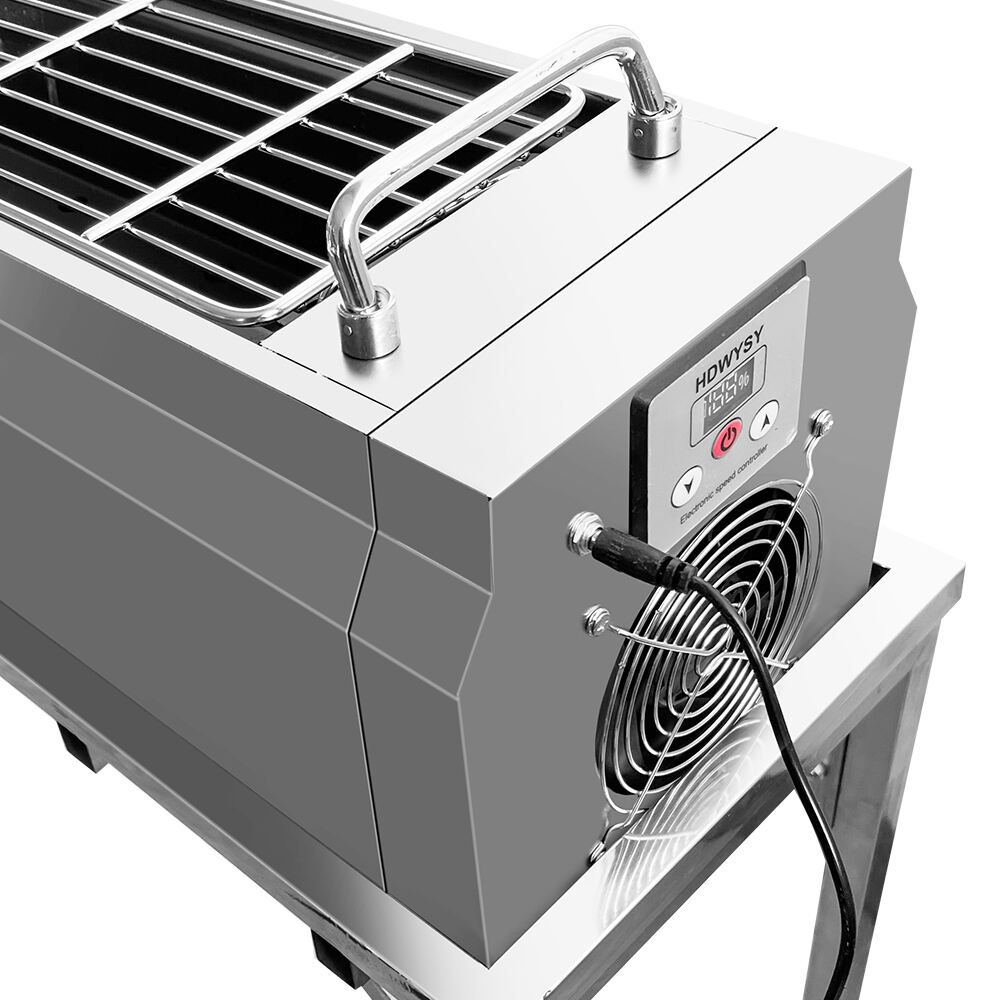
When it comes to authentic barbecue, nothing beats the rich, smoky flavor that only traditional offset smokers can deliver. These horizontal cooking chambers, paired with attached fireboxes, have been the backbone of American barbecue culture for generations. While premium models can cost thousands of dollars, budget-conscious pitmasters don't have to sacrifice quality for affordability. The market offers exceptional offset smokers under $500 that deliver restaurant-quality results without breaking the bank.
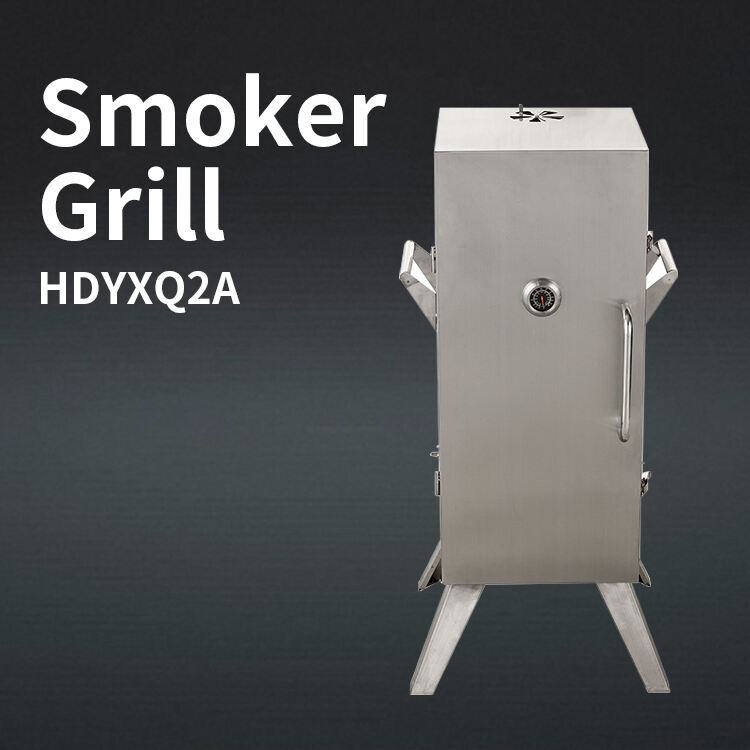
Budget offset smokers have evolved significantly over the past decade, incorporating design improvements that were once exclusive to high-end models. Modern affordable units feature better insulation, improved airflow systems, and more durable construction materials. These enhancements mean that backyard enthusiasts can now achieve consistent temperatures and exceptional smoke penetration without investing in commercial-grade equipment.
Understanding the key features that separate good budget smokers from mediocre ones is crucial for making an informed purchase. Temperature control, build quality, cooking capacity, and ease of use are the primary factors that determine long-term satisfaction with any offset smoker investment.
Essential Features in Budget Offset Smokers
Temperature Control and Monitoring Systems
Effective temperature management forms the foundation of successful barbecue smoking. Quality budget offset smokers incorporate adjustable dampers and vents that allow precise airflow control throughout the cooking process. The firebox damper regulates oxygen intake, directly affecting burn rate and heat production, while the chimney damper controls exhaust flow and maintains consistent internal temperatures.
Built-in temperature gauges, though basic in budget models, provide essential feedback for maintaining optimal cooking conditions. Look for smokers with thermometers positioned at grate level rather than dome-mounted units, as these provide more accurate readings of actual cooking temperatures. Some budget models include multiple probe ports, allowing for aftermarket digital thermometer installations.
Heat distribution characteristics vary significantly among budget offset smokers, making proper evaluation essential before purchase. Well-designed models feature baffle plates or tuning plates that help distribute heat evenly across the cooking chamber, reducing hot spots and ensuring uniform cooking results.
Construction Materials and Durability
Steel thickness directly impacts heat retention, fuel efficiency, and overall longevity of offset smokers. Budget models typically utilize 14-16 gauge steel, which provides adequate performance when properly designed and assembled. Thicker steel retains heat more effectively and reduces temperature fluctuations, but significantly increases manufacturing costs.
Welded construction generally outperforms bolted assemblies in terms of durability and heat retention. Quality welds create airtight seals that prevent heat loss and maintain consistent cooking environments. Inspect weld quality carefully, as poor welding can lead to warping, cracking, and premature failure under high-temperature conditions.
Powder coating and high-temperature paint finishes protect against rust and corrosion, extending the operational lifespan of budget offset smokers. These protective coatings also simplify cleaning and maintenance, particularly important for units that will see regular outdoor use in varying weather conditions.
Top 5 Budget Offset Smokers Analysis
Entry-Level Champion Selection
The Char-Griller E1224 Smokin Pro represents exceptional value in the entry-level category, offering 830 square inches of total cooking space for under $300. This model features a traditional offset design with a side firebox and main cooking chamber, delivering authentic barbecue results for beginners and experienced pitmasters alike. The heavy-duty steel construction and adjustable dampers provide reliable temperature control.
Assembly requires approximately two to three hours, with clear instructions and all necessary hardware included. The unit includes a temperature gauge, chrome-plated cooking grates, and a warming rack for additional cooking capacity. While the stock thermometer requires upgrading for precision cooking, the overall package delivers impressive performance for the price point.
User feedback consistently highlights the smoker's ability to maintain stable temperatures once properly seasoned and broken in. The large cooking chamber accommodates multiple briskets or dozens of ribs simultaneously, making it ideal for entertaining or meal preparation.
Mid-Range Performance Leaders
The Oklahoma Joe's Highland Reverse Flow Smoker stands out in the $400-450 range, featuring innovative reverse flow technology that ensures even heat distribution throughout the cooking chamber. This design forces hot air and smoke to travel under a baffle plate before circulating around the food, eliminating hot spots and cold zones common in traditional offset smokers.
The Highland model includes professional-grade features typically found on higher-priced units, including multiple dampers, a large firebox, and robust construction materials. The cooking chamber provides 751 square inches of primary cooking space, plus an additional 309 square inches on the warming rack, accommodating large gatherings and extended cooking sessions.
Temperature stability improves significantly with reverse flow design, reducing the need for constant adjustments and allowing for more consistent results. This makes the Highland particularly suitable for overnight cooking sessions and competitions where temperature precision is critical.
Value-Oriented Premium Options
The Dyna-Glo DGO1176BDC-D Wide Body Vertical Offset Charcoal Smoker maximizes cooking capacity within budget constraints, offering over 1,380 square inches of total cooking space across multiple levels. This vertical configuration provides excellent space efficiency while maintaining traditional offset smoking principles through its side-mounted firebox design.
Six adjustable cooking grates allow for flexible food arrangement and temperature zone management, accommodating different types of meat simultaneously. The large firebox accepts full-size logs, reducing fuel consumption and extending cooking times between additions. Heavy-duty steel construction and powder-coat finish ensure durability and weather resistance.
The wide-body design facilitates easier access to all cooking levels, simplifying food monitoring and rotation during extended smoking sessions. Built-in temperature monitoring and adjustable dampers provide adequate control for maintaining optimal cooking conditions throughout the process.
Setup and Seasoning Process
Initial Assembly Considerations
Proper assembly significantly impacts the long-term performance and durability of budget offset smokers. Allow sufficient time for careful assembly, typically requiring four to six hours for most models. Having a second person available simplifies handling of large components and ensures proper alignment during critical assembly steps.
Pay particular attention to door alignment and seal integrity during assembly, as these directly affect heat retention and fuel efficiency. Slightly loose bolts can cause warping under high temperatures, while overtightened connections may crack welds or strip threads. Use thread locker on critical connections to prevent loosening during thermal cycling.
Verify that all dampers and vents operate smoothly before completing assembly. Stiff or binding controls will become increasingly difficult to adjust once the smoker heats up, potentially compromising temperature control during cooking sessions.
Seasoning and Break-In Procedures
Seasoning establishes a protective coating on interior surfaces while burning off manufacturing residues and coatings that could affect food flavor. Begin by cleaning all surfaces with warm, soapy water and allowing complete drying before applying a thin layer of high-temperature cooking oil to all interior surfaces.
Build a moderate fire in the firebox using only hardwood or natural charcoal, avoiding lighter fluid or chemical fire starters that can leave residual flavors. Maintain temperatures between 225-250°F for two to three hours, allowing smoke to penetrate all interior surfaces and create the initial seasoning layer.
Monitor for any unusual odors, excessive smoke production, or hot spots during the initial seasoning process. These observations help identify potential issues before cooking food and allow for adjustments to damper positions and fuel management techniques.
Temperature Management Techniques
Fire Building and Fuel Selection
Successful offset smoking begins with proper fire management, starting with quality fuel selection and building techniques. Use only seasoned hardwood or natural lump charcoal as primary fuel sources, avoiding softwoods or treated lumber that produce harmful chemicals and off-flavors. Oak, hickory, cherry, and apple provide excellent heat characteristics and complementary smoke flavors.
Build fires using the minion method or traditional log-burning techniques, depending on fuel type and desired cooking duration. The minion method involves placing a small amount of lit charcoal on top of unlit fuel, creating a slow, controlled burn that maintains steady temperatures for extended periods.
Maintain a clean-burning fire by managing airflow through primary and secondary dampers, adjusting oxygen supply to achieve complete combustion without excessive smoke production. Blue or nearly invisible smoke indicates proper combustion, while thick white smoke suggests incomplete burning that can impart bitter flavors to food.
Airflow Control and Heat Distribution
Understanding airflow patterns within offset smokers enables precise temperature control and heat distribution management. The firebox intake damper controls primary combustion air, directly affecting burn rate and heat output. Small adjustments produce significant temperature changes, requiring patience and careful monitoring during initial learning phases.
Exhaust dampers regulate draft through the cooking chamber, influencing both temperature levels and smoke circulation patterns. Partially closing the exhaust damper increases internal pressure and temperature while extending smoke contact time with food surfaces. However, excessive restriction can cause incomplete combustion and poor smoke quality.
Heat distribution varies between different areas of the cooking chamber, with zones closest to the firebox typically running 25-50 degrees warmer than far ends. Use these temperature variations strategically, placing items requiring higher heat closer to the firebox while utilizing cooler zones for delicate foods or warming finished items.
Maintenance and Longevity Tips
Regular Cleaning and Care
Consistent maintenance extends the operational lifespan of budget offset smokers while preserving food quality and safety standards. Remove ash and debris after each cooking session, as accumulated residue retains moisture and accelerates corrosion of interior surfaces. Use a shop vacuum or ash removal tool to clear the firebox completely before storage.
Clean cooking grates with appropriate brushes and warm, soapy water, removing grease and food particles that can cause flare-ups or off-flavors during subsequent cooking sessions. Apply a light coating of cooking oil to grates after cleaning to prevent rust formation and maintain seasoning layers.
Inspect gaskets, seals, and moving parts regularly for wear or damage that could affect performance. Replace worn components promptly to maintain proper sealing and temperature control capabilities. Lubricate hinges and damper mechanisms with high-temperature grease to ensure smooth operation.
Seasonal Storage and Protection
Proper storage protects offset smokers from weather damage and extends their functional lifespan significantly. Clean all surfaces thoroughly before extended storage periods, removing grease, ash, and food residues that attract pests or promote corrosion during dormant periods.
Apply a protective coating of cooking oil to all interior surfaces before storage, creating a barrier against moisture and oxidation. Leave dampers slightly open to promote air circulation and prevent condensation buildup that leads to rust formation.
Use weatherproof covers or store units in protected areas during harsh weather conditions, particularly in regions with high humidity or salt air exposure. Quality covers designed specifically for offset smokers provide better protection than generic tarps while allowing adequate ventilation.
FAQ
How much fuel do budget offset smokers typically consume during a 12-hour cook?
Budget offset smokers generally consume 15-20 pounds of charcoal or 8-12 splits of hardwood during a 12-hour smoking session, depending on outside temperature, wind conditions, and desired internal temperature. Efficient fuel management and proper fire building techniques can reduce consumption by 20-30% while maintaining consistent cooking temperatures.
Can budget offset smokers maintain stable temperatures in cold weather conditions?
Most budget offset smokers can maintain adequate temperatures in cold weather with proper techniques and occasional modifications. Using welding blankets or insulation jackets helps retain heat, while positioning the smoker in wind-protected areas reduces heat loss. Expect increased fuel consumption and more frequent temperature adjustments during winter cooking sessions.
What modifications commonly improve budget offset smoker performance?
Popular modifications include installing higher-quality thermometers at grate level, adding gaskets to improve door sealing, and installing tuning plates for better heat distribution. Many users also upgrade to digital temperature controllers for automated fire management, though this requires electrical access and adds significant cost to budget builds.
How long do budget offset smokers typically last with regular use?
Well-maintained budget offset smokers can provide 8-15 years of reliable service with regular use, depending on construction quality and environmental conditions. Units stored outdoors without protection may show significant wear within 3-5 years, while properly maintained and protected smokers often exceed their expected lifespan considerably.