
 EN
EN
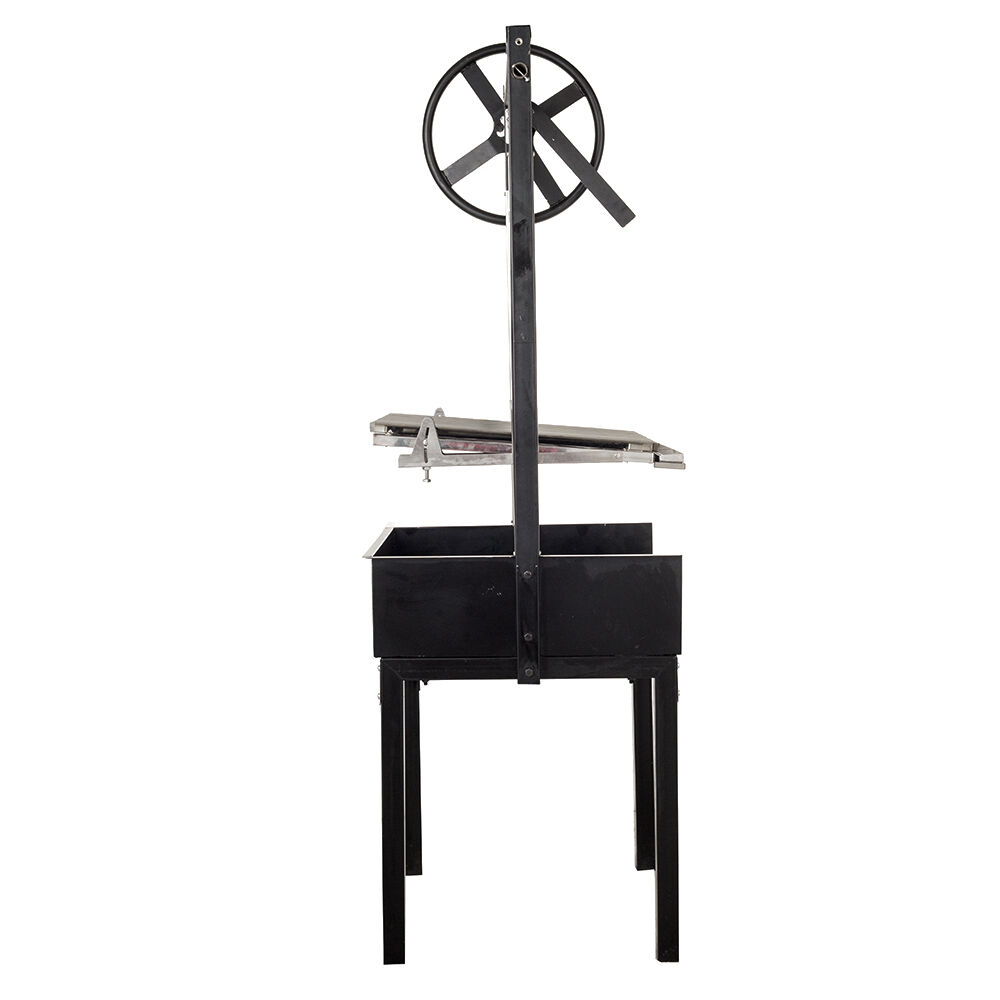
The authentic Santa Maria barbecue tradition represents one of America's most cherished regional cooking styles, and selecting the right equipment is essential for achieving that distinctive smoky flavor. A properly designed santa maria bbq grill combines traditional craftsmanship with modern functionality to deliver exceptional outdoor cooking experiences. This comprehensive guide examines the top models available today, helping you make an informed decision for your backyard barbecue setup.
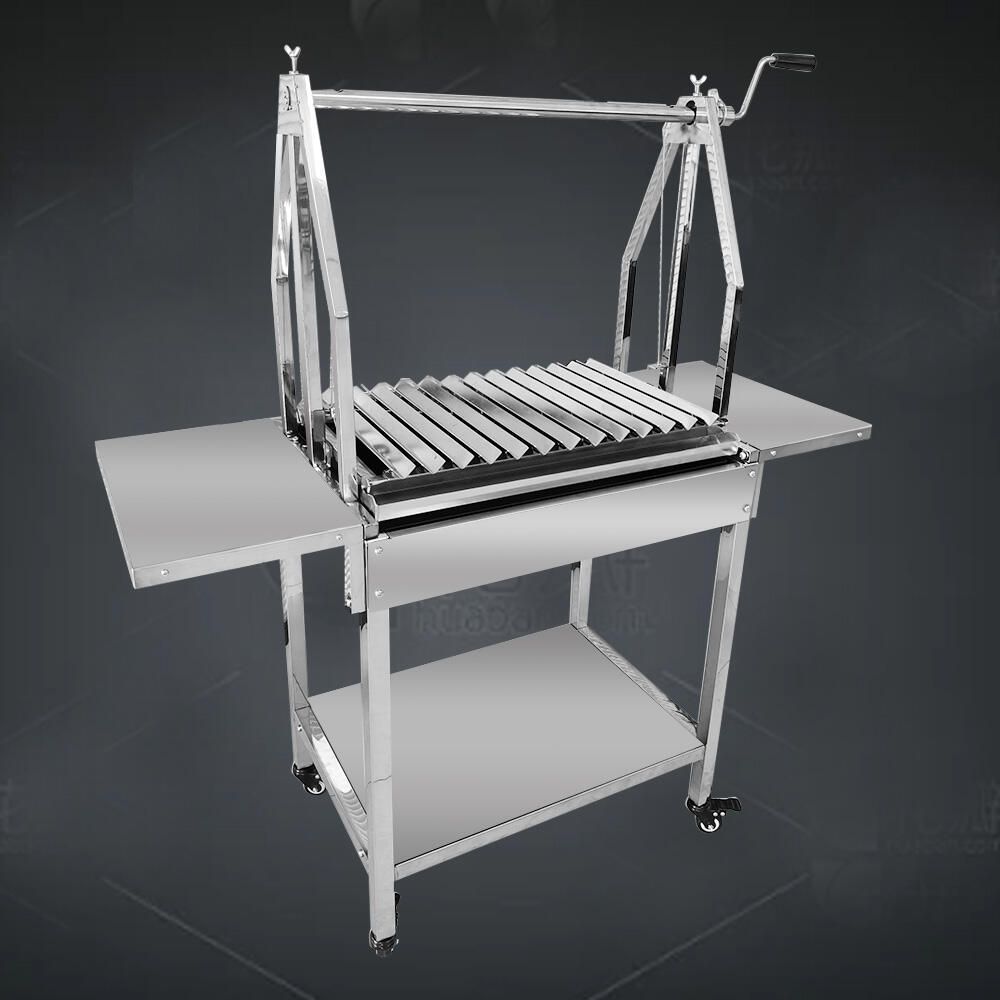
Understanding Santa Maria Grilling Fundamentals
Historical Origins and Cooking Philosophy
Santa Maria grilling originated in California's Central Coast region during the mid-1800s, when Spanish vaqueros developed unique cooking methods for preparing beef over red oak fires. This traditional approach emphasizes simple seasoning, typically just salt, pepper, and garlic, allowing the natural flavors of quality meat to shine through. The cooking method relies on adjustable grates that can be raised or lowered to control heat intensity, creating perfectly seared exteriors while maintaining tender, juicy interiors.
The authentic Santa Maria experience requires specific equipment features that distinguish these grills from conventional barbecue units. The signature element is the adjustable cooking grate system, which allows pitmasters to precisely control the distance between food and fire. This mechanical advantage enables consistent results regardless of fuel variations or weather conditions, making it an essential feature for serious outdoor cooking enthusiasts.
Essential Design Elements
Modern Santa Maria grills incorporate several key design elements that honor traditional cooking methods while embracing contemporary materials and construction techniques. The firebox typically features thick steel construction with excellent heat retention properties, ensuring consistent temperatures throughout extended cooking sessions. Proper ventilation systems allow precise airflow control, which directly impacts flame intensity and smoke production.
The adjustable grate mechanism represents the heart of any quality santa maria bbq grill, utilizing either wheel-and-crank systems or lever-operated designs. Premium models feature heavy-duty steel grates with reinforced construction that can support substantial weight while maintaining structural integrity under high heat conditions. Additionally, many contemporary designs include convenient features like removable ash pans, built-in thermometers, and side shelves for food preparation and serving.
Top Santa Maria Grill Models Analysis
Heavy-Duty Commercial Grade Options
Professional-grade Santa Maria grills designed for commercial applications or serious home enthusiasts typically feature robust construction with thick steel fireboxes and heavy-duty grate systems. These units often incorporate advanced ventilation controls, allowing precise temperature management for various cooking techniques. The investment in commercial-grade equipment pays dividends through superior durability, consistent performance, and the ability to handle large quantities of food simultaneously.
Leading manufacturers in this category focus on precision engineering and premium materials to deliver restaurant-quality results in residential settings. These grills typically feature oversized cooking surfaces, multiple height adjustment positions, and reinforced structural components designed to withstand frequent use. The enhanced build quality translates to decades of reliable service, making them excellent long-term investments for dedicated barbecue enthusiasts.
Mid-Range Residential Models
Mid-range santa maria bbq grill options strike an excellent balance between performance and affordability, making them ideal for most home cooking applications. These units typically feature solid steel construction with adequate heat retention capabilities and reliable grate adjustment mechanisms. While they may lack some premium features found in commercial models, they deliver authentic Santa Maria grilling experiences at accessible price points.
Popular features in this category include powder-coated finishes for weather resistance, convenient wheel assemblies for portability, and integrated storage solutions for utensils and accessories. Many mid-range models also incorporate thoughtful design elements like fold-down side shelves, built-in bottle openers, and easy-access ash removal systems that enhance the overall user experience without significantly impacting the purchase price.
Performance Comparison Criteria
Heat Distribution and Control
Effective heat distribution represents a critical performance factor that separates exceptional Santa Maria grills from mediocre alternatives. Premium models utilize carefully engineered firebox designs that promote even heat distribution across the entire cooking surface, eliminating hot spots that can cause uneven cooking results. The thickness and quality of steel construction directly influence heat retention characteristics and overall cooking consistency.
Advanced ventilation systems provide precise control over airflow patterns, allowing experienced grillers to manipulate fire intensity and smoke production according to specific cooking requirements. Quality models feature adjustable dampers and vents positioned to optimize combustion efficiency while maintaining stable temperatures throughout extended cooking sessions. This level of control enables versatile cooking techniques ranging from high-heat searing to low-and-slow smoking applications.
Construction Quality and Durability
Superior construction quality ensures reliable long-term performance and justifies the investment in premium Santa Maria grilling equipment. Heavy-gauge steel construction provides excellent structural integrity and heat retention while resisting warping under extreme temperature conditions. Quality welding techniques and reinforced joints contribute to overall durability and prevent premature failure of critical components.
Weather resistance features like powder-coated finishes, stainless steel components, and sealed bearing assemblies protect against corrosion and extend equipment lifespan. Premium models often include manufacturer warranties that reflect confidence in construction quality and provide peace of mind for substantial investments. Regular maintenance requirements and replacement part availability also factor into long-term ownership considerations.
Selection Factors and Recommendations
Cooking Capacity Requirements
Determining appropriate cooking capacity involves evaluating typical entertaining needs and available outdoor space constraints. Smaller residential models typically accommodate 6-8 people comfortably, while larger units can handle parties of 15-20 guests or more. The cooking surface dimensions directly impact the variety and quantity of foods that can be prepared simultaneously, affecting meal planning flexibility and serving efficiency.
Consider future entertaining plans when selecting grill size, as upgrading later involves significant additional investment. Oversized units may seem appealing, but they require more fuel consumption and longer preheating times for smaller meals. Conversely, undersized grills limit cooking flexibility and may necessitate multiple cooking batches for larger gatherings, potentially affecting food quality and timing coordination.
Budget Considerations and Value Assessment
Establishing a realistic budget involves balancing desired features with available financial resources while considering long-term value propositions. Entry-level Santa Maria grills provide authentic cooking experiences at affordable prices but may require more frequent maintenance and eventual replacement. Mid-range options typically offer the best value combination of performance, durability, and features for most residential applications.
Premium models command higher initial investments but deliver superior performance, enhanced durability, and advanced features that justify the additional cost for serious barbecue enthusiasts. Factor in ongoing operational costs including fuel consumption, maintenance requirements, and potential accessory purchases when calculating total ownership expenses. Quality equipment often provides better long-term value despite higher upfront costs.
Installation and Maintenance Guidelines
Proper Setup and Safety Considerations
Proper installation ensures optimal performance and safe operation throughout the grill's service life. Select level surfaces with adequate clearance from structures, vegetation, and combustible materials according to manufacturer specifications and local fire codes. Ensure proper ventilation around the unit to prevent heat buildup and allow safe operation in various weather conditions.
Safety equipment including fire extinguishers, protective gloves, and long-handled utensils should be readily accessible during cooking operations. Establish clear safety protocols for fuel handling, fire management, and emergency procedures before beginning cooking activities. Regular safety inspections help identify potential issues before they become serious problems that could affect equipment performance or operator safety.
Routine Maintenance Procedures
Regular maintenance extends equipment lifespan and maintains optimal cooking performance throughout years of service. Clean cooking grates after each use to prevent buildup of grease and food residue that can affect flavor and create fire hazards. Remove ash deposits from the firebox regularly to maintain proper airflow and prevent corrosion of internal components.
Lubricate moving parts including grate adjustment mechanisms and wheel assemblies according to manufacturer recommendations to ensure smooth operation and prevent premature wear. Inspect structural components periodically for signs of damage, corrosion, or loose connections that could affect safety or performance. Cover or store the grill properly during extended periods of non-use to protect against weather damage and extend service life.
FAQ
What makes a Santa Maria grill different from regular barbecue grills
Santa Maria grills feature adjustable cooking grates that can be raised or lowered to control heat intensity, allowing precise temperature management without adjusting the fire itself. This unique design element, combined with open-flame cooking over hardwood fuels, creates the distinctive flavors associated with authentic Santa Maria barbecue. The grills also typically feature larger cooking surfaces and robust construction designed for extended high-heat cooking sessions.
How much space do I need for a Santa Maria grill installation
Most Santa Maria grills require minimum clearances of 3-5 feet from structures and combustible materials on all sides for safe operation. The exact spacing depends on the specific model size and local fire codes, but adequate ventilation space is essential for proper airflow and heat dissipation. Consider additional space for food preparation areas, utensil storage, and guest circulation when planning your outdoor cooking area layout.
What type of fuel works best for Santa Maria grilling
Traditional Santa Maria grilling uses red oak wood for authentic flavor, but other hardwoods like hickory, cherry, or apple also produce excellent results. Avoid softwoods and treated lumber that can impart unpleasant flavors or release harmful chemicals. Charcoal can substitute for wood in some applications, but hardwood provides the most authentic flavor profile and cooking experience associated with traditional Santa Maria barbecue.
How do I maintain consistent temperatures during long cooking sessions
Maintaining consistent temperatures requires proper fuel management, airflow control, and strategic use of the adjustable grate system. Start with a good bed of coals, add wood gradually to maintain heat levels, and adjust grate height to compensate for temperature variations. Monitor internal grill temperatures with reliable thermometers and learn to read visual cues like flame color and smoke production to anticipate temperature changes before they affect cooking results.