
 EN
EN
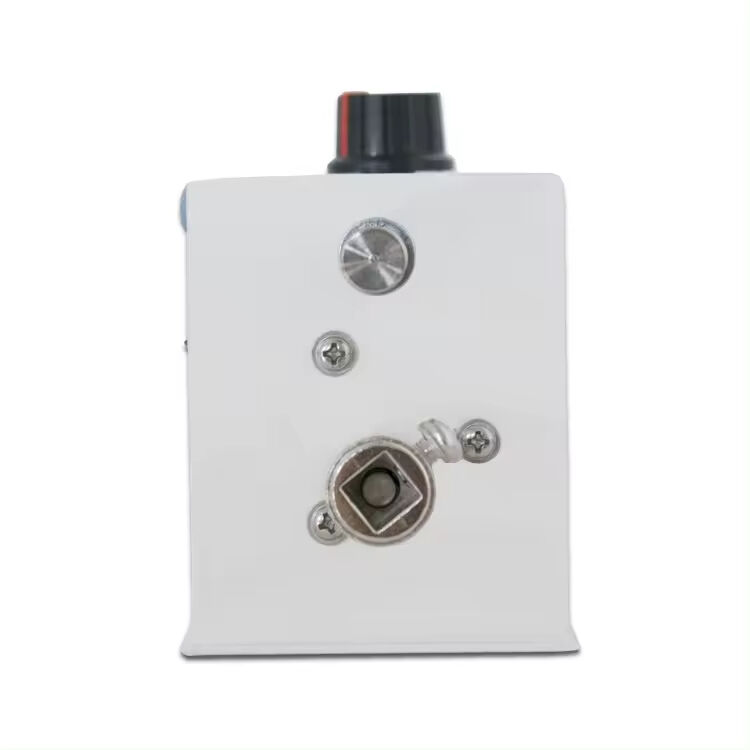
Selecting the right rotisserie motor for your outdoor cooking setup can transform your grilling experience from ordinary to extraordinary. A quality rotisserie motor ensures even cooking, perfect browning, and succulent results that will impress family and friends. Whether you're planning to roast a whole chicken, prepare a prime rib, or experiment with various cuts of meat, understanding the key features and specifications of a rotisserie motor is essential for making an informed purchase decision.
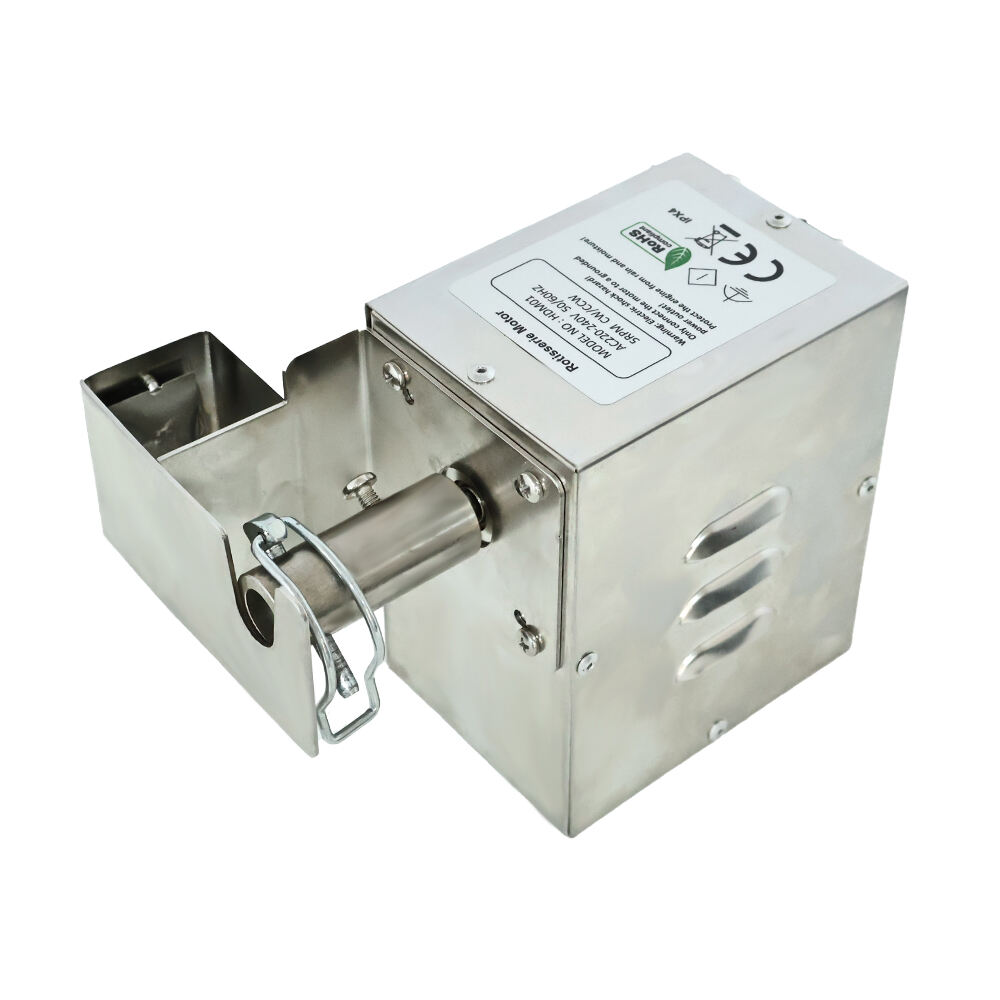
Understanding Rotisserie Motor Fundamentals
Motor Power and Torque Specifications
The power output of your rotisserie motor directly impacts its ability to handle different food weights and maintain consistent rotation speeds. Most residential rotisserie motors operate between 4 to 15 watts, with higher wattage units providing greater torque for heavier loads. When evaluating motor specifications, consider that a standard rotisserie motor should comfortably handle loads ranging from 15 to 50 pounds, depending on the model and construction quality.
Torque measurements, typically expressed in inch-pounds or newton-meters, indicate the rotational force your motor can generate. A rotisserie motor with adequate torque ensures smooth operation even when cooking large roasts or multiple items simultaneously. Professional-grade units often feature gear reduction systems that multiply torque while maintaining optimal rotation speeds for even cooking results.
Speed Control and Rotation Consistency
Variable speed control allows you to adjust the rotation rate based on the type and size of food being prepared. Most quality rotisserie motors offer rotation speeds between 2 to 6 RPM, with slower speeds generally preferred for larger cuts that require extended cooking times. Consistent rotation is crucial for achieving uniform browning and preventing hot spots that can lead to uneven cooking results.
Advanced rotisserie motor models incorporate electronic speed regulation that maintains consistent rotation regardless of load variations or temperature changes. This technology ensures your food continues rotating at the selected speed throughout the entire cooking process, resulting in professional-quality results every time you use your rotisserie setup.
Essential Features for Optimal Performance
Weather Resistance and Durability
Outdoor cooking environments expose rotisserie motors to various weather conditions, making weather resistance a critical consideration. Look for models featuring sealed housings, corrosion-resistant materials, and IP-rated protection against moisture and dust infiltration. Stainless steel construction or powder-coated aluminum housings provide excellent longevity while maintaining aesthetic appeal over years of regular use.
Temperature tolerance is another crucial factor, as rotisserie motors must operate reliably in high-heat environments near grills and smokers. Quality units are designed to function effectively in temperatures ranging from freezing conditions to over 200 degrees Fahrenheit, ensuring reliable performance across diverse cooking scenarios and seasonal variations.
Power Source Options and Flexibility
Modern rotisserie motor designs offer multiple power source options to accommodate different outdoor cooking setups. AC-powered models provide consistent performance when electrical outlets are available, while battery-operated units offer portability for camping trips or remote cooking locations. Some versatile models accept both power sources, providing maximum flexibility for various cooking environments.
Battery-powered rotisserie motor options typically utilize rechargeable lithium-ion batteries that can operate for 8 to 12 hours on a single charge. Consider the runtime requirements for your typical cooking sessions when evaluating battery-powered models, and look for units that include battery level indicators to prevent unexpected power loss during cooking.
Installation and Compatibility Considerations
Mounting Systems and Adjustment Mechanisms
The mounting system determines how securely and easily your rotisserie motor attaches to your grill or cooking setup. Universal mounting brackets accommodate various grill types and sizes, while adjustable height and distance settings ensure proper alignment with your rotisserie spit rod. Quality mounting systems feature tool-free adjustments that allow quick setup and repositioning as needed.
Consider the stability and vibration resistance of the mounting system, as excessive movement can affect cooking results and motor longevity. Heavy-duty clamps and reinforced brackets provide secure attachment even when handling substantial food loads, while quick-release mechanisms facilitate easy removal for cleaning and storage between uses.
Spit Rod Compatibility and Accessories
Ensure your chosen rotisserie motor is compatible with standard spit rod diameters and lengths commonly used in outdoor cooking. Most models accommodate 1/2-inch or 5/8-inch diameter rods, though some heavy-duty units support larger sizes for commercial applications. The motor's drive mechanism should securely engage the spit rod without slipping, even when handling maximum weight loads.
Accessory compatibility expands the versatility of your rotisserie motor setup. Look for models that work with various forks, baskets, and specialty attachments designed for different food types. Comprehensive accessory packages often include multiple fork sets, counterbalance weights, and specialized holders for irregular-shaped items.
Performance Optimization and Maintenance
Load Balancing and Weight Distribution
Proper load balancing is essential for optimal rotisserie motor performance and longevity. Unbalanced loads create excessive strain on motor components and can result in uneven cooking or premature motor failure. Use adjustable forks and counterweights to achieve proper balance, ensuring the loaded spit rod rotates smoothly without wobbling or hesitation.
Weight distribution techniques vary depending on the food type and cooking method. For whole poultry, center the bird on the spit rod and secure with properly positioned forks. When cooking multiple items simultaneously, arrange them symmetrically around the spit rod and use counterbalances to compensate for any weight differences between items.
Maintenance Requirements and Longevity
Regular maintenance ensures your rotisserie motor continues delivering reliable performance over many years of use. Clean the exterior housing after each use to prevent grease and debris accumulation that can interfere with ventilation and cooling systems. Inspect electrical connections periodically and ensure all mounting hardware remains tight and secure.
Lubrication requirements vary by model, with some rotisserie motor designs featuring sealed bearings that require no maintenance, while others benefit from periodic lubrication of moving parts. Follow manufacturer recommendations for maintenance intervals and use only approved lubricants that won't compromise food safety or motor performance in high-temperature environments.
Advanced Features and Technology Integration
Smart Controls and Remote Operation
Contemporary rotisserie motor designs increasingly incorporate smart technology features that enhance user convenience and cooking precision. Wireless remote controls allow you to start, stop, or adjust rotation speed from a distance, eliminating the need to approach the hot grill frequently. Some advanced models feature smartphone app integration that provides real-time monitoring and control capabilities.
Timer functions and automatic shut-off features prevent overcooking and provide peace of mind during extended cooking sessions. Programmable rotation patterns can accommodate specific recipes that require varied speeds during different cooking phases, while digital displays provide clear feedback on current settings and remaining cook times.
Safety Features and Protection Systems
Modern rotisserie motor designs incorporate multiple safety features to protect both users and equipment during operation. Thermal protection systems automatically shut down the motor if operating temperatures exceed safe limits, preventing damage from extreme heat exposure. Overload protection prevents motor damage when excessive resistance is encountered during operation.
Emergency stop mechanisms provide immediate shutdown capability in case of malfunction or safety concerns. Ground fault protection and insulated construction minimize electrical hazards in outdoor environments where moisture and temperature extremes are common. These safety features ensure reliable operation while protecting your investment in quality rotisserie motor equipment.
Cost Considerations and Value Assessment
Price Ranges and Feature Comparison
Rotisserie motor prices vary significantly based on power output, build quality, and included features. Entry-level models typically range from 50 to 100 dollars and provide basic functionality suitable for occasional use and lighter loads. Mid-range units priced between 100 to 250 dollars offer enhanced durability, variable speed control, and better weather resistance for regular outdoor cooking enthusiasts.
Premium rotisserie motor models commanding prices above 250 dollars feature commercial-grade construction, advanced control systems, and comprehensive warranty coverage. These units justify their higher cost through superior performance, extended lifespan, and ability to handle demanding cooking applications that would overwhelm less expensive alternatives.
Long-term Value and Return on Investment
Investing in a quality rotisserie motor provides substantial long-term value through enhanced cooking capabilities and food quality improvements. The ability to prepare restaurant-quality roasted meats at home can result in significant savings compared to dining out or purchasing pre-prepared rotisserie items from grocery stores. Additionally, the versatility of rotisserie cooking expands your culinary repertoire and entertaining options.
Consider the frequency of use when evaluating rotisserie motor options, as heavy users benefit more from investing in premium models with superior durability and performance capabilities. Factor in potential energy savings from efficient motor designs and the convenience of automated cooking that allows you to focus on other food preparation tasks while your rotisserie motor handles the roasting process.
FAQ
What weight capacity should I look for in a rotisserie motor
Most residential rotisserie motors are designed to handle loads between 15 to 50 pounds, which accommodates everything from whole chickens to large roasts. Choose a motor with capacity that exceeds your typical cooking needs by at least 25% to ensure smooth operation and prevent strain on motor components. Heavy-duty models capable of handling 75 pounds or more are available for commercial applications or frequent large-scale cooking.
Can I use a rotisserie motor in wet weather conditions
Quality rotisserie motors feature weather-resistant construction that allows operation in light rain or humid conditions. However, avoid exposing the motor to direct water spray or submersion, as this can damage electrical components and void warranty coverage. If cooking in wet conditions is necessary, consider models with higher IP ratings or use protective covers to shield the motor housing from moisture.
How do I determine if my grill is compatible with a rotisserie motor
Check your grill's specifications for rotisserie compatibility and available mounting points. Most gas grills with enclosed fireboxes can accommodate rotisserie motors using universal mounting brackets. Measure the available space and ensure adequate clearance for spit rod installation and food rotation. Consult your grill manufacturer's recommendations for compatible rotisserie motor models and accessories.
What maintenance is required to keep a rotisserie motor functioning properly
Regular cleaning of the exterior housing and inspection of electrical connections are the primary maintenance requirements for most rotisserie motors. Remove grease and debris buildup after each use and check that all mounting hardware remains secure. Some models may require periodic lubrication of moving parts, while others feature sealed systems requiring no routine maintenance. Always follow manufacturer guidelines for specific maintenance procedures and recommended service intervals.