
 EN
EN
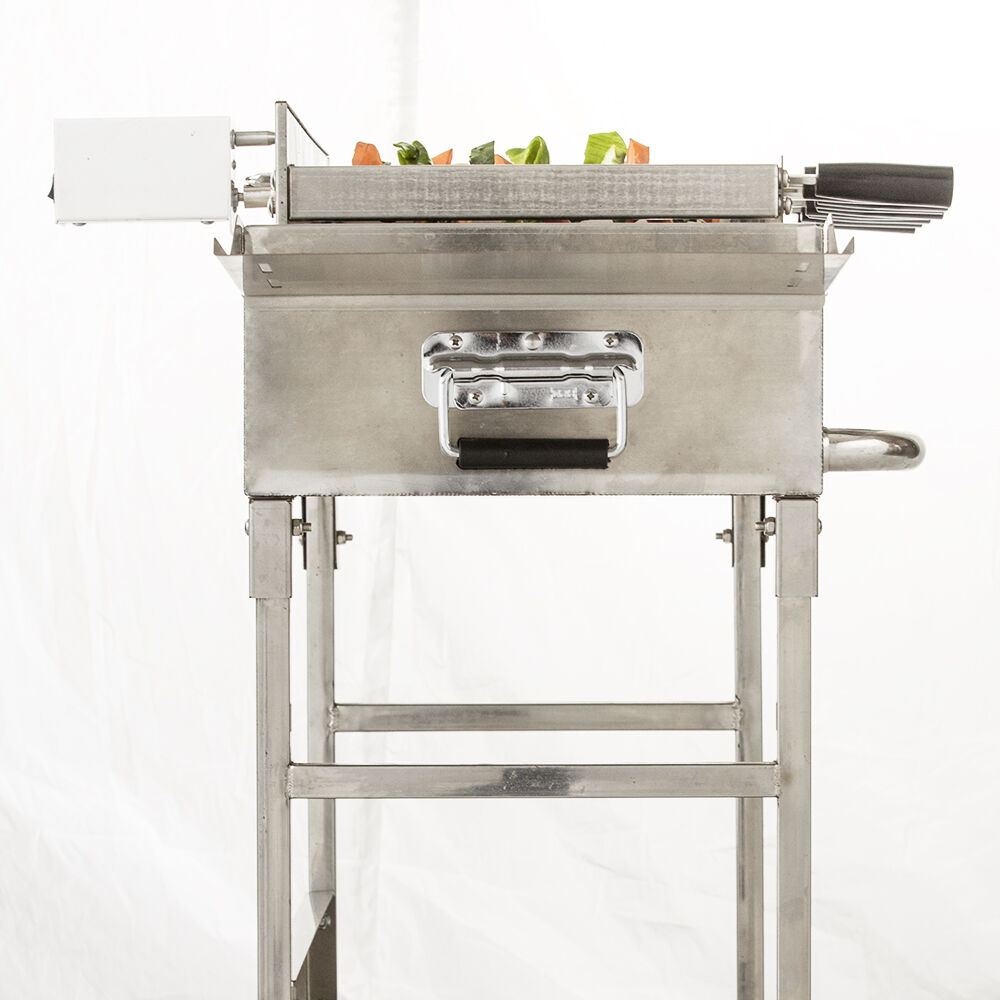
The world of outdoor cooking has evolved dramatically over recent decades, with grilling enthusiasts constantly seeking equipment that delivers superior flavor and authentic cooking experiences. While traditional gas and charcoal grills have dominated backyard barbecue setups for generations, a growing number of pitmasters and home cooks are discovering the exceptional benefits of Argentine-style grilling systems. An argentine bbq grill represents a fundamentally different approach to outdoor cooking, one that prioritizes wood-fired heat, precise temperature control, and the rich smoky flavors that have made South American barbecue legendary worldwide.
Understanding Argentine Grilling Traditions
Historical Origins of Argentine Barbecue
Argentine grilling, known locally as asado, emerged from the gaucho culture of the Pampas region during the 18th and 19th centuries. These skilled horsemen developed cooking techniques that maximized flavor from simple ingredients using nothing more than wood, fire, and salt. The traditional argentine bbq grill design reflects centuries of refinement, incorporating features that allow for precise heat management and extended cooking sessions. Unlike modern gas grills that prioritize convenience, Argentine systems emphasize the ritualistic aspects of fire building and temperature control that transform cooking into a meditative art form.
The cultural significance of asado extends far beyond mere food preparation, representing social gathering, family bonding, and celebration of community. This heritage influences every aspect of argentine bbq grill construction, from the heavy-duty steel construction that retains heat efficiently to the adjustable cooking grates that accommodate different cuts of meat simultaneously. Understanding this cultural context helps explain why enthusiasts often prefer Argentine-style equipment over conventional alternatives, as the cooking process itself becomes part of the dining experience.
Key Design Elements and Features
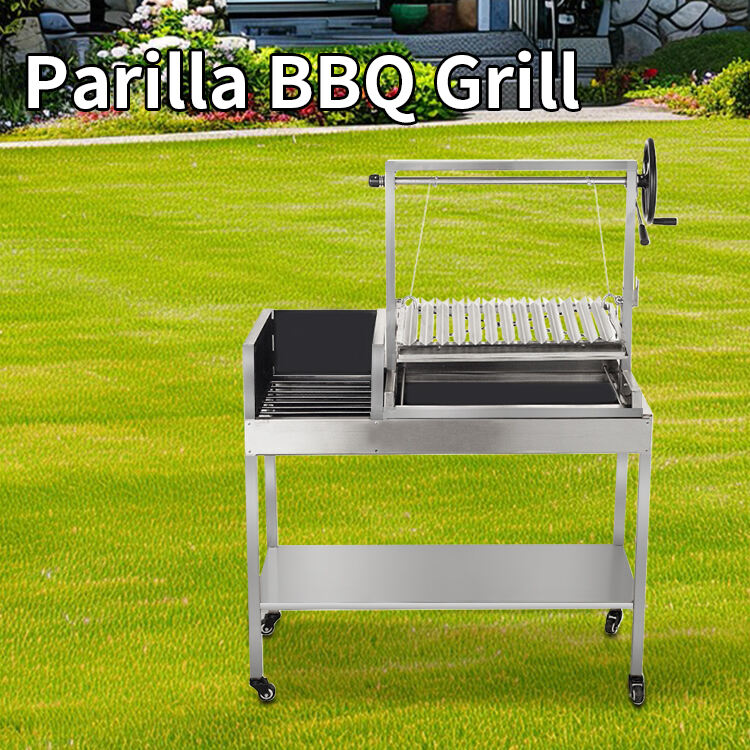
The distinctive architecture of an argentine bbq grill incorporates several essential components that differentiate it from traditional barbecue equipment. The firebox typically sits adjacent to or below the cooking surface, allowing heat and smoke to flow naturally across the food without direct flame contact. This indirect heating method prevents charring while ensuring even temperature distribution across the entire cooking area. The adjustable grate system represents another crucial feature, enabling cooks to raise or lower food items based on desired cooking intensity and timing requirements.
Most authentic Argentine grills feature thick steel construction that absorbs and radiates heat evenly, creating consistent cooking conditions throughout extended sessions. The chimney design promotes proper airflow while preventing excessive heat loss, maintaining optimal temperatures for hours without constant fuel additions. These engineering principles reflect generations of practical experience, resulting in equipment that performs reliably under various weather conditions and cooking scenarios.
Comparing Performance Characteristics
Heat Distribution and Temperature Control
Temperature management represents perhaps the most significant difference between Argentine and traditional grilling systems. Conventional gas grills offer instant heat adjustment through burner controls, providing immediate response to temperature changes. However, this convenience comes at the cost of flavor complexity, as gas combustion produces minimal smoke and lacks the nuanced heat characteristics of wood fire. An argentine bbq grill requires more skill and patience to master but rewards users with superior temperature stability and the ability to maintain consistent heat levels for hours without constant adjustment.
The thermal mass of Argentine-style equipment creates natural temperature buffering that prevents the dramatic heat fluctuations common in lightweight traditional grills. This stability proves particularly valuable when cooking large cuts of meat that require extended cooking times, such as whole chickens, roasts, or multiple steaks simultaneously. The radiant heat from thick steel surfaces cooks food more evenly than direct flame contact, reducing hot spots and ensuring consistent results across the entire cooking surface.
Fuel Efficiency and Operating Costs
Operating cost considerations often influence grill selection decisions, particularly for frequent users who host regular gatherings or operate commercial establishments. Traditional gas grills offer predictable fuel costs through propane tank refills, with usage rates that correlate directly to cooking time and temperature settings. Electric models provide even more precise cost control but lack the authentic flavors associated with combustion cooking methods. An argentine bbq grill operates exclusively on wood or charcoal, with fuel costs varying significantly based on local availability and quality preferences.
Wood-fired cooking typically requires more fuel volume than gas alternatives, but hardwood sources often cost less per cooking session than propane refills when purchased in bulk quantities. The superior heat retention of Argentine grill construction maximizes fuel efficiency by maintaining cooking temperatures longer with less frequent fuel additions. This efficiency becomes more pronounced during extended cooking sessions, where traditional grills might require continuous gas flow while an argentine bbq grill maintains heat through residual thermal energy stored in its steel mass.
Flavor Profile and Cooking Versatility
Smoke Generation and Flavor Development
The fundamental difference in flavor production between Argentine and traditional grilling systems stems from their respective fuel sources and combustion characteristics. Gas grills produce clean-burning flames that generate minimal smoke, relying primarily on direct heat transfer and any added wood chips for flavor enhancement. Charcoal grills offer improved flavor over gas but still lack the complex smoke profiles achievable through hardwood combustion. An argentine bbq grill creates rich, sustained smoke throughout the cooking process, infusing food with deep, complex flavors that cannot be replicated through other methods.
Different hardwood varieties impart distinct flavor characteristics, allowing experienced cooks to customize taste profiles based on food type and personal preferences. Oak provides mild, balanced smoke suitable for delicate proteins, while hickory delivers robust flavor perfect for red meat applications. Fruit woods like apple or cherry contribute subtle sweetness that complements pork and poultry preparations. This flavor customization capability represents a significant advantage of wood-fired cooking that gas and even charcoal alternatives cannot match.
Cooking Method Adaptability
Versatility in cooking techniques often determines long-term satisfaction with grilling equipment, as users discover new applications beyond basic grilling operations. Traditional gas grills excel at quick, high-heat cooking for burgers, hot dogs, and vegetables but struggle with low-and-slow preparations that require sustained, gentle heat. Charcoal grills offer improved versatility through heat zone creation but require frequent fuel management for extended cooking sessions. An argentine bbq grill accommodates virtually every outdoor cooking method, from high-heat searing to low-temperature smoking, roasting, and even baking applications.
The adjustable grate system allows simultaneous preparation of foods requiring different cooking intensities, maximizing efficiency during large gatherings. Vegetables can cook gently on raised grates while steaks sear over intense heat zones, all within the same cooking session. This flexibility eliminates the need for multiple cooking appliances and enables complex menu preparation using a single piece of equipment.
Installation and Maintenance Requirements
Setup Complexity and Space Considerations
Installation requirements vary dramatically between Argentine and traditional grilling systems, influencing both initial setup costs and long-term usability. Standard gas grills typically require only propane tank connection and basic assembly, making them suitable for apartment balconies, small patios, and temporary installations. Electric grills offer even simpler setup through standard electrical connections but may require dedicated circuits for high-powered models. An argentine bbq grill demands more substantial installation considerations, including adequate ventilation, fire-safe clearances, and often permanent positioning due to substantial weight and size.
Space requirements for Argentine-style equipment extend beyond the grill itself to include wood storage areas, ash disposal systems, and sufficient clearance for safe operation. These installations work best in dedicated outdoor cooking areas with concrete pads or permanent foundations capable of supporting substantial weight loads. While these requirements may limit placement options, they also create opportunities for designing comprehensive outdoor kitchens that serve as entertainment focal points.
Cleaning and Maintenance Protocols
Maintenance demands represent another crucial comparison factor, particularly for users who prioritize convenience and minimal upkeep requirements. Gas grills require periodic cleaning of cooking grates, drip pans, and exterior surfaces, with occasional maintenance of gas lines and ignition systems. The enclosed design of most gas units protects internal components from weather exposure, reducing corrosion and extending service life with minimal intervention. An argentine bbq grill requires more intensive maintenance due to constant exposure to high temperatures, moisture, and combustion byproducts.
Regular maintenance tasks include ash removal, grate cleaning, and steel surface treatment to prevent rust formation. However, the robust construction of quality Argentine grills often provides superior longevity compared to conventional alternatives, with many units serving multiple generations when properly maintained. The maintenance requirements also contribute to the ritualistic aspects of Argentine grilling, where equipment care becomes part of the overall cooking tradition.
Cost Analysis and Investment Considerations
Initial Purchase Price Comparison
Financial investment levels vary significantly across different grilling system categories, with entry-level options available in most segments alongside premium models that command substantial price premiums. Basic gas grills start at relatively modest price points and scale upward based on size, features, and construction quality. Mid-range options typically offer adequate performance for casual users, while high-end models incorporate commercial-grade components and advanced features. An argentine bbq grill generally requires higher initial investment due to heavy-duty construction requirements and specialized design elements that demand premium materials and manufacturing processes.
However, cost-per-use calculations often favor Argentine equipment over extended ownership periods, particularly for frequent users who appreciate superior cooking performance and equipment longevity. The substantial construction typical of authentic Argentine grills provides decades of reliable service, while lighter traditional grills may require replacement every few years under regular use conditions. This durability factor significantly impacts total ownership costs when evaluated over realistic equipment lifespans.
Long-term Value Proposition
Investment evaluation extends beyond purchase price to encompass factors like resale value, repair costs, and performance consistency over time. Traditional grills often depreciate rapidly due to technological obsolescence, component wear, and style changes that make older models appear dated. Gas grill components like burners, ignition systems, and control valves frequently require replacement, generating ongoing maintenance expenses throughout ownership periods. An argentine bbq grill maintains value better due to timeless design principles and robust construction that improves with age and seasoning.
The learning curve associated with Argentine grilling techniques also represents an investment in skill development that enhances cooking capabilities and food quality over time. Users who master wood-fired cooking methods often find traditional grilling methods unsatisfying by comparison, making the initial investment worthwhile from both culinary and personal satisfaction perspectives. This skill development creates lasting value that extends far beyond equipment ownership periods.
FAQ
How long does it take to learn proper Argentine grilling techniques
Learning basic Argentine grilling skills typically requires several months of regular practice, though competency levels vary based on prior cooking experience and frequency of use. Most beginners can achieve acceptable results within their first few cooking sessions, but mastering advanced techniques like fire management and timing coordination takes considerably longer. An argentine bbq grill rewards patience and practice with consistently improving results as users develop intuitive understanding of heat control and timing relationships.
Can Argentine grills work effectively in cold weather conditions
Argentine grilling systems actually perform better than many traditional alternatives in cold weather due to their superior heat retention characteristics and wind-resistant design features. The substantial thermal mass of quality construction maintains stable cooking temperatures despite external weather conditions, while enclosed fireboxes protect flame stability from wind interference. Cold weather operation may require slightly more fuel consumption and longer preheating periods, but cooking performance remains excellent throughout winter months.
What types of wood work best for Argentine-style cooking
Hardwood varieties like oak, hickory, maple, and fruit woods provide optimal results in Argentine grilling applications, offering sustained burn characteristics and desirable flavor profiles. Oak serves as an excellent all-purpose choice for beginners due to its mild flavor and consistent burning properties, while experienced users often blend different wood types to create custom flavor combinations. An argentine bbq grill performs best with well-seasoned hardwood that burns cleanly without excessive smoke production or rapid consumption rates.
Are Argentine grills suitable for small outdoor spaces
Compact Argentine grill models are available for smaller outdoor areas, though they may sacrifice some cooking capacity and heat retention compared to full-sized units. Urban dwellers should verify local fire regulations and obtain necessary permits before installing wood-fired cooking equipment, as some jurisdictions restrict open flame appliances in densely populated areas. Portable Argentine-style grills offer compromise solutions that provide authentic cooking experiences while maintaining mobility and storage convenience for space-constrained situations.