
 EN
EN
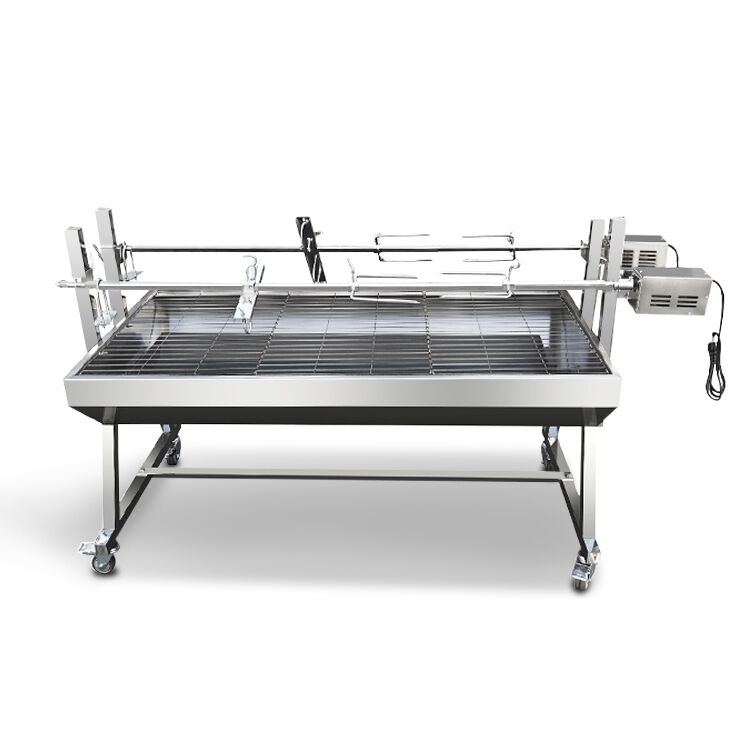
Choosing the right barbecue grills can transform your outdoor cooking experience from ordinary to extraordinary. The debate between gas and charcoal barbecue grills has been ongoing among grilling enthusiasts for decades, with each type offering distinct advantages that cater to different cooking styles and preferences. Whether you're a weekend warrior looking to impress family and friends or a serious pitmaster seeking the perfect sear, understanding the fundamental differences between these two popular grilling methods is essential for making an informed decision.
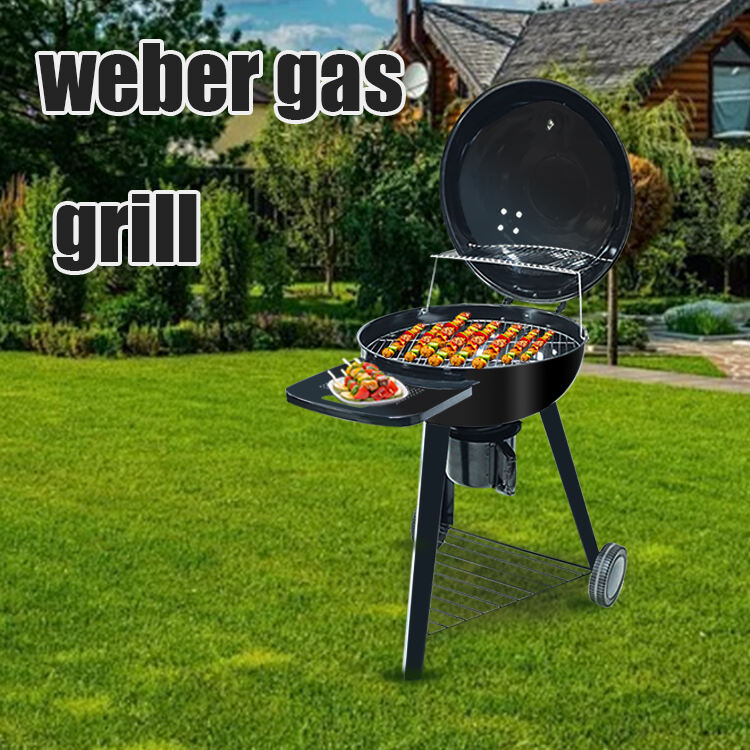
Modern barbecue grills have evolved significantly from their humble beginnings, incorporating advanced technologies and design features that enhance both performance and user experience. Gas models offer unparalleled convenience with instant ignition and precise temperature control, while charcoal variants deliver that unmistakable smoky flavor that many consider the hallmark of authentic barbecue. The choice between these two types often comes down to personal priorities, cooking frequency, available space, and budget considerations.
Understanding Gas Barbecue Grills
Convenience and Control Features
Gas barbecue grills excel in providing immediate heat and consistent temperature control throughout the cooking process. These units typically connect to propane tanks or natural gas lines, allowing users to start grilling within minutes of turning a knob. The precision offered by gas barbecue grills makes them ideal for beginners who want predictable results without the learning curve associated with charcoal management.
Temperature regulation becomes effortless with gas systems, as most models feature multiple burners that can be adjusted independently. This capability enables zone cooking, where different areas of the grill maintain varying heat levels simultaneously. Advanced gas barbecue grills often include features like rotisserie burners, side burners for preparing sauces, and even smoker boxes that attempt to replicate the flavor characteristics of charcoal cooking.
Maintenance and Operating Costs
The maintenance requirements for gas barbecue grills are generally less intensive compared to their charcoal counterparts. Cleaning involves removing grease from drip pans and occasionally checking gas connections for safety. However, the initial investment in quality gas barbecue grills tends to be higher, and ongoing fuel costs can accumulate over time, especially for frequent users.
Safety considerations play a crucial role in gas grill operation, requiring users to understand proper propane handling and storage procedures. Regular inspection of gas lines, connections, and burner components ensures safe operation and optimal performance. Despite these requirements, most grill owners find gas systems more manageable for regular use, particularly when entertaining guests or cooking weeknight meals.
Exploring Charcoal Barbecue Grills
Flavor Profile and Cooking Experience
Charcoal barbecue grills are renowned for producing distinctive smoky flavors that gas alternatives struggle to replicate authentically. The combustion of charcoal creates complex chemical compounds that infuse food with rich, earthy tastes that many grilling purists consider essential to proper barbecue. This flavor enhancement becomes particularly noticeable when cooking meats for extended periods or when using specific charcoal types like hardwood lump charcoal.
The ritualistic aspect of charcoal grilling appeals to many enthusiasts who enjoy the process of lighting coals, managing airflow, and gradually building the perfect fire. Barbecue grills using charcoal can achieve higher temperatures than most gas models, making them superior for tasks like searing steaks or creating crispy-skinned poultry. The radiant heat from glowing coals creates unique cooking conditions that contribute to the texture and appearance of grilled foods.
Cost Considerations and Portability
Charcoal barbecue grills typically require lower initial investments compared to comparable gas models, making them attractive options for budget-conscious consumers. The ongoing costs involve purchasing charcoal and lighter fluid or fire starters, which can vary significantly based on usage frequency and charcoal quality preferences. Premium hardwood charcoals cost more but provide superior flavor enhancement and burn characteristics.
Portability represents another advantage of many charcoal barbecue grills, as basic models are often lighter and more compact than gas units. This characteristic makes them ideal for camping trips, tailgating events, or situations where permanent installation isn't practical. However, the trade-off involves longer setup times and the need to dispose of ash after each cooking session.
Performance Comparison Analysis
Heat Distribution and Temperature Management
Heat distribution patterns differ significantly between gas and charcoal barbecue grills, affecting cooking results and techniques. Gas models typically provide more uniform heat distribution across the cooking surface, reducing hot spots and ensuring consistent cooking. Multiple burner systems allow precise control over different grill zones, enabling simultaneous preparation of foods requiring various temperature levels.
Charcoal barbecue grills offer variable heat zones naturally, as coal placement and airflow adjustment create distinct temperature regions. Experienced users leverage these characteristics to their advantage, positioning foods strategically for optimal cooking results. The thermal mass of charcoal maintains steady temperatures once established, though achieving and maintaining specific temperatures requires more skill and attention than gas alternatives.
Cooking Speed and Efficiency
Time efficiency strongly favors gas barbecue grills, particularly for quick weeknight meals or impromptu gatherings. Preheating typically requires only 10-15 minutes, compared to 20-30 minutes for charcoal systems. This advantage becomes more pronounced when considering cleanup time, as gas units generate minimal ash and residue.
However, charcoal barbecue grills excel in situations requiring high heat or extended cooking periods. The sustained heat output from quality charcoal can outlast propane tanks during lengthy smoking sessions. Additionally, the ability to add fresh coals during cooking provides flexibility that gas systems cannot match, making charcoal preferable for traditional low-and-slow barbecue techniques.
Environmental and Health Considerations
Emissions and Sustainability
Environmental impact varies between gas and charcoal barbecue grills, with each type presenting different sustainability considerations. Propane burns more cleanly than charcoal, producing fewer particulate emissions and contributing less to local air pollution. Natural gas connections further reduce environmental impact by eliminating disposable propane tanks and their associated transportation emissions.
Charcoal barbecue grills generate more smoke and particulate matter, potentially affecting air quality in densely populated areas. However, sustainably sourced hardwood charcoal can be considered a renewable resource when produced from responsibly managed forests. The choice of charcoal type significantly impacts environmental considerations, with natural lump charcoal generally preferred over briquettes containing chemical additives.
Food Safety and Health Implications
Both gas and charcoal barbecue grills can produce healthy, delicious meals when used properly, though each presents unique considerations. Gas grilling typically generates fewer potentially harmful compounds associated with high-temperature cooking, as the controlled heat source reduces char formation and flare-ups that can create carcinogenic substances.
Charcoal barbecue grills require more attention to prevent excessive charring, though proper technique can minimize health concerns while maximizing flavor benefits. The key lies in understanding temperature management, using indirect heat methods when appropriate, and avoiding prolonged exposure to high-temperature flames. Regular cleaning of barbecue grills, regardless of fuel type, remains essential for maintaining food safety standards.
Making Your Decision
Lifestyle and Usage Patterns
Your grilling frequency and cooking style should heavily influence the choice between gas and charcoal barbecue grills. Frequent grillers who value convenience and consistency often prefer gas models for their ease of use and predictable results. These units excel for regular family meals, entertaining guests, and situations where time efficiency matters most.
Occasional users or barbecue enthusiasts who prioritize flavor authenticity may find charcoal barbecue grills more rewarding despite their demands for greater involvement. The ritual of charcoal grilling and the distinctive taste results justify the additional time and effort for many dedicated outdoor cooking enthusiasts. Consider your commitment level to the grilling process when making this important decision.
Space and Installation Requirements
Available outdoor space and installation constraints often determine which type of barbecue grills works best for your situation. Gas models typically require more permanent installation considerations, especially when connecting to natural gas lines. Propane versions offer more flexibility but need adequate ventilation and storage space for fuel tanks.
Charcoal barbecue grills generally require less permanent infrastructure but need consideration for ash disposal and smoke management. Urban dwellers may face restrictions on charcoal use due to fire regulations or consideration for neighbors. Evaluate your specific circumstances, including local regulations and available space, before finalizing your barbecue grills selection.
FAQ
How long do gas versus charcoal barbecue grills typically last?
Quality gas barbecue grills typically last 5-15 years with proper maintenance, depending on construction materials and usage frequency. Stainless steel models generally outlast painted steel versions. Charcoal barbecue grills can last 10-20 years or more, as they have fewer mechanical components that can fail. The longevity of both types depends largely on maintenance practices, storage conditions, and build quality.
Which type of barbecue grills is better for beginners?
Gas barbecue grills are generally more beginner-friendly due to their consistent heat output, easy ignition, and precise temperature control. New grillers can achieve good results more quickly with gas systems, as they eliminate variables associated with charcoal management. However, motivated beginners can successfully learn charcoal techniques with patience and practice, ultimately gaining deeper grilling knowledge and skills.
Can you achieve smoky flavors with gas barbecue grills?
Gas barbecue grills can produce smoky flavors through the use of smoker boxes, wood chips, or specialized smoking accessories. While the results may not exactly replicate charcoal-grilled food, many gas models include features designed to enhance flavor development. Techniques like using wood chips in foil packets or dedicated smoker boxes can add subtle smoky notes to gas-grilled foods.
What are the ongoing costs associated with each type?
Gas barbecue grills typically have higher ongoing fuel costs, with propane tanks costing $15-25 for refills and natural gas connections requiring monthly utility charges. Charcoal costs vary widely based on quality and usage, typically ranging from $10-30 per month for regular users. Additional costs for gas units may include replacement parts like burner tubes and igniters, while charcoal grills mainly require occasional grate replacement and cleaning supplies.