
 EN
EN
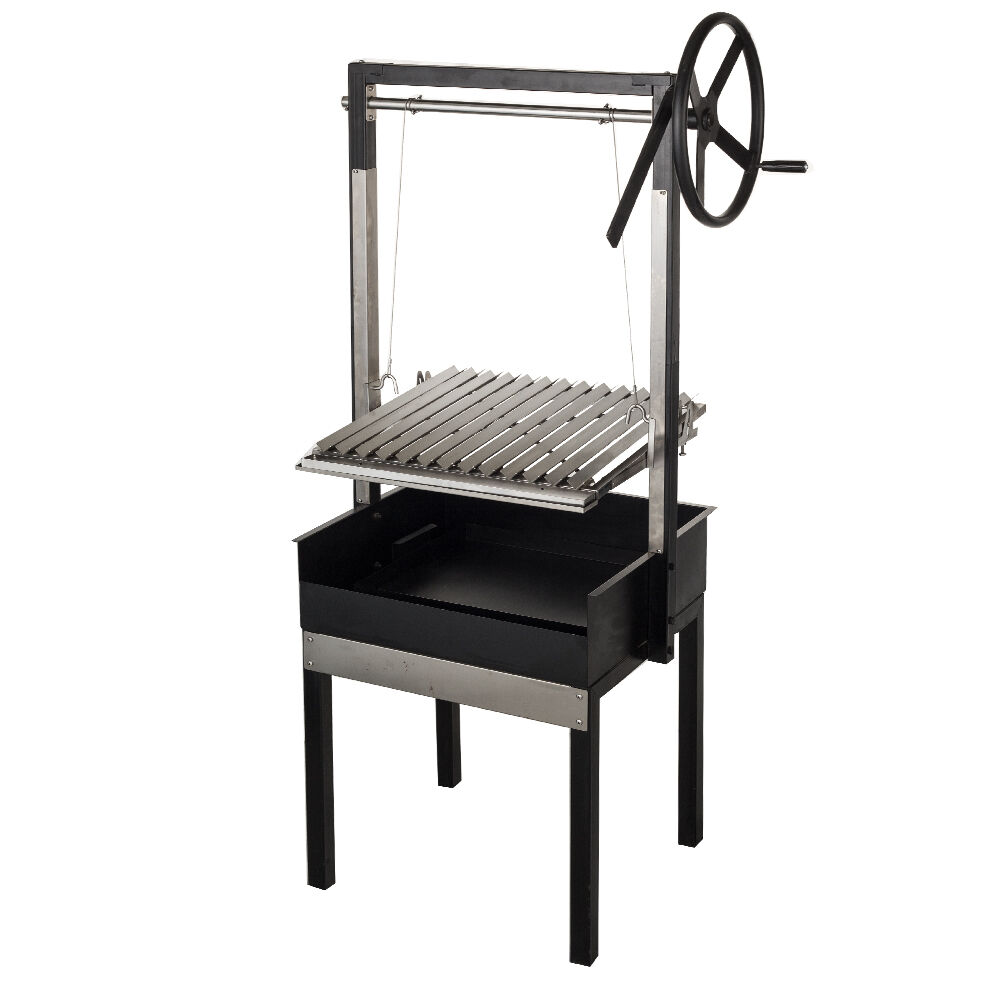
The authentic taste of California's Central Coast comes alive when you master the art of cooking with a santa maria bbq grill. This traditional grilling method has captivated barbecue enthusiasts for generations, offering unmatched flavor profiles and cooking versatility. Whether you're a seasoned pitmaster or just beginning your grilling journey, understanding the unique characteristics and techniques of Santa Maria-style barbecue will transform your outdoor cooking experience into something extraordinary.
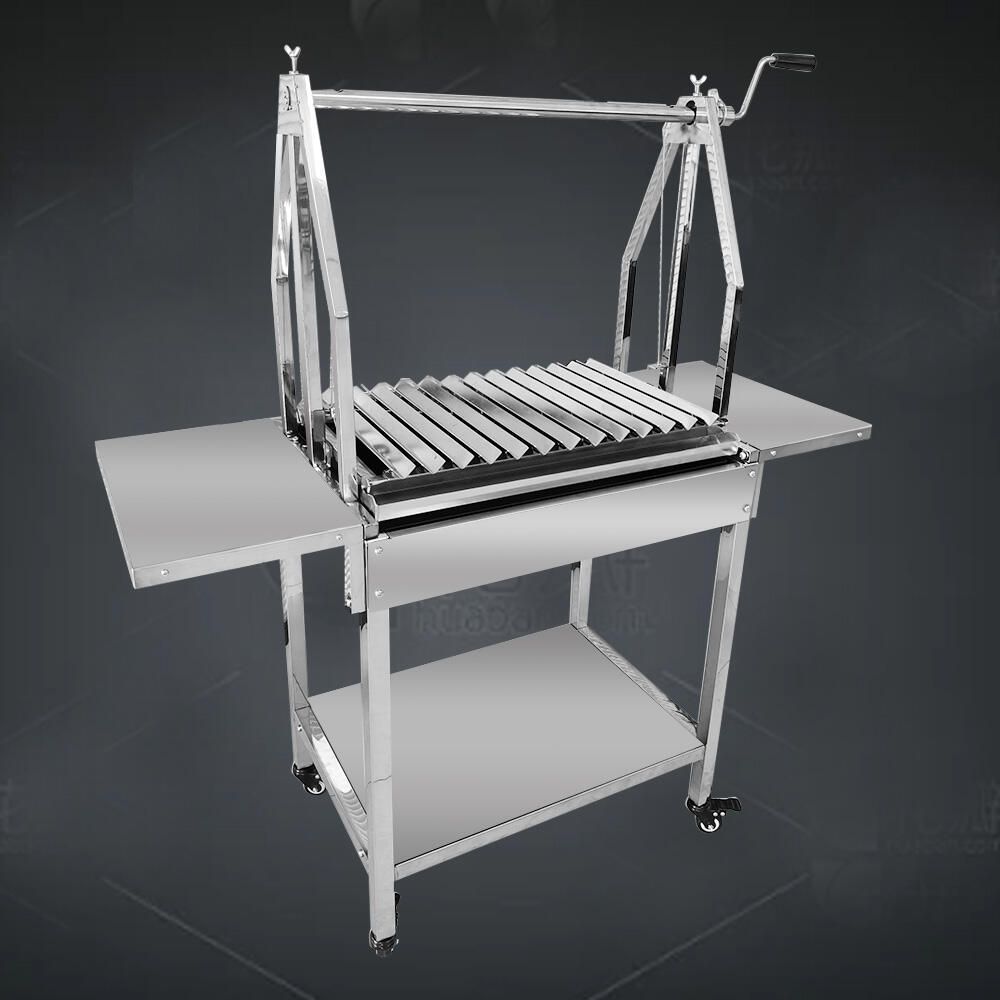
Santa Maria barbecue represents more than just a cooking method—it embodies a cultural tradition that dates back to the 1800s when Spanish vaqueros first developed this distinctive approach to grilling meat over red oak coals. The signature characteristics of this style include the use of specific wood types, simple yet flavorful seasonings, and precise temperature control that creates perfectly cooked proteins with incredible depth of flavor.
Essential Santa Maria BBQ Grill Setup and Preparation
Choosing the Right Wood for Authentic Flavor
Red oak stands as the traditional fuel choice for authentic Santa Maria barbecue, providing a mild, sweet smoke that enhances rather than overwhelms the natural flavors of your proteins. When red oak proves difficult to source, alternative hardwoods like white oak, hickory, or fruitwoods can deliver excellent results. The key lies in achieving clean-burning coals that produce consistent heat without excessive smoke that might bitter your food.
Proper wood preparation involves seasoning your chosen hardwood for at least six months to reduce moisture content and ensure clean combustion. Split your wood into manageable pieces that fit your grill's firebox, maintaining uniform sizes for consistent burning characteristics. Always avoid softwoods, treated lumber, or any wood that might contain chemicals or resins that could impart unpleasant flavors to your grilled foods.
Temperature Control and Heat Management
Mastering temperature control on your santa maria bbq grill requires understanding the relationship between coal placement, airflow, and cooking surface height. Most Santa Maria grills feature adjustable grates that allow precise control over cooking temperatures by raising or lowering the food relative to the heat source. This adjustability proves essential for achieving the perfect sear while maintaining proper internal temperatures.
Establish multiple heat zones across your cooking surface by concentrating coals on one side for high-heat searing and maintaining a cooler zone for slower cooking or keeping food warm. Monitor internal grill temperatures using reliable thermometers, aiming for surface temperatures between 400-500°F for most Santa Maria applications, with the flexibility to adjust based on specific recipes and desired outcomes.
Classic Tri-Tip Recipes for Santa Maria Excellence
Traditional Salt and Pepper Tri-Tip
The cornerstone of Santa Maria barbecue revolves around perfectly seasoned tri-tip that showcases the meat's natural flavors enhanced by simple yet effective seasonings. Begin with a high-quality tri-tip roast, typically weighing between two to three pounds, ensuring proper marbling for optimal tenderness and flavor development during the grilling process.
Create your seasoning blend using coarse kosher salt, freshly cracked black pepper, and garlic powder in equal proportions. Apply this mixture generously to all surfaces of the tri-tip approximately 30-45 minutes before cooking, allowing the salt to begin breaking down proteins and creating enhanced flavor penetration. The simplicity of this approach allows the quality of your beef and the unique characteristics of your santa maria bbq grill to shine through without overwhelming complexity.
Sear the tri-tip over high heat for 6-8 minutes per side to develop a beautiful crust, then move to a cooler section of the grill to finish cooking to your desired internal temperature. Use a meat thermometer to monitor progress, targeting 130°F for medium-rare or 140°F for medium doneness. Allow the meat to rest for 10-15 minutes after cooking to redistribute juices before slicing against the grain for maximum tenderness.
Marinated Tri-Tip with California Flavors
Elevate your tri-tip experience with a signature marinade that incorporates classic California ingredients for enhanced flavor complexity. Combine olive oil, red wine vinegar, minced garlic, fresh herbs like rosemary and oregano, and a touch of Worcestershire sauce to create a marinade that penetrates deeply while tenderizing the meat fibers.
Marinate your tri-tip for 4-24 hours in the refrigerator, turning occasionally to ensure even distribution of flavors throughout the roast. Remove the meat from refrigeration 30 minutes before grilling to allow it to reach room temperature, which promotes more even cooking across the entire roast. Pat the surface dry before placing on your santa maria bbq grill to achieve optimal searing and caramelization.
Chicken and Poultry Perfection on Santa Maria Grills
Whole Chicken with Herb Seasoning
Cooking whole chickens on your santa maria bbq grill requires careful attention to heat management and proper positioning to achieve crispy skin while ensuring thorough cooking throughout. Spatchcock your chicken by removing the backbone and flattening the bird, which reduces cooking time while promoting even heat distribution across all sections of the poultry.
Season your flattened chicken with a blend of paprika, garlic powder, onion powder, dried thyme, salt, and pepper, working the seasonings under the skin where possible for maximum flavor impact. Position the chicken skin-side up on a moderate heat section of your grill, maintaining temperatures around 350-375°F for optimal results that balance crispy skin development with thorough cooking.
Monitor internal temperatures carefully, targeting 165°F in the thickest part of the thigh for food safety. The adjustable nature of santa maria bbq grill grates allows you to raise the chicken higher if skin begins browning too quickly, preventing burnt exteriors while ensuring complete cooking. Expect total cooking times of 45-60 minutes depending on bird size and grill conditions.
Chicken Thighs with Mediterranean Marinade
Bone-in, skin-on chicken thighs represent an ideal protein for Santa Maria grilling due to their higher fat content and forgiving nature during the cooking process. Create a Mediterranean-inspired marinade using olive oil, lemon juice, minced garlic, dried oregano, and a splash of white wine for complexity and depth of flavor.
Allow thighs to marinate for 2-4 hours, ensuring the acidic components have time to work while avoiding over-marination that might affect texture. Grill over medium heat, starting skin-side down to render fat and achieve crispiness, then flip to finish cooking through. The robust flavors developed through this process complement the smoky characteristics imparted by your santa maria bbq grill beautifully.
Beef and Pork Specialties for Advanced Grillers
Santa Maria Style Ribeye Steaks
Premium ribeye steaks showcase the capabilities of santa maria bbq grill cooking when prepared with attention to quality ingredients and proper technique. Select well-marbled ribeyes at least one inch thick to ensure proper heat penetration and temperature control during the grilling process. Allow steaks to reach room temperature before cooking for optimal results.
Season generously with coarse salt and freshly ground black pepper, allowing the seasoning to adhere to the surface for enhanced flavor development. Create a two-zone fire with intense heat for initial searing and a moderate zone for finishing, enabling precise control over the cooking process while preventing overcooking or burning.
Sear each side for 2-3 minutes over high heat to develop a beautiful crust, then move to the cooler section to reach desired internal temperatures. The unique airflow characteristics of santa maria bbq grill designs help maintain consistent temperatures while allowing precise adjustments throughout the cooking process. Rest finished steaks for 5-10 minutes before serving to ensure optimal juice retention and flavor distribution.
Pork Shoulder with Coffee Rub
Transform your santa maria bbq grill into a low-and-slow cooking powerhouse with this innovative coffee-rubbed pork shoulder recipe that combines traditional techniques with modern flavor profiles. Create a complex dry rub using finely ground coffee beans, brown sugar, smoked paprika, cumin, chili powder, salt, and black pepper for a unique crust that develops beautifully during extended cooking periods.
Apply the rub generously 12-24 hours before cooking, wrapping the seasoned pork shoulder in plastic wrap and refrigerating to allow flavors to penetrate deeply. Set up your grill for indirect cooking with a small, steady fire that maintains temperatures between 225-250°F throughout the cooking process, which typically requires 1.5 hours per pound of meat.
Vegetarian and Side Dish Options
Grilled Vegetable Medley
Expand your santa maria bbq grill repertoire with colorful vegetable combinations that capture smoky flavors while maintaining vibrant textures and nutritional benefits. Select firm vegetables like bell peppers, zucchini, eggplant, red onions, and mushrooms that hold up well to direct heat while developing enhanced flavors through caramelization.
Prepare vegetables by cutting into uniform pieces that cook evenly, tossing with olive oil, salt, pepper, and herbs before grilling. Use a perforated grilling basket or create foil packets to prevent smaller pieces from falling through grate openings while ensuring proper heat circulation around each vegetable piece.
Grill over medium heat, turning frequently to promote even cooking and prevent burning. Different vegetables require varying cooking times, so start with denser items like peppers and onions before adding quicker-cooking options like zucchini and mushrooms. The result should be tender vegetables with slight char marks that complement any protein prepared on your santa maria bbq grill.
Artisanal Bread and Garlic Toast
Complete your Santa Maria barbecue experience with perfectly grilled bread that soaks up the smoky flavors while providing an excellent accompaniment to grilled proteins. Choose rustic bread varieties like sourdough or ciabatta that maintain structure while developing crispy exteriors and warm, soft interiors.
Slice bread into thick pieces and brush with high-quality olive oil infused with minced fresh garlic, salt, and herbs. Grill over medium heat for 1-2 minutes per side, watching carefully to prevent burning while achieving golden-brown coloration and aromatic development. The unique heat distribution of santa maria bbq grill systems creates ideal conditions for bread grilling that commercial toasters cannot replicate.
Advanced Techniques and Tips for Santa Maria Mastery
Managing Multiple Cooking Zones
Professional-level results on your santa maria bbq grill require understanding how to create and maintain multiple temperature zones simultaneously for complex meal preparation. Establish distinct areas for high-heat searing, medium-heat cooking, and low-heat warming or slow cooking to accommodate various proteins and cooking stages within a single grilling session.
Bank coals strategically across your firebox to create temperature gradients, with the hottest zones directly above concentrated coals and cooler areas positioned away from direct heat sources. Use the adjustable grate system to fine-tune temperatures for specific foods, raising or lowering sections based on cooking requirements and desired outcomes.
Monitor each zone independently using multiple thermometers or temperature probes to maintain consistency throughout extended cooking sessions. This approach enables preparation of complete meals where proteins requiring different cooking methods or temperatures can be managed simultaneously on a single santa maria bbq grill setup.
Timing and Coordination Strategies
Successful Santa Maria barbecue events depend heavily on proper timing and coordination to ensure all elements reach completion simultaneously while maintaining optimal temperatures and quality. Create detailed cooking schedules that account for preparation times, cooking durations, and resting periods for each menu component.
Begin with items requiring longest cooking times, such as large roasts or whole chickens, before adding quicker-cooking elements like vegetables or bread. Use the warming zones on your santa maria bbq grill to hold finished items at serving temperatures while completing remaining dishes, preventing overcooking or temperature loss.
Troubleshooting Common Santa Maria BBQ Challenges
Temperature Fluctuation Solutions
Address temperature inconsistencies that can affect cooking results by understanding the factors that influence heat distribution and stability in santa maria bbq grill systems. Wind conditions, fuel quality, and grate positioning all impact temperature control, requiring adaptive management techniques for consistent results.
Install wind screens or position your grill strategically to minimize air currents that can cause temperature spikes or drops during cooking. Maintain steady fuel feeding schedules with properly seasoned wood that burns consistently without dramatic temperature swings that might affect cooking outcomes.
Learn to recognize visual and auditory cues that indicate optimal burning conditions, such as clear, thin smoke production and steady coal bed appearance. Adjust grate heights proactively rather than reactively to maintain desired cooking temperatures throughout your grilling session, preventing overcooking or undercooking issues.
Smoke Management and Flavor Control
Control smoke production and flavor intensity through proper fuel selection, fire management, and ventilation adjustments that enhance rather than overwhelm food flavors. Excessive smoke often indicates incomplete combustion or inappropriate wood selection that can create bitter or acrid flavors in finished products.
Achieve clean-burning fires by using properly seasoned hardwood and maintaining adequate airflow through your santa maria bbq grill system. Monitor smoke color and density, targeting thin, blue-white smoke that indicates complete combustion and optimal flavor development rather than thick, white smoke that suggests inefficient burning.
FAQ
What makes Santa Maria BBQ grilling different from other barbecue styles
Santa Maria barbecue distinguishes itself through its use of red oak wood, simple seasonings focused on salt and garlic, and adjustable grate systems that allow precise temperature control. This style emphasizes the natural flavors of high-quality proteins rather than heavy sauces or complex rubs, creating clean, smoky flavors that highlight the meat's inherent characteristics. The traditional approach focuses on direct grilling over live coals rather than low-and-slow smoking methods used in other regional barbecue styles.
How do I maintain consistent temperatures on my santa maria bbq grill
Consistent temperature control requires proper coal management, strategic fuel placement, and effective use of adjustable grate systems. Build your fire with seasoned hardwood, maintaining steady coal beds through regular feeding rather than large additions that cause temperature spikes. Use the grate adjustment mechanism to raise or lower food relative to heat sources, creating precise temperature zones for different cooking requirements. Monitor conditions continuously and make gradual adjustments rather than dramatic changes that disrupt cooking consistency.
Can I use other wood types besides red oak for Santa Maria grilling
While red oak remains the traditional choice for authentic Santa Maria barbecue, other hardwoods can produce excellent results when red oak proves unavailable. White oak, hickory, cherry, and apple woods all work well, though each imparts slightly different flavor characteristics to grilled foods. Avoid softwoods, treated lumber, or any wood containing chemicals or resins that could create unpleasant flavors or health concerns. The key lies in using properly seasoned hardwood that burns cleanly and produces consistent heat output.
What internal temperatures should I target for different proteins on my santa maria bbq grill
Safe internal temperatures vary by protein type and personal preference for doneness levels. Target 130-135°F for medium-rare beef, 140-145°F for medium beef, and 165°F for all poultry products to ensure food safety. Pork should reach 145°F for chops and tenderloin, while pork shoulder benefits from cooking to 195-205°F for optimal tenderness and easy shredding. Always use reliable meat thermometers to monitor internal temperatures accurately, and remember that temperatures will continue rising slightly during resting periods after removal from heat.
Table of Contents
- Essential Santa Maria BBQ Grill Setup and Preparation
- Classic Tri-Tip Recipes for Santa Maria Excellence
- Chicken and Poultry Perfection on Santa Maria Grills
- Beef and Pork Specialties for Advanced Grillers
- Vegetarian and Side Dish Options
- Advanced Techniques and Tips for Santa Maria Mastery
- Troubleshooting Common Santa Maria BBQ Challenges
-
FAQ
- What makes Santa Maria BBQ grilling different from other barbecue styles
- How do I maintain consistent temperatures on my santa maria bbq grill
- Can I use other wood types besides red oak for Santa Maria grilling
- What internal temperatures should I target for different proteins on my santa maria bbq grill