
 EN
EN
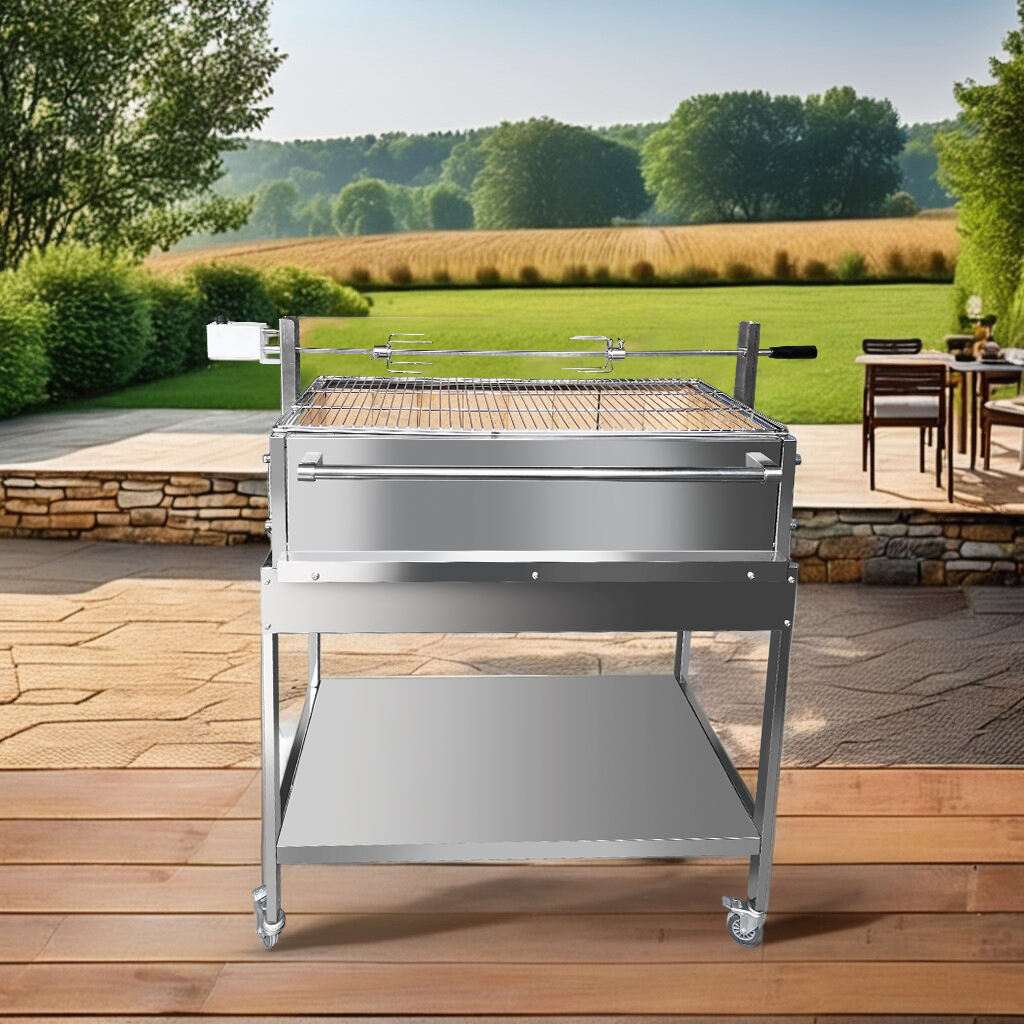
Choosing the right kebab machine for your restaurant or food service operation requires careful consideration of multiple factors including operating costs, cooking performance, and maintenance requirements. Whether you're running a busy street food cart or managing a high-volume restaurant kitchen, understanding the fundamental differences between electric and gas-powered kebab machines will help you make an informed decision that aligns with your business needs and operational constraints.
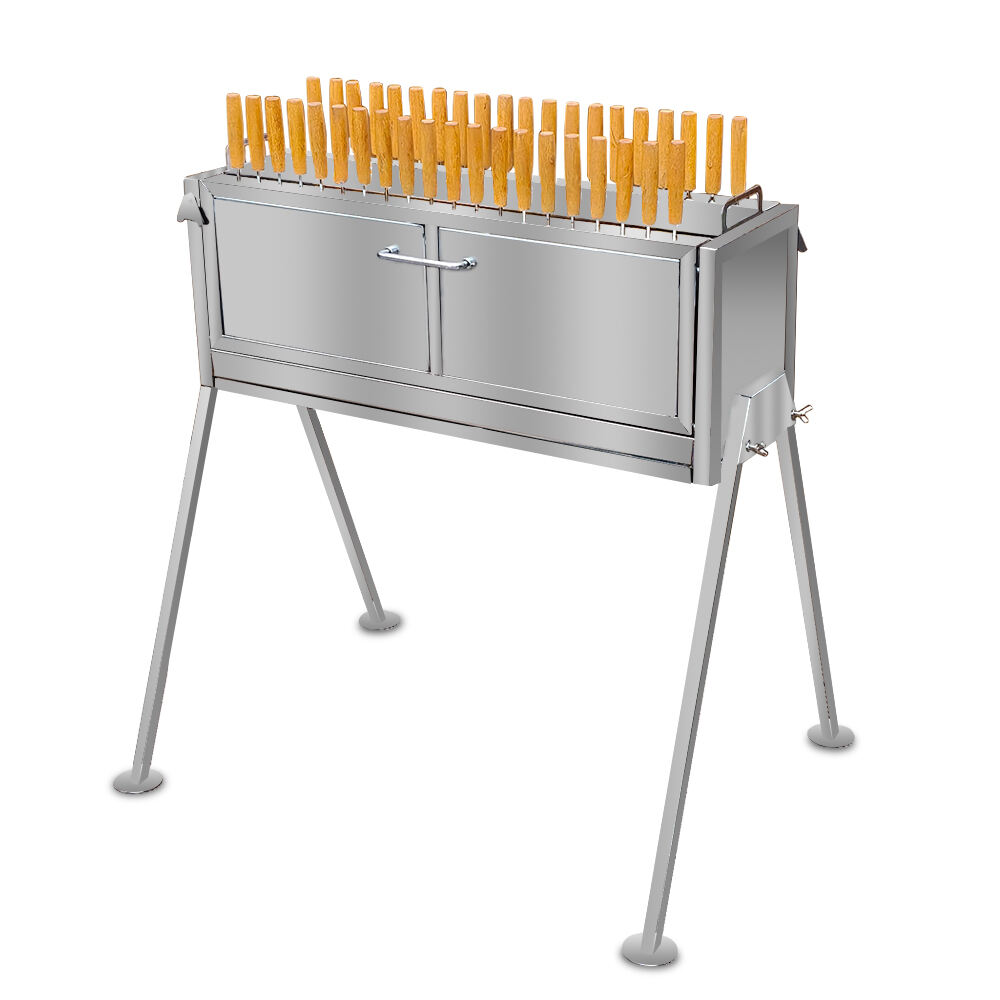
Power Source Analysis and Operating Costs
Electric Kebab Machine Advantages
Electric kebab machines offer several compelling advantages that make them attractive to many food service operators. The primary benefit lies in their consistent temperature control and precise heat distribution across the cooking surface. Unlike gas units that can experience temperature fluctuations based on gas pressure variations, electric models maintain steady operating temperatures throughout the cooking cycle.
From an operational standpoint, electric units typically require less maintenance than their gas counterparts. There are no gas lines to inspect, no burner adjustments needed, and fewer moving parts that can malfunction over time. This reliability translates into reduced downtime and lower long-term maintenance costs for busy commercial kitchens.
Installation costs for electric kebab machines are generally lower since they only require a dedicated electrical circuit rather than gas line installation and ventilation modifications. Many establishments find this particularly advantageous when retrofitting existing kitchen spaces or operating in locations where gas connections are not readily available.
Gas Kebab Machine Benefits
Gas-powered kebab machines excel in high-volume cooking scenarios where rapid heat generation is essential. Natural gas and propane units can reach operating temperatures significantly faster than electric models, making them ideal for establishments that experience sudden rushes or need to prepare large quantities of food quickly.
The operating cost advantage of gas units becomes particularly pronounced in regions where natural gas prices are substantially lower than electricity rates. Many commercial operators report 30-50% lower energy costs when using gas-powered equipment compared to electric alternatives, especially during peak cooking periods.
Gas kebab machines also provide superior heat intensity, which many chefs prefer for achieving authentic Mediterranean and Middle Eastern cooking results. The direct flame contact creates distinctive flavor profiles that are difficult to replicate with electric heating elements, making gas units popular among establishments focused on traditional cooking methods.
Performance and Cooking Quality Comparison
Heat Distribution Patterns
Understanding how different kebab machine types distribute heat across the cooking surface is crucial for achieving consistent results. Electric models typically feature multiple heating zones that can be controlled independently, allowing operators to maintain different temperature areas for various cooking stages. This zoned approach works particularly well for establishments serving multiple kebab varieties simultaneously.
Gas-powered units generate more intense radiant heat that penetrates deeper into the meat, creating the characteristic searing effect that many customers associate with authentic kebab preparation. However, this intense heat requires more skill to manage effectively and can lead to uneven cooking if not properly monitored.
The thermal mass characteristics also differ significantly between electric and gas kebab machines. Electric units tend to retain heat longer after being turned off, which can be advantageous for holding food at serving temperature but may complicate cleaning procedures. Gas units cool down more rapidly, facilitating faster turnaround between cooking cycles.
Cooking Speed and Efficiency
When evaluating cooking speed, gas kebab machines generally outperform electric models in terms of initial heat-up time and maximum temperature achievement. A typical gas unit can reach full operating temperature within 10-15 minutes, while electric models may require 20-30 minutes to achieve comparable heat levels.
However, electric kebab machines often demonstrate superior energy efficiency during extended cooking periods. Once at operating temperature, electric units maintain consistent heat output with minimal energy fluctuation, while gas units may experience efficiency variations based on ambient conditions and gas pressure consistency.
The cooking capacity differences become apparent in high-volume operations where continuous production is essential. Gas units can typically handle larger batch sizes without significant temperature drops, while electric models may require longer recovery times between heavy cooking cycles.
Installation and Infrastructure Requirements
Electrical Installation Considerations
Installing an electric kebab machine requires careful evaluation of existing electrical infrastructure and capacity. Most commercial-grade units demand 220-240V connections with substantial amperage requirements, often necessitating dedicated circuit installation and electrical panel upgrades in older facilities.
The electrical load calculations become particularly important when multiple pieces of electric cooking equipment operate simultaneously. Kitchen managers must ensure adequate electrical capacity to prevent circuit overloads and potential equipment damage during peak operating periods.
Ventilation requirements for electric units are typically less stringent than gas alternatives, as they produce no combustion byproducts. However, adequate exhaust systems remain necessary to manage cooking vapors and maintain comfortable working conditions for kitchen staff.
Gas Infrastructure and Safety Requirements
Gas kebab machine installation involves more complex infrastructure requirements including gas line sizing, pressure regulation, and comprehensive safety systems. Professional installation by certified gas technicians is mandatory in most jurisdictions, adding to initial setup costs but ensuring compliance with safety regulations.
Safety considerations for gas units extend beyond installation to include regular inspections, leak detection systems, and emergency shutoff procedures. Kitchen staff require proper training on gas safety protocols and emergency response procedures to maintain safe operating conditions.
Ventilation systems for gas-powered equipment must meet more stringent requirements to effectively remove combustion products and prevent carbon monoxide accumulation. This often requires larger exhaust fans and more sophisticated air handling systems compared to electric equipment installations.
Maintenance and Operational Considerations
Routine Maintenance Requirements
Electric kebab machines generally require less frequent maintenance intervention compared to gas models. The absence of combustion components eliminates the need for burner cleaning, gas line inspections, and flame adjustment procedures. Regular maintenance typically focuses on heating element inspection, electrical connection checks, and control system calibration.
Cleaning procedures for electric units are often more straightforward since there are no gas ports or flame sensors that require specialized cleaning techniques. However, electric heating elements can accumulate grease and food residue that requires careful cleaning to maintain optimal heat transfer efficiency.
Gas kebab machines demand more comprehensive maintenance schedules including regular burner cleaning, gas line pressure testing, and safety system verification. These maintenance requirements typically necessitate professional service visits at least twice annually, adding to operational costs but ensuring safe and efficient operation.
Troubleshooting and Repair Considerations
When technical issues arise, electric kebab machines often provide more straightforward diagnostic procedures. Most problems relate to electrical components that can be tested with standard multimeters and replaced without specialized gas handling expertise.
Gas unit troubleshooting requires technicians with gas appliance certification and specialized testing equipment. Repair procedures may involve gas system isolation, pressure testing, and safety verification steps that extend repair timeframes and increase service costs.
Parts availability and replacement costs can vary significantly between electric and gas models. Electric components are often more standardized and readily available, while gas-specific parts may require longer lead times and higher costs due to safety certification requirements.
Cost-Benefit Analysis for Different Business Models
Initial Investment Comparison
The upfront costs for kebab machine equipment vary considerably based on capacity, features, and power source. Electric units typically carry higher initial purchase prices due to sophisticated heating elements and control systems, while gas models may cost less upfront but require substantial installation investments.
When calculating total initial investment, electric installations often prove more economical in locations with existing adequate electrical service. However, establishments requiring electrical upgrades may find the total project costs comparable to gas installations including professional gas line installation and safety system implementation.
Equipment financing options may differ between electric and gas units, with some lenders offering more favorable terms for electric equipment due to lower perceived operational risks and more predictable maintenance costs.
Long-Term Operating Economics
Analyzing long-term operational costs requires careful consideration of local utility rates, equipment efficiency ratings, and maintenance requirements over the equipment's expected lifespan. Electric kebab machines typically demonstrate more predictable operating costs with stable electricity rates, while gas units may experience cost volatility based on natural gas market fluctuations.
Energy efficiency ratings significantly impact long-term costs, with modern electric units often achieving superior efficiency percentages compared to gas alternatives. However, the lower cost per BTU of natural gas in many regions can offset efficiency advantages, making gas units more economical for high-volume operations.
Insurance and regulatory compliance costs may also differ between power sources. Gas equipment typically requires more comprehensive insurance coverage and regulatory inspections, adding to operational expenses that should be factored into total cost calculations.
FAQ
Which type of kebab machine heats up faster for busy restaurants?
Gas kebab machines typically heat up significantly faster than electric models, reaching operating temperature in 10-15 minutes compared to 20-30 minutes for electric units. This makes gas units better suited for restaurants with unpredictable rush periods or establishments that need to start cooking quickly during peak hours. However, electric models maintain more consistent temperatures once heated.
Are electric kebab machines more expensive to operate than gas models?
Operating costs depend heavily on local utility rates in your area. In regions where natural gas is significantly cheaper than electricity, gas kebab machines can cost 30-50% less to operate. However, electric units are generally more energy efficient and have lower maintenance costs, which can offset higher energy rates in some markets. Calculate both energy and maintenance costs for accurate comparison.
What safety considerations should I know about gas kebab machines?
Gas kebab machines require professional installation, regular safety inspections, and proper ventilation systems to prevent carbon monoxide buildup. Staff must be trained on gas safety procedures, emergency shutoffs, and leak detection. Most jurisdictions mandate annual inspections and certification for commercial gas equipment. Electric units have fewer safety requirements but still need proper electrical installation and grounding.
How do maintenance requirements differ between electric and gas kebab machines?
Electric kebab machines typically require less frequent professional maintenance, focusing mainly on heating element inspection and electrical system checks. Gas units need more comprehensive maintenance including burner cleaning, gas line pressure testing, and safety system verification at least twice yearly. While electric units may have higher repair costs for electronic components, gas units require certified technicians for most service work.