
 EN
EN
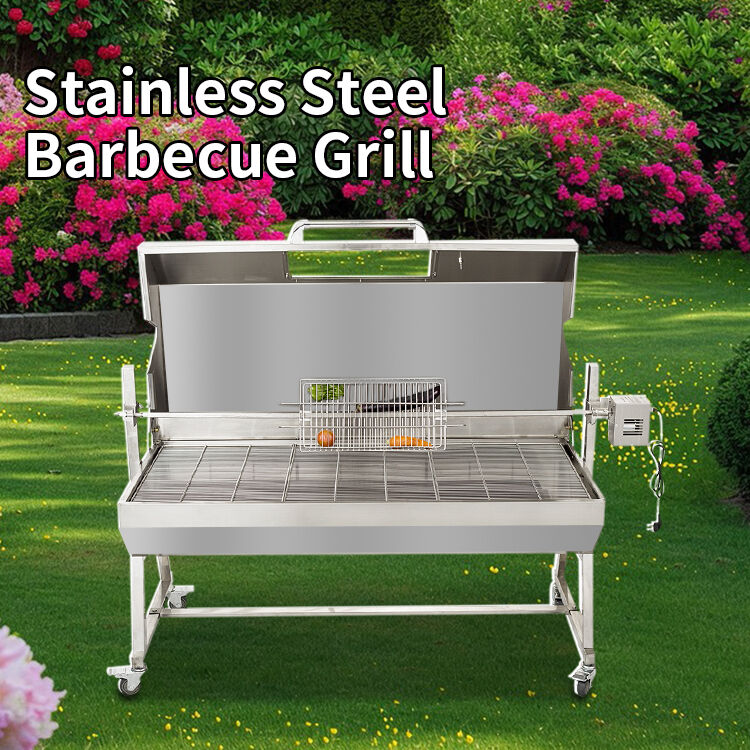
The authentic Argentine grilling experience represents centuries of culinary tradition, where the art of asado transforms ordinary cuts of meat into extraordinary feasts. Understanding how to properly utilize an argentine bbq grill opens up a world of flavors that goes far beyond typical backyard barbecuing. This comprehensive guide will walk you through the essential techniques, setup procedures, and cooking methods that will elevate your grilling game to professional levels. Whether you're a seasoned griller or just beginning your journey into South American cuisine, mastering the argentine bbq grill requires patience, practice, and a deep appreciation for the slow-cooking process that defines this remarkable cooking style.
Understanding the Argentine BBQ Grill Design and Structure
Essential Components of Traditional Argentine Grills
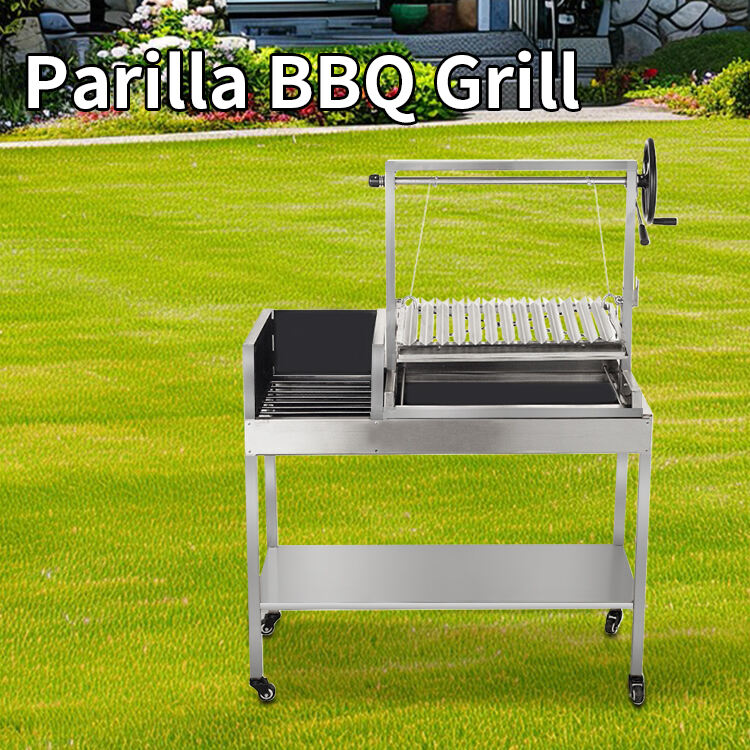
The traditional argentine bbq grill features a distinctive V-shaped firebox that creates the perfect environment for cooking with wood and charcoal. This design allows for optimal heat distribution while providing multiple cooking zones at different temperatures. The adjustable grill grates can be raised or lowered to control the cooking intensity, giving you precise control over the final results. Most authentic models include a side brasero where you can maintain a constant supply of hot coals, ensuring consistent temperature throughout extended cooking sessions.
The construction materials play a crucial role in heat retention and durability. High-quality argentine bbq grill models utilize thick steel plates that absorb and radiate heat evenly across the cooking surface. The chimney system is strategically positioned to create proper airflow without causing excessive heat loss. Understanding these fundamental design elements helps you make informed decisions when selecting the right grill for your needs and budget constraints.
Optimal Size and Capacity Considerations
Choosing the appropriate size for your argentine bbq grill depends on your typical cooking requirements and available space. Smaller residential models typically accommodate 8-12 people comfortably, while larger commercial-grade units can handle gatherings of 30 or more guests. The cooking surface area directly impacts your ability to prepare multiple cuts simultaneously at different temperature zones. Consider not only the main grilling area but also any additional warming racks or side shelves that enhance functionality.
Installation requirements vary significantly based on the grill size and design complexity. Portable models offer flexibility for different outdoor spaces, while permanent installations provide superior heat retention and cooking capacity. The weight and structural support needed for larger argentine bbq grill units require careful planning during the setup phase to ensure safety and optimal performance.
Fuel Selection and Fire Management Techniques
Choosing the Right Wood and Charcoal Combinations
Authentic Argentine grilling relies heavily on hardwood selection to impart distinctive flavors into the meat. Oak, hickory, and fruitwoods like apple or cherry create different flavor profiles that complement various cuts of beef, pork, and lamb. The moisture content of your wood significantly affects burn rate and smoke production, with properly seasoned wood producing clean, flavorful smoke rather than bitter creosote. Combining different wood types throughout the cooking process allows you to layer complex flavors that enhance the natural taste of high-quality meats.
Charcoal serves as the primary heat source in most argentine bbq grill setups, providing consistent temperature control over extended periods. Lump charcoal burns hotter and cleaner than briquettes, making it the preferred choice for serious asado enthusiasts. The ratio of wood to charcoal depends on the desired flavor intensity and cooking duration, with longer sessions requiring more charcoal for sustained heat production.
Temperature Control and Zone Management
Mastering temperature control separates amateur grillers from true asado experts when working with an argentine bbq grill. Creating distinct temperature zones allows you to cook different cuts simultaneously while ensuring optimal results for each piece. The hottest zone near the fire handles initial searing, while cooler areas provide gentle finishing temperatures for larger roasts and whole chickens.
Monitoring internal temperatures requires both experience and reliable thermometers to achieve consistent results. Understanding how different factors like wind, ambient temperature, and fuel consumption affect your grill's performance helps you make real-time adjustments throughout the cooking process. Developing this intuitive understanding takes practice but dramatically improves your ability to produce restaurant-quality results at home.
Essential Preparation and Setup Procedures
Pre-Cooking Grill Preparation Steps
Proper preparation of your argentine bbq grill begins several hours before you plan to start cooking. Cleaning the grill grates removes residual flavors from previous sessions and prevents unwanted taste transfer to your current meal. Checking all mechanical components, including the grate adjustment mechanism and damper controls, ensures smooth operation during the critical cooking phases when adjustments need to be made quickly.
Building the initial fire requires patience and attention to detail to establish the proper coal bed foundation. Starting with smaller kindling and gradually adding larger pieces creates a stable base that will support hours of consistent cooking. The coal bed should be established at least 45 minutes before placing any food on the grill, allowing sufficient time for the flames to die down and create the even heat distribution that characterizes excellent Argentine grilling.
Meat Selection and Preparation Techniques
Selecting appropriate cuts for your argentine bbq grill involves understanding how different proteins respond to slow, indirect cooking methods. Traditional cuts like short ribs, flank steak, and whole chickens benefit from the gentle heat and smoke exposure that this cooking style provides. The quality of your ingredients directly impacts the final results, making it worthwhile to source high-grade meats from reputable suppliers who understand the requirements for extended cooking processes.
Preparation techniques vary based on the specific cuts and desired flavor profiles. Simple salt seasoning applied several hours before cooking allows the meat to develop deeper flavors while maintaining the natural taste that makes Argentine beef famous worldwide. More complex marinades and rubs can enhance certain cuts, but the goal should always be to complement rather than mask the inherent quality of excellent ingredients.
Advanced Cooking Techniques and Methods
Mastering the Art of Slow Cooking
The cornerstone of authentic Argentine grilling lies in patience and low-temperature cooking that allows tough connective tissues to break down gradually. This process requires maintaining consistent temperatures between 225-275°F for extended periods, often lasting 4-6 hours for larger cuts. The argentine bbq grill design facilitates this approach through its adjustable grate system and efficient heat retention properties.
Understanding how different cuts respond to slow cooking helps you plan your cooking timeline effectively. Tougher cuts with more connective tissue benefit from longer exposure to gentle heat, while more tender pieces require careful monitoring to avoid overcooking. Developing the ability to judge doneness through visual cues and touch, rather than relying solely on timers, represents a crucial skill in mastering this traditional cooking method.
Achieving Perfect Char and Crust Development
Creating the signature crust that characterizes expertly grilled Argentine beef requires understanding the Maillard reaction and how to control it effectively. High-heat searing at the beginning or end of the cooking process develops complex flavors and appealing textures that enhance the overall eating experience. The timing of this crucial step depends on the specific cut and desired final presentation.
Balancing char development with proper internal cooking requires experience and careful attention to both visual cues and internal temperature readings. Too much char can create bitter flavors, while insufficient browning results in less complex taste profiles. Finding this balance becomes intuitive with practice and represents one of the most rewarding aspects of mastering the argentine bbq grill cooking style.
Maintenance and Care for Long-term Performance
Regular Cleaning and Upkeep Protocols
Maintaining your argentine bbq grill in optimal condition requires consistent attention to cleaning and preventive maintenance procedures. After each use, removing ash and debris prevents corrosion and ensures proper airflow for future cooking sessions. The grill grates should be cleaned while still warm to remove food particles and grease buildup that can affect flavor and create hotspots during subsequent use.
Seasonal maintenance includes inspecting all moving parts, lubricating adjustment mechanisms, and checking for any signs of wear or damage that could affect performance or safety. Proper storage during harsh weather conditions extends the lifespan of your equipment and maintains its appearance over many years of regular use. Investing time in regular maintenance prevents costly repairs and ensures consistent cooking results.
Troubleshooting Common Issues
Common problems with argentine bbq grill operation often stem from improper fire management or inadequate cleaning procedures. Uneven heating typically indicates blocked air vents or accumulated ash interfering with proper airflow. Temperature control issues may result from damaged dampers or worn grate adjustment mechanisms that require repair or replacement.
Understanding how to diagnose and resolve these issues quickly minimizes disruption during important cooking sessions. Keeping basic tools and replacement parts readily available allows you to address minor problems before they become major obstacles to successful grilling. Developing troubleshooting skills enhances your confidence and ability to handle unexpected situations during extended cooking sessions.
FAQ
What is the ideal temperature range for cooking on an argentine bbq grill
The optimal temperature range for most cuts on an argentine bbq grill falls between 225-300°F, depending on the specific protein and desired cooking method. Lower temperatures around 225-250°F work best for tougher cuts that require extended cooking times to break down connective tissues. Higher temperatures up to 300°F can be used for more tender cuts or when you need to reduce overall cooking time while still maintaining the slow-cooking principles that define Argentine grilling.
How long should I preheat my argentine bbq grill before cooking
Proper preheating of an argentine bbq grill typically requires 45-60 minutes to establish a stable coal bed and achieve consistent temperature distribution across the cooking surface. This extended preheating period allows the steel construction to absorb heat evenly, creating the thermal mass necessary for consistent cooking throughout long sessions. Rushing this process often results in uneven temperatures and suboptimal cooking results that don't reflect the true potential of this cooking method.
Can I use my argentine bbq grill in cold weather conditions
Argentine bbq grills perform well in cold weather conditions, though you may need to adjust your fuel consumption and cooking times accordingly. Cold ambient temperatures require more fuel to maintain optimal cooking temperatures, and wind can affect heat distribution and cooking consistency. Providing wind protection and allowing extra preheating time helps ensure successful results regardless of weather conditions, making it possible to enjoy authentic Argentine grilling year-round.
What types of wood work best with an argentine bbq grill for different meats
Hardwoods like oak, hickory, and mesquite provide excellent base flavors for most meats cooked on an argentine bbq grill, while fruitwoods like apple, cherry, and peach add subtle sweetness that complements pork and poultry. Beef typically pairs well with stronger woods like oak and hickory, while more delicate proteins benefit from milder options. Experimenting with different wood combinations allows you to develop signature flavor profiles that reflect your personal preferences and enhance the natural qualities of high-quality ingredients.