
 EN
EN
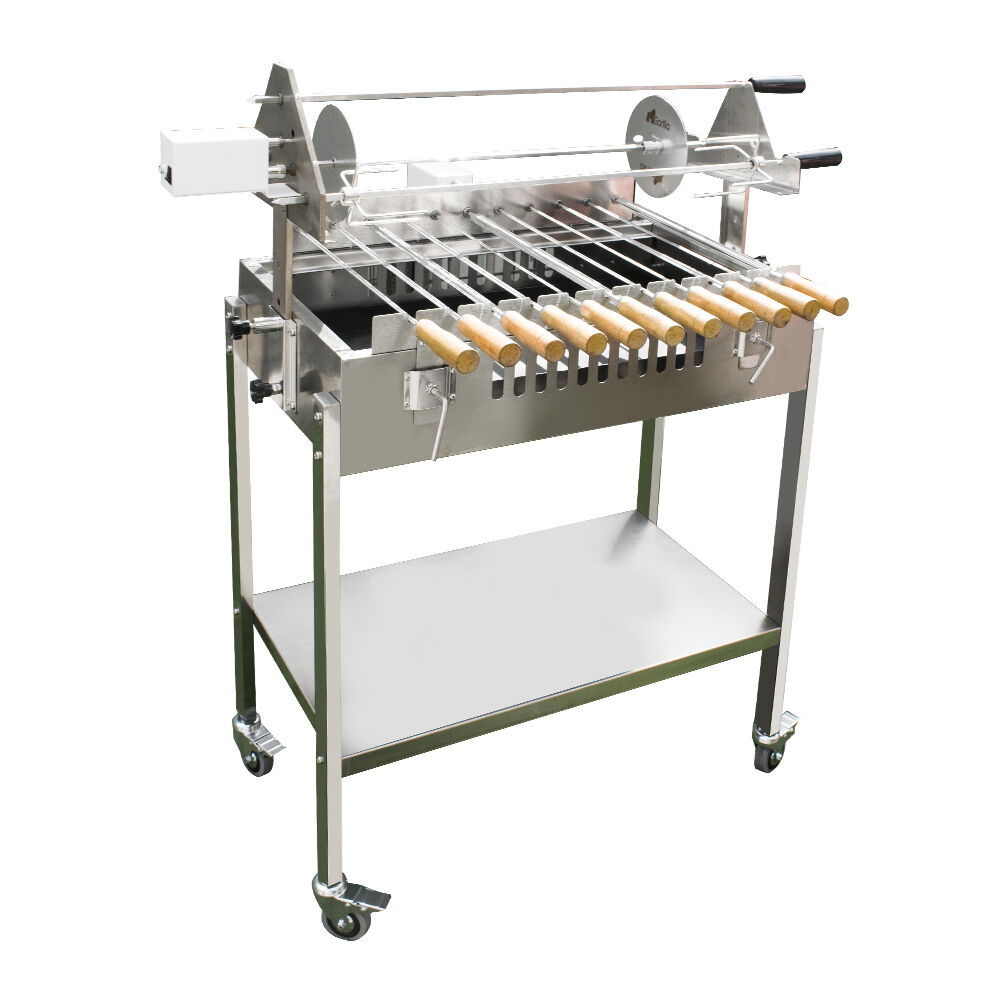
Prilikom planiranja savršene žaru, odabir prave opreme može napraviti ili uništiti vaše iskustvo kuhanja na otvorenom. Visokokvalitetni šnicla gril pretvara uobičajene sastojke u ukusne kebabove koji će impresionirati vaše goste i podići vašu igru grilovanja. Razumijevanje ključnih značajki, materijala i dizajnerskih elemenata različitih opcija špricera za roštilj pomaže vam donijeti informiranu odluku koja odgovara vašim specifičnim potrebama za kuhanjem i zabavnim stilom.
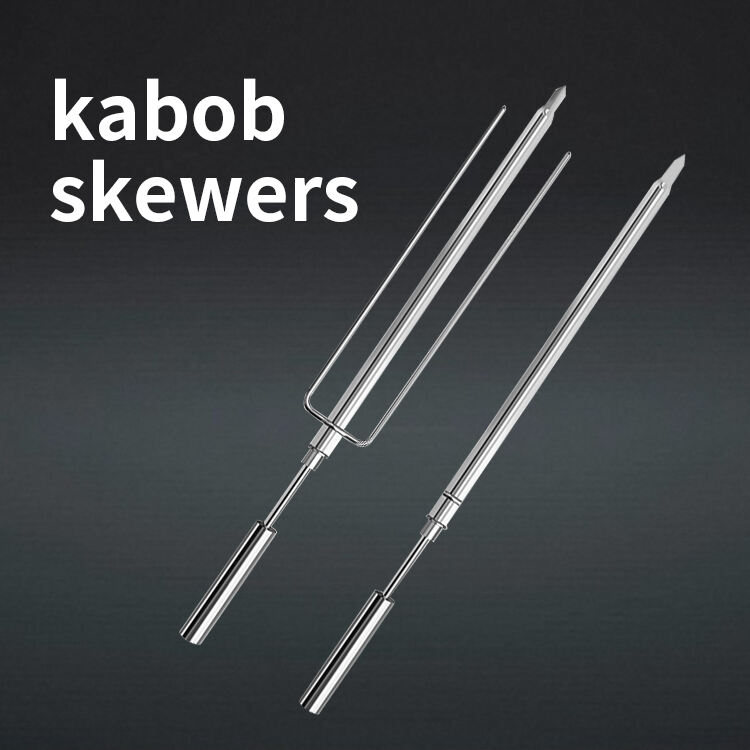
Raznovrsnost šnicla grilla proteže se daleko izvan jednostavnih kombinacija mesa i povrća. I profesionalni kuhari i domaći kuhari cijene kako ova metoda kuhanja omogućuje preciznu kontrolu porcija, ravnomjernu raspodjelu topline i kreativne mogućnosti prezentacije. Bilo da organizirate intimne okupljanja ili velike proslave na otvorenom, ispravna postavka šprica osigurava dosljedne rezultate i nezaboravne iskustva u kuhanju za sve uključene.
Osnovne značajke kvalitetnih žarača
Tehnologija distribucije toplote
Vrhunska raspodjela toplote ostaje temelj iznimnih performansi šnicla. U vrhunskim modelima uključeni su napredni elementi grijanja ili pažljivo osmišljeni sistemi rešetaka koji uklanjaju vruće točke i osiguravaju jednako kuhanje na cijeloj površini roštilja. Ova konzistencija sprječava da neki šprici prekuhaju, dok drugi ostaju nedovoljno kuhani, što svaki put dovodi do savršeno pripremljene hrane.
Moderni dizajn špajzer grilla često ima podešavajuće zone topline koje omogućuju istovremeno kuhanje različitih sastojaka na različitim temperaturama. Ova se funkcija pokazala neprocjenjivom prilikom pripreme različitih pojedinačnih jela za koje su potrebni posebni uvjeti kuhanja. Sposobnost da se temperature kontroliraju samostalno povećava učinkovitost i smanjuje ukupno vrijeme kuhanja tijekom zauzetih zabavnih razdoblja.
Standardi izgradnje materijala
Građevinski materijali direktno utječu na izdržljivost, zadržavanje toplote i potrebe održavanja vašeg štapnog roštilja. Komponente od nehrđajućeg čelika otporne su na koroziju i održavaju svoj izgled kroz bezbrojku kuhanja, dok elementi od lite željeze pružaju superiornu zadržavanje toplote za dosljednu kontrolu temperature. Visokokvalitetni materijali osiguravaju da vaša investicija izdrži redovnu upotrebu i izlaganje vremenskim uvjetima.
Proizvođači kvalitetnih žarnica za štapove daju prednost materijalima bezbednim za hranu i netoksičnim premazima koji održavaju svoj integritet pod visokim temperaturama. Ove specifikacije postaju posebno važne pri pripremanju hrane za članove obitelji s alergijama ili osjetljivim na prehrambene prehrambene probleme. Ulaganje u ispravno certificirane materijale štiti i vaše zdravlje i dugotrajnost opreme.
Razmatranja veličine i kapaciteta
Određivanje potreba za prostorom
Točan planiranje prostora osigurava vaš špic grill integrirati besprekorno u vaš vanjski kuhinjski prostor bez preopterećivanja raspoloživi prostor. Mjerenje određene zone za grijanje, uključujući zahtjeve za sigurnu radnu površinu, sprečava skupe pogreške i osigurava usklađenost s lokalnim propisima o sigurnosti. Prilikom procjene različitih veličina treba uzeti u obzir potrebe za skladištenjem i aktivni prostor za kuhanje.
Odnos između veličine roštilja i kapaciteta kuhanja utječe na vašu sposobnost da efikasno poslužite veće grupe. U odgovarajućoj veličini, grijel može primiti broj gostiju, a pruža fleksibilnost za povremena veća okupljanja. Ravnoteža između ograničenja veličine i zahtjeva za kapacitet kuhanja pomaže u utvrđivanju optimalnog rješenja za vaše posebne potrebe zabave.
Planiranje broja gostiju
Računavanje odgovarajućeg kapaciteta žaru zahtijeva razumijevanje tipičnih zabavnih obrazaca i želja gostiju. Većina odraslih konzumira otprilike tri do četiri srednjovječne štapove tijekom glavnog obroka, iako varijacije apetita i raznolikost menija mogu značajno utjecati na ove procjene. Planiranje za malo veći kapacitet od prosječnih potreba pruža fleksibilnost za posebne prilike.
Profesionalni organizatori događaja preporučuju odabir špicnog roštilja koji može nositi 25% više kapaciteta od standardnih zahtjeva. Ovaj tampon je odgovoran za neočekivane goste, povećan apetit i želju da se istovremeno pripreme više vrsta špicera. Odgovarajući kapacitet sprečava žurno kuhanje i osigurava opušteno iskustvo ugostiteljstva.
Uputstvo za odabir vrste goriva
Prednosti plinske energije
Modeli s gasnim pogonom nude bez premca udobnost i preciznu kontrolu temperature koja privlači i početnike i iskusne majstore roštilja. Uvođenje u vatru odmah eliminira vrijeme čekanja koje je povezano s pripremom ugljena, omogućavajući spontano kuhanje i precizno upravljanje vremenskim uvjetima. Nastavljanje plamena omogućuje dosljednu razinu toplote koja pojednostavljuje kuhanje složenih kombinacija štapova.
U skladu s člankom 3. stavkom 1. točkom (a) Uredbe (EZ) br. 765/2008 Komisija je odlučila da se za proizvod koji je pod uvjetom da je proizvođač proizveo gorivo iz drugih izvora, primjenjuje sljedeći postupak: U skladu s člankom 3. stavkom 2. stavkom 2. Ova jednostavnost privlači zaposlene osobe koje žele pouzdan rad na roštilju bez velikih troškova održavanja.
Povećanje okusa ugljena
Opcije za grijanje na škrilju na ugljen pružaju autentičan miris dima koji mnogi entuzijasti grilla smatraju nezamjenljivim. Visoka toplinska snaga i infuzija prirodnog drveta stvaraju karakteristične okuse koje alternativne plinske vrste teško mogu ponoviti. Ova prednost ukusa čini modele od ugljena posebno popularnim među ozbiljnim ljubiteljima kuhinje na otvorenom i natjecateljima.
Ritual i razvoj vještina povezani s pečenjem na uglju dodaju zanimljiv element iskustvu kuhanja na otvorenom. Upravljanje temperaturom vatre, razumijevanje smještaja ugljena i vrijeme paljenja postaju nagrađujuće vještine koje poboljšavaju vaše ukupno iskustvo u grilaju. Mnogi smatraju da je ovaj praktični pristup zadovoljniji od alternativa plina koji se usmjeravaju na praktičnost.
Sigurnosne značajke i propisi
Sustavi za praćenje temperature
Ugrađene mogućnosti za praćenje temperature pomažu u sprečavanju prekomjernog kuhanja i osiguravaju usklađenost s sigurnosnom hranom tijekom pripreme špicera. Digitalni termometri i temperaturni mjerili pružaju povratne informacije u stvarnom vremenu koje uklanjaju nagađanja u određivanju odgovarajuće temperature kuhanja. Ove osobine posebno su korisne pri pripremi štapova od piletine, svinjetine ili morskih plodova koji zahtijevaju određenu unutarnju temperaturu.
Napredni modeli špajzer grilla uključuju više senzora temperature koji istovremeno nadgledaju različite zone kuhanja. Ova tehnologija omogućuje preciznu kontrolu različitih sastojaka s različitim zahtjevima za kuhanje. Sposobnost praćenja višestruke temperature smanjuje rizik od bolesti koje se prenose hranom i poboljšava ukupnu konzistenciju kuhanja.
U skladu s člankom 4. stavkom 2.
Odgovarajući ventilacijski dizajn osigurava siguran rad i sprečava nakupljanje opasnih plinova oko vašeg mjesta za grijanje. Odgovarajuća udaljenost od zapaljivih materijala, nadzemnih konstrukcija i susjednih linija na imanju je u skladu s lokalnim požarnim propisima i zahtjevima osiguranja. Razumijevanje tih specifikacija prije ugradnje spriječava skupe izmjene i potencijalne opasnosti za sigurnost.
Profesionalno vodstvo za instalaciju pomaže osigurati da postavka vaše špicne roštilje ispunjava sve važeće sigurnosne standarde uz maksimalan učinak. U mnogim općinama za stalne uvjete za kuhanje na otvorenom zahtijevaju se dozvole, što čini stručnu savjetovanje vrijednim za izbjegavanje regulatornih komplikacija. Ulaganje u pravilnu instalaciju štiti vašu investiciju i osigurava siguran rad u godinama koje dolaze.
Održavanje i faktori trajnosti
Protokoli za čišćenje i održavanje
Uspostavljanje redovnih rutinskih čistača značajno produžava radni vijek vaše roštilje za špicar, a istovremeno održava optimalne performanse kuhanja. Nakon kuhanja potrebno je ukloniti ostatke hrane, očistiti rešetke i provjeriti ključne dijelove kako bi se utvrdilo jesu li se oštećili ili su se pokvarili. Ti jednostavni koraci sprečavaju nakupljanje koji može utjecati na okus, stvoriti opasnosti za sigurnost ili oštetiti skupe komponente.
Postupak održavanja tijekom sezone uključuje duboko čišćenje, podmazivanje dijelova i zaštitno pokrivanje tijekom dužeg razdoblja skladištenja. Pravilno skladištenje tijekom zime štiti vaše tijelo od bolesti. roštilj na štapićima u skladu s člankom 3. stavkom 2. Slijedenje smjernica proizvođača o održavanju održava garanciju i maksimizira dugotrajnost opreme.
Planiranje zamjene komponenti
Razumijevanje koje komponente obično zahtijevaju zamjenu pomaže proračunu za tekuće troškove vlasništva žaru za špic. U slučaju da se ne primjenjuje, sustav za paljenje mora biti u skladu s postupkom primjene. Identifikacija ovlaštenih dobavljača dijelova i razumijevanje postupaka zamjene minimiziraju vrijeme zastoja tijekom vrhunske sezone pečenja.
U skladu s člankom 11. stavkom 1. točkom (a) Uredbe (EU) br. 528/2012 proizvođači grilnih ploča za štapove osiguravaju dostupnost dijelova i tehničku podršku tijekom cijelog životnog ciklusa proizvoda. Ova podrška postaje ključna pri rješavanju potreba za popravkom ili nadogradnjom određenih komponenti. Istraživanje reputacije proizvođača u pogledu dostupnosti dijelova i korisničke usluge pomaže osigurati dugoročno zadovoljstvo odlukom o kupnji.
Planiranje proračuna i procjena vrijednosti
Razmatranja početnih investicija
Postavljanje realnog proračuna za kupnju roštilja za šnicla zahtijeva uravnoteženje željenih značajki s dostupnim financijskim resursima. U tom slučaju, u skladu s člankom 3. stavkom 1. točkom (b) Uredbe (EU) br. 1290/2013 i člankom 4. stavkom 1. točkom (b) Uredbe (EU) br. 1290/2013 Komisija je utvrdila da je u skladu s člankom 3. stavkom 1. točkom (b) Uredbe (EU) br. 1290/2013 i Razumijevanje vaših specifičnih potreba pomaže vam da odredite odgovarajuću razinu ulaganja.
U tom se slučaju, ako se u skladu s člankom 2. stavkom 1. točkom (b) osnovne uredbe, u skladu s člankom 2. stavkom 1. točkom (c) osnovne uredbe, ne primjenjuje odredba o državnim potporama, ne primjenjuje se odredba o državnim potporama. Izračun tih dodatnih troškova pruža točniju sliku o stvarnom potrebnom ulaganju. Ovaj sveobuhvatan pristup pomaže u izbjegavanju iznenađenja u proračunu i osigurava održivo iskustvo vlasništva.
Analiza dugoročne vrijednosti
U slučaju da se u skladu s člankom 2. stavkom 1. točkom (b) Uredbe (EU) br. 1308/2013 utvrdi da je u skladu s tim člankom u skladu s tim člankom, u slučaju da se u skladu s tim člankom utvrdi da je u skladu s tim člankom u skladu s tim člankom, u slučaju da se u skladu s tim Modeli višeg kvaliteta obično nude bolju vrijednost kroz produženi vijek trajanja i vrhunski zadržavanje performansi. To je posebno važno za češće korisnike koji ovise o pouzdanom radu opreme.
Garancijski pokrivenost i podrška proizvođača značajno utječu na izračune dugoročne vrijednosti. Sveobuhvatne garancije štite od nedostataka i pružaju mir u srcu tijekom kritičnog razdoblja ranog vlasništva. Snaga podrške proizvođača osigurava pristup dijelovima, uslugama i tehničkoj pomoći tijekom cijelog životnog ciklusa proizvoda, povećavajući ukupno zadovoljstvo vlasnika.
Česta pitanja
Koja veličina šljunka grila trebam za tipične obiteljske okupljanja
Za obiteljska okupljanja od 6-8 osoba, štap na roštilju s površinom od 400-500 kvadratnih inča pruža adekvatan kapacitet. Ova veličina može istodobno primijeniti oko 20-25 standardnih štapova, što omogućuje raznolikost u izboru proteina i povrća. Kad odlučujete o optimalnoj veličini, razmislite o želji vaše obitelji i o tome želite li servirati štapove kao glavno jelo ili uz druge pečene namirnice.
Koliko često trebam čistiti svoj gril za optimalnu radnost
Čistite gril s štapom nakon svake 2-3 uporabe ili kad god se pojavi vidljiva nakupina na rešetkama i površinama za kuhanje. U razdoblju aktivnog pečenja treba mjesečno temeljito čišćenje, uključujući temeljito čišćenje plijesni, dijelova gorilja i unutarnjih površina. Redovito čišćenje sprečava kontaminaciju okusa, smanjuje rizik od paljenja i održava optimalno raspodjelu toplote po cijeloj površini kuhanja.
Mogu li koristiti drvene štapove na svim vrstama roštilja
Drveni štapovi djelotvorno rade na modelima za grijanje gasom, ugljenom i električnim štapovima kada su pravilno pripremljeni. Ako se drveni štapovi namoče u vodu 30-60 minuta prije upotrebe, spriječava se spaljivanje i produžava se vrijeme kuhanja. Međutim, metalni štapovi nude bolju izdržljivost i toplinsku provodljivost, što ih čini poželjnim za česte grijanje ili kuhanje na visokim temperaturama.
Koje mjere sigurnosti treba pratiti prilikom rada s grilom na špicerima
Uvijek držite odgovarajuću udaljenost od zapaljivih materijala, držite vatrogascu blizu i nikada ne ostavite gril bez nadzora tijekom rada. Redovito provjeravajte priključke plina na curenje, osiguravajte odgovarajuću ventilaciju i slijedite smjernice proizvođača za rasvjetu i isključivanje. Osim toga, koristite posuđe s dugim rukom kako biste se držali na sigurnom udaljenosti od izvora toplote i uvijek brzo očistite nakupljenu masnoću kako biste spriječili paljenje.