rotating grill
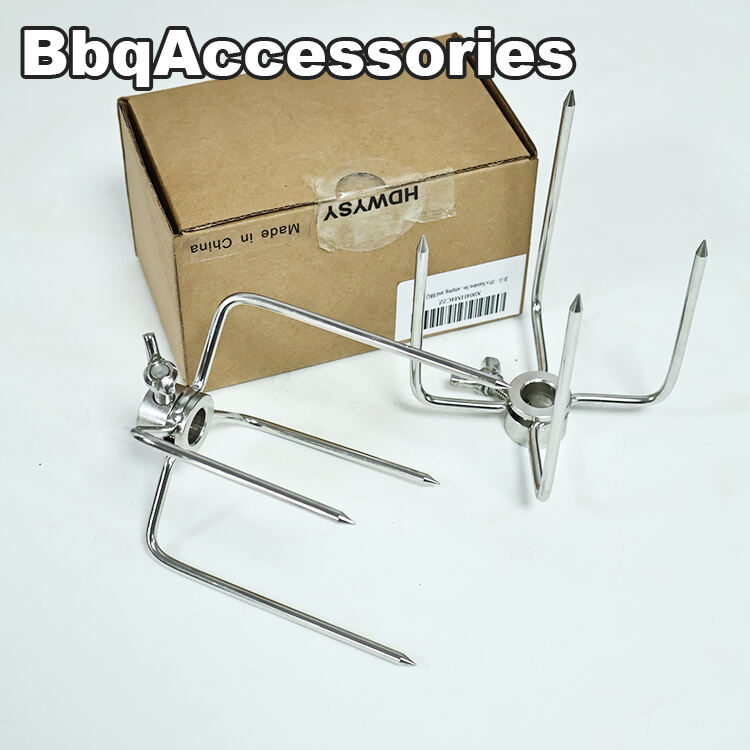
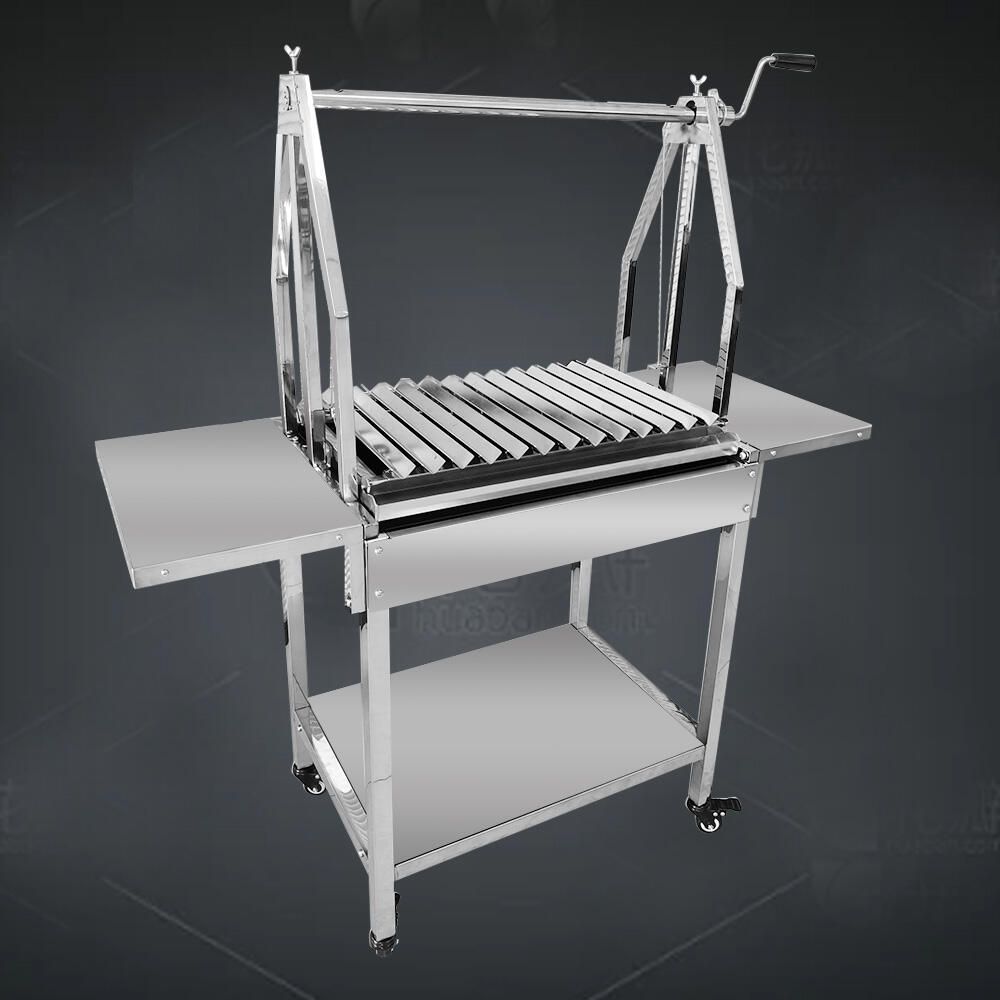
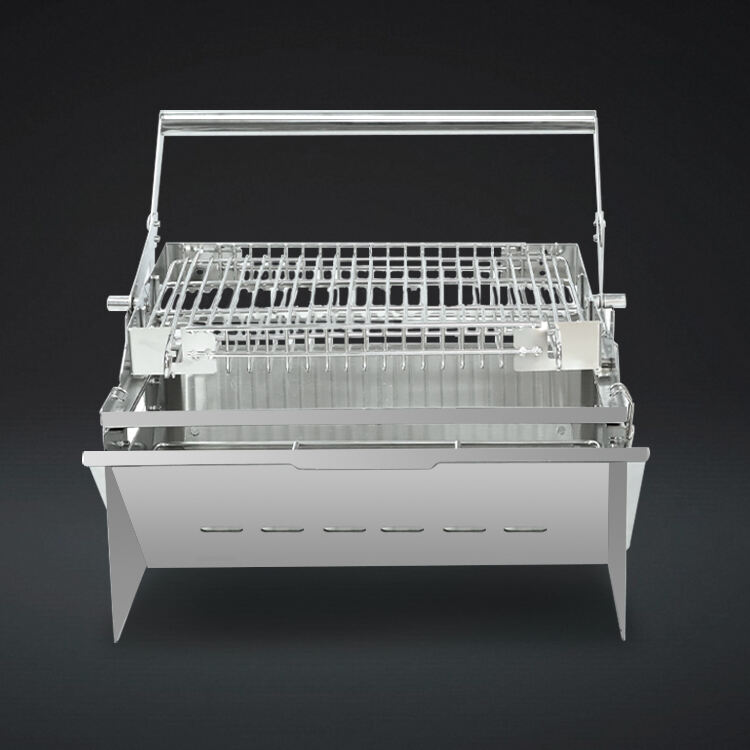
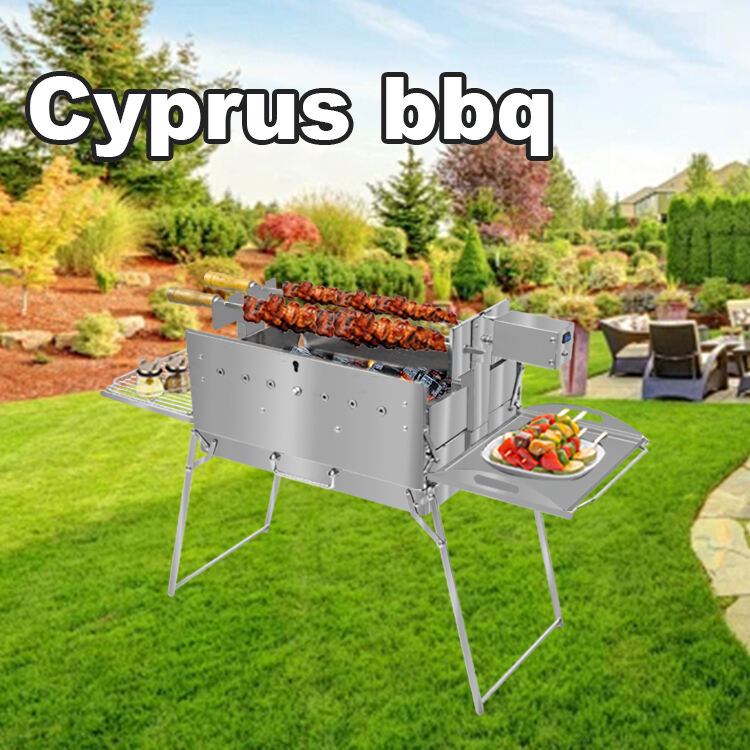
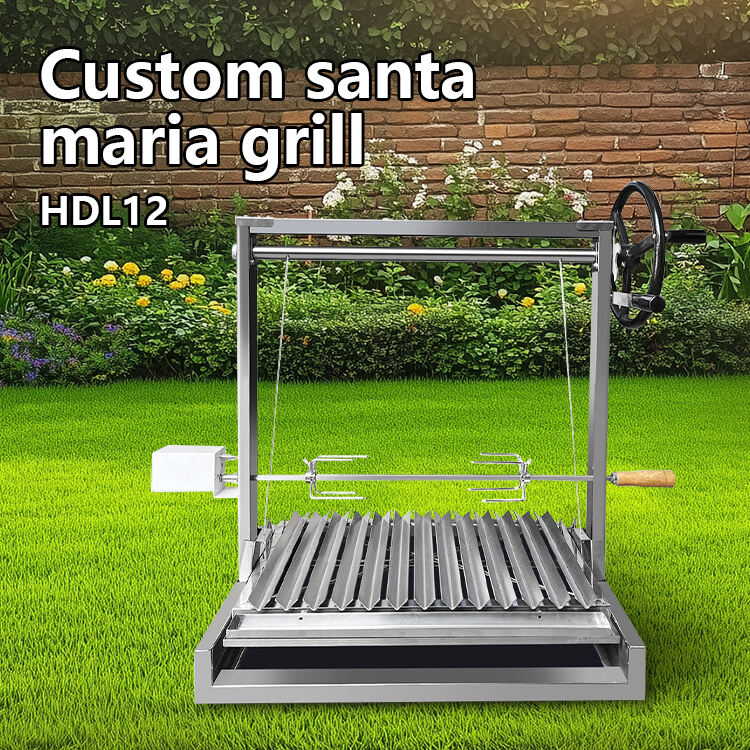
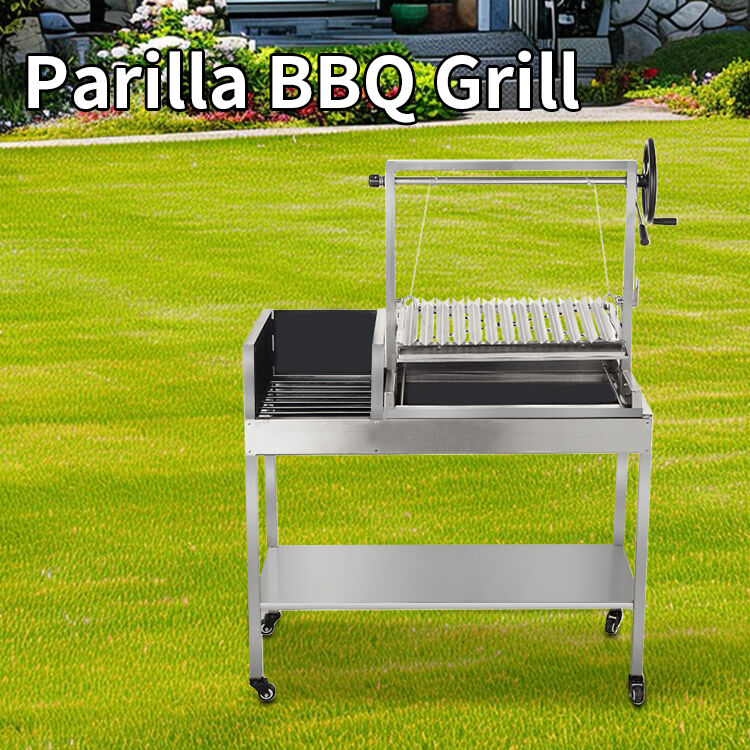
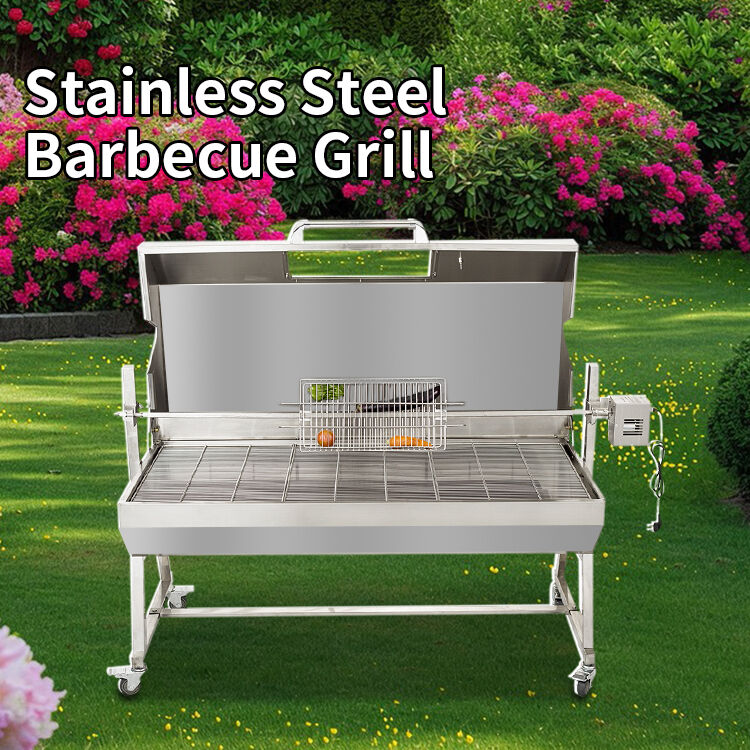
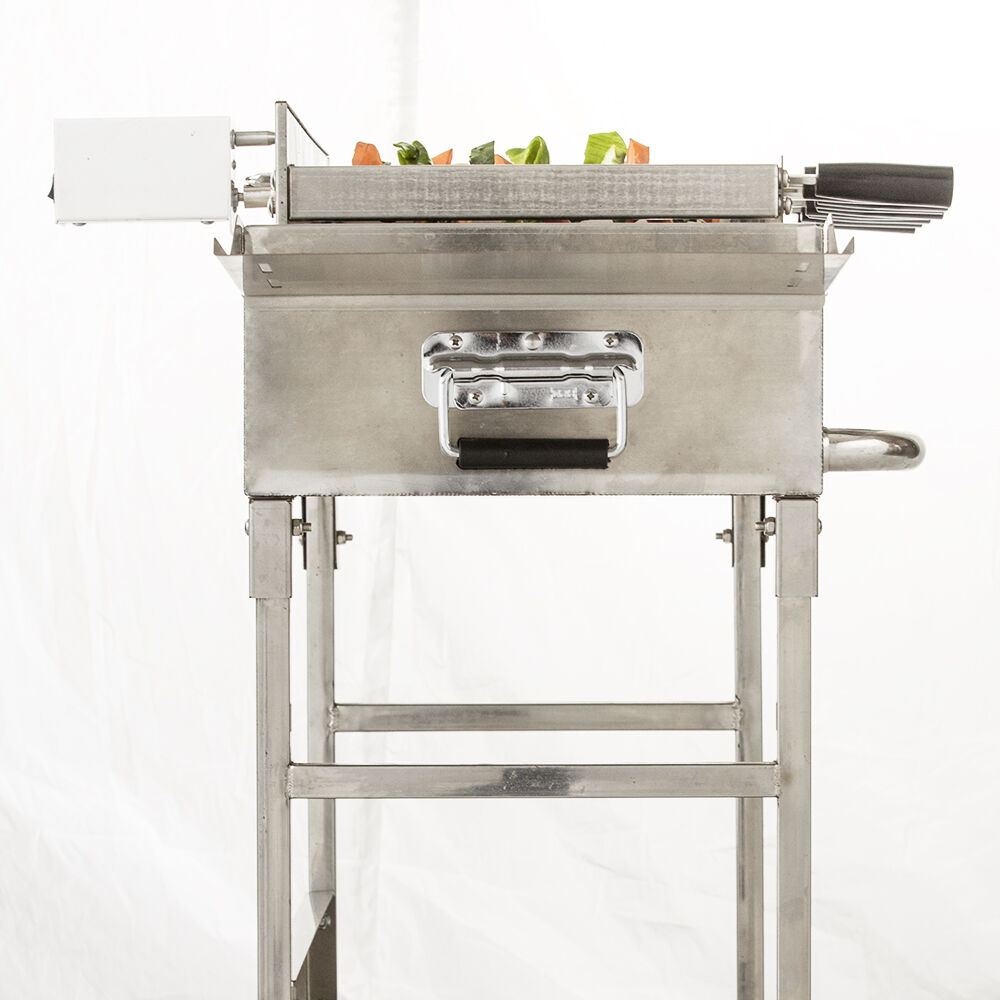
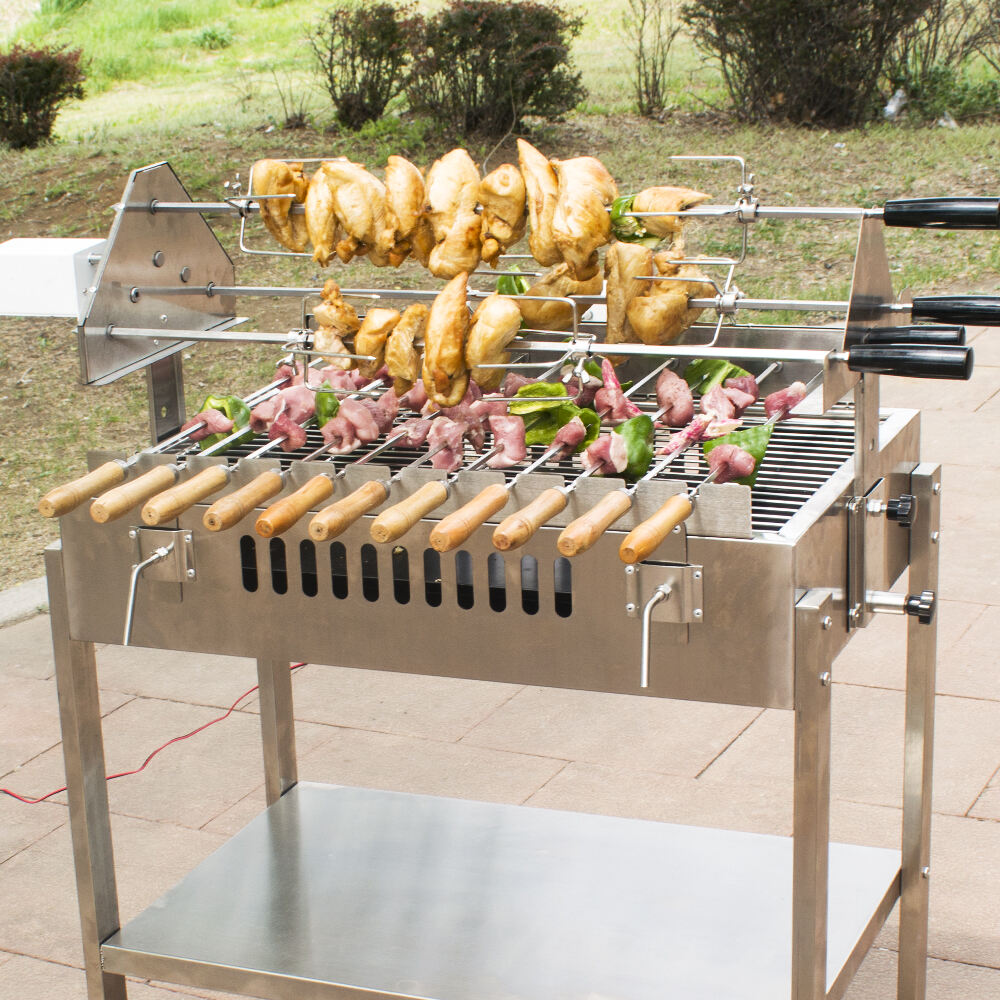
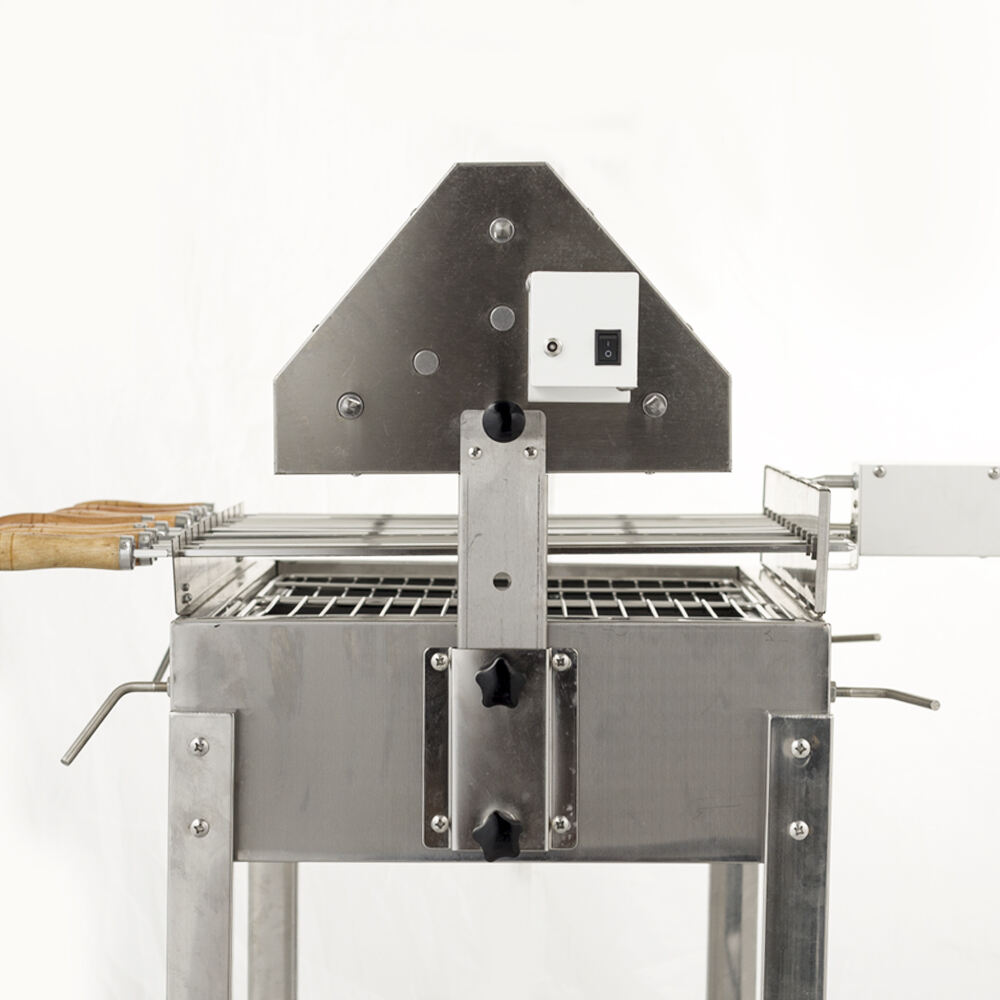
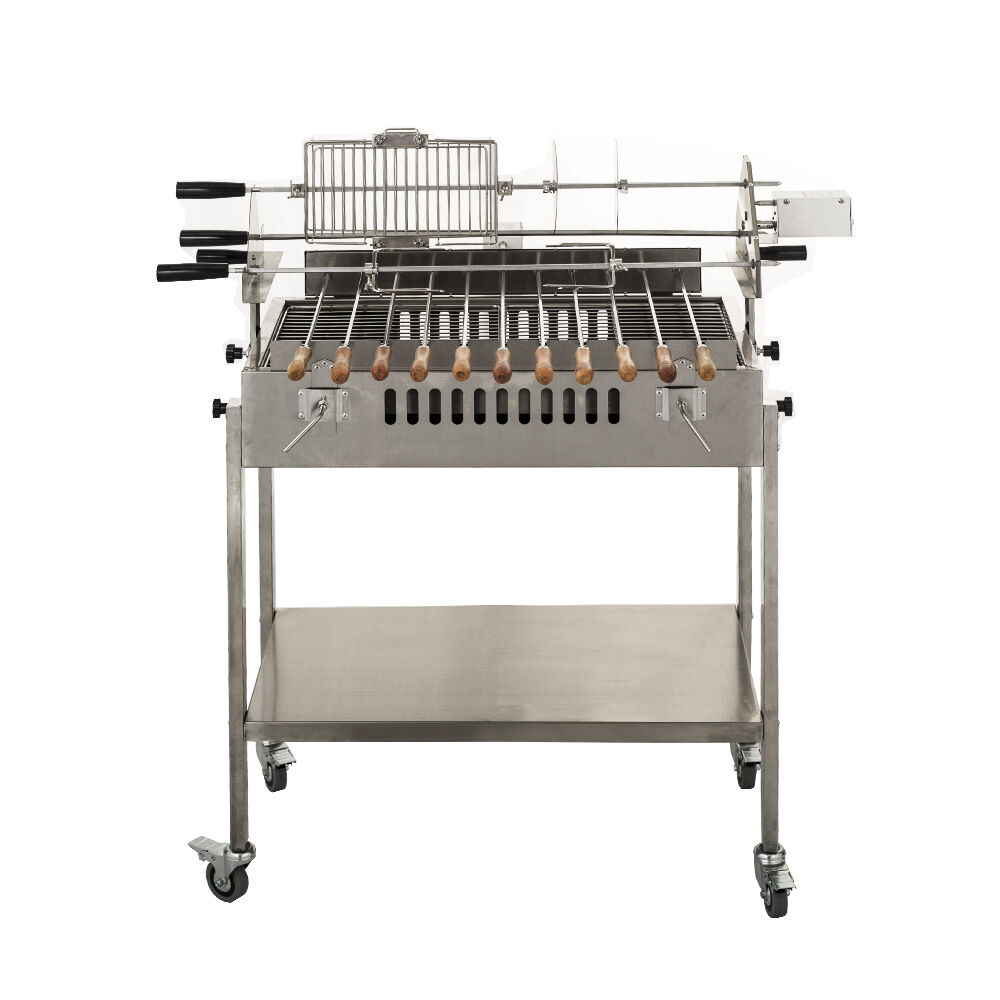
The rotating grill represents a revolutionary approach to outdoor cooking, combining traditional grilling methods with modern engineering innovation. This sophisticated cooking apparatus features a motorized rotation system that continuously turns food items during the cooking process, ensuring uniform heat distribution and consistent results. The rotating grill operates on the principle of rotisserie cooking, where meats, vegetables, and other foods rotate slowly over or around a heat source, creating an even cooking environment that eliminates hot spots and reduces the need for constant monitoring. The core functionality of a rotating grill centers around its electric or battery-powered motor system, which drives a series of gears and rotating spits or baskets. This automated rotation mechanism typically operates at adjustable speeds, allowing users to customize the cooking process based on the type of food being prepared. The heat source can vary depending on the model, with options including gas burners, electric heating elements, or traditional charcoal arrangements positioned strategically to maximize heat circulation around the rotating food items. Modern rotating grill designs incorporate advanced technological features such as digital temperature controls, programmable timers, and multiple cooking zones. Some high-end models include wireless connectivity options, enabling remote monitoring and control through smartphone applications. The construction materials typically feature stainless steel components for durability and heat resistance, with non-stick coatings on food contact surfaces to prevent sticking and facilitate easy cleaning. Applications for rotating grill technology span both residential and commercial environments. Home enthusiasts use these devices for backyard entertaining, holiday celebrations, and everyday meal preparation. The rotating grill excels at cooking whole chickens, roasts, kebabs, vegetables, and even delicate items like fish that benefit from gentle, consistent heat exposure. Commercial establishments, including restaurants, food trucks, and catering services, utilize larger capacity rotating grill systems to efficiently prepare multiple portions simultaneously while maintaining consistent quality standards across all servings.

 EN
EN